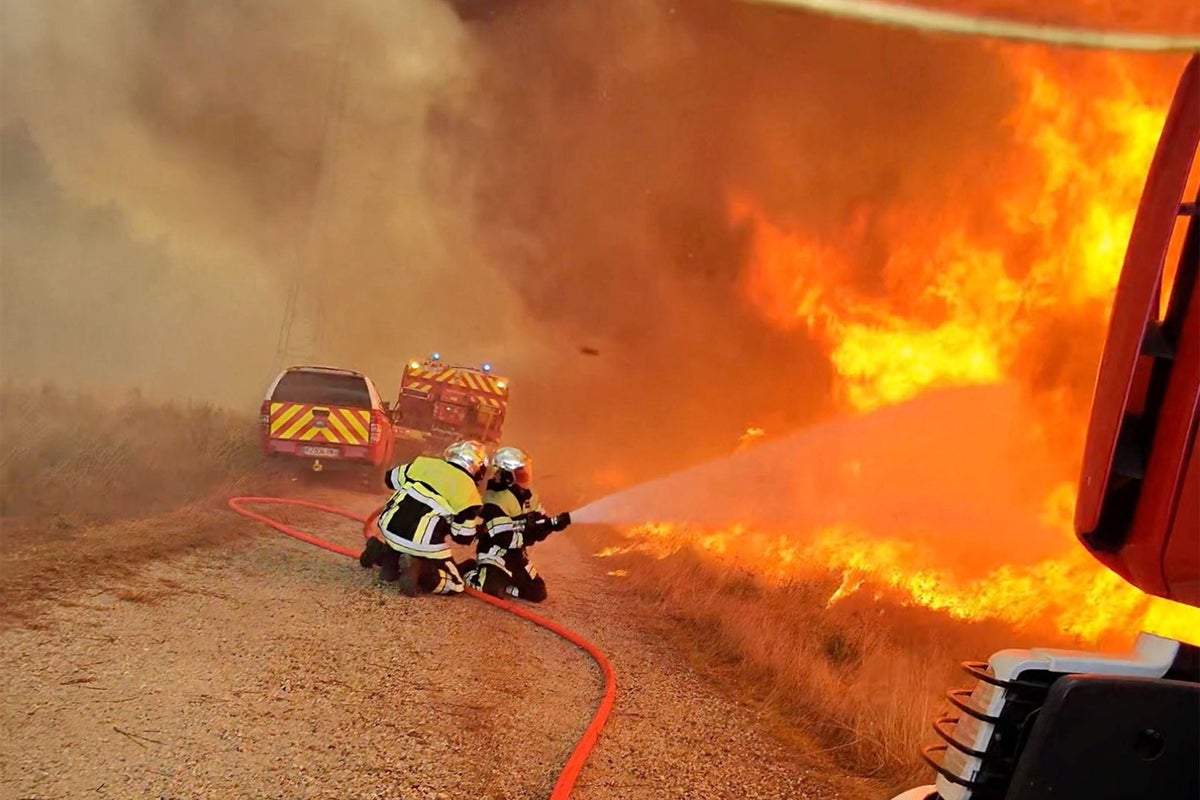
Wildfires don't knock. They move fast. They cut off power. They trap families inside their own homes before anyone realizes how bad things are.
That's exactly what happened during the intense blazes sweeping across parts of France. Thick smoke choked the air, turning daylight into an eerie, glowing orange haze. In the middle of this chaos, quick thinking mattered more than waiting for emergency services to arrive. A teenage boy stepped up when the fire reached his doorstep, acting with a level of calm that most adults struggle to maintain under pressure.
Let's talk about what actually happened, why evacuation windows shrink so fast during climate disasters, and what you can learn from real survival stories when nature turns hostile.
When the Smoke Closes In
You see wildfires on the news all the time. They look distant, contained behind glass screens. But when you are inside the evacuation zone, the reality hits instantly. The air turns heavy. Breathing becomes a conscious effort.
During the fires in France, heavy winds pushed toxic smoke across residential neighborhoods. Visibility dropped to nearly zero in a matter of minutes. Power lines failed. Cell towers flickered out.
When smoke rolls in like that, panic is the default human response. You want to freeze. You want to wait for someone else to fix the problem. But the teenager at the center of this story didn't wait. He knew his younger cousins were inside the house, and he knew the escape routes were narrowing by the second.
Staying calm when your eyes are burning and your chest is tight is nearly impossible. Yet, breaking through that panic is the only way out.
The Split Second Decision
Evacuation alerts are often too late. By the time official warnings ping on mobile phones, roads are already blocked and visibility is gone.
The teen didn't rely on a formal emergency broadcast. He relied on environmental cues. He smelled the thick, acrid smoke. He saw the ash falling like snow. He realized that waiting for firefighters to rescue them from a suburban home surrounded by dry brush was a losing strategy.
Here is what went down in those crucial minutes:
- Assessing the exits: The main road was already choked with traffic and smoke. He scouted an alternative path away from the main fire front.
- Securing the kids: He gathered his younger cousins, keeping them close and dampening cloths to cover their noses and mouths against the toxic fumes.
- Moving fast: Every second counts. Hesitating for two minutes can mean getting trapped by shifting winds.
People always wonder if they could handle a crisis. Most people freeze. They look for keys, phones, or unnecessary items. This young rescuer focused strictly on survival.
Why Wildfires Are Getting Worse
France, like much of Southern Europe, faces increasingly brutal summer conditions. Extended dry spells turn forests and rural brush into tinderboxes. When a spark catches, it doesn't just burn—it explodes across the landscape.
The smoke itself is often more dangerous than the actual flames. Burning pine, residential structures, and synthetic materials release toxic particulate matter. Inhaling that air damages your lungs instantly.
If you live anywhere near a wooded area, a rural dry zone, or regions prone to seasonal heatwaves, the rules of thumb have changed. Traditional fire safety advice isn't enough anymore.
Practical Survival Steps for Sudden Disasters
Waiting for an official evacuation order can be fatal. If you want to keep yourself and your family safe during a sudden wildfire threat, you have to adopt an active mindset.
First, keep a go-bag packed if you live in a high-risk zone. Don't waste precious minutes looking for passports, chargers, or clothes. Grab the essentials and move.
Second, protect your airways immediately. Smoke inhalation causes people to collapse before the flames even reach them. Wet cloth masks or respirators are non-negotiable.
Third, ignore your instincts to stay and protect property. Houses can be rebuilt. Lives cannot. When the smoke closes in, your only job is distance. Get away from the fire front, move perpendicular to the wind direction if possible, and head toward designated safe zones or open coastlines where vegetation is sparse.
The bravery shown in France reminds us that disasters don't care about your age. Emergencies demand immediate action. Know your exits, trust your instincts when the air turns bad, and never assume you have more time than you actually do.


