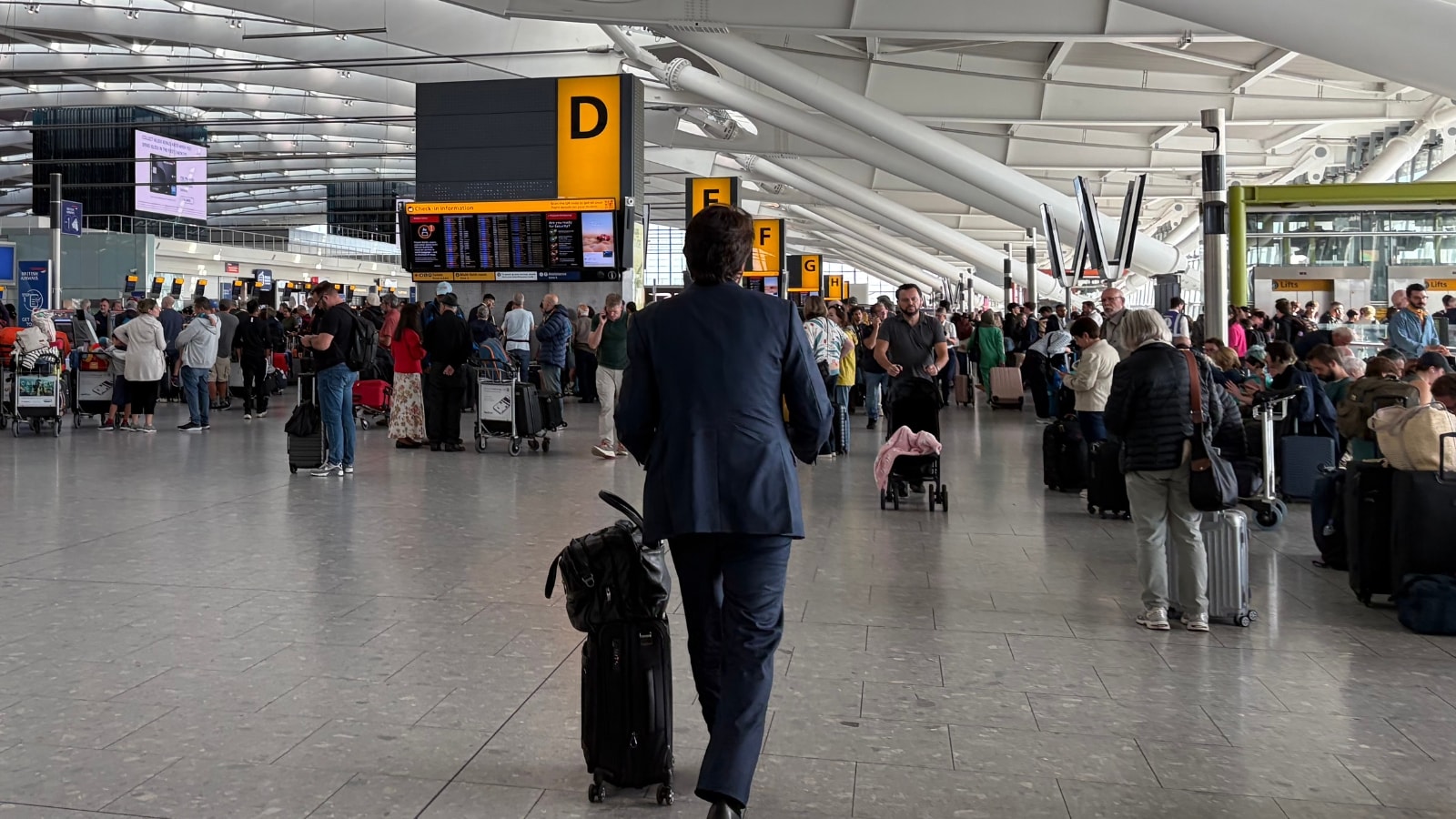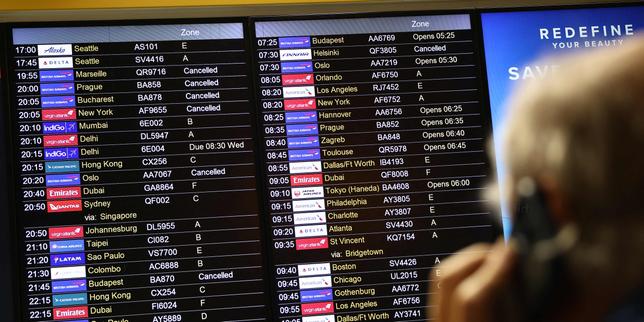
The coffee in Terminal 5 was lukewarm, tasting faintly of boiled copper and institutional despair. It was 4:14 AM when the departure board blinked. Not with a change of gate, nor a polite apology, but with a synchronized, violent shudder of amber pixels.
(Hypothetical scenario: Meet Sarah, a freelance illustrator whose entire livelihood hinges on a three-hour hop to Frankfurt for a client pitch that took six months to secure. She is staring at row 42, watching her career dissolve into a row of blank dashes.)
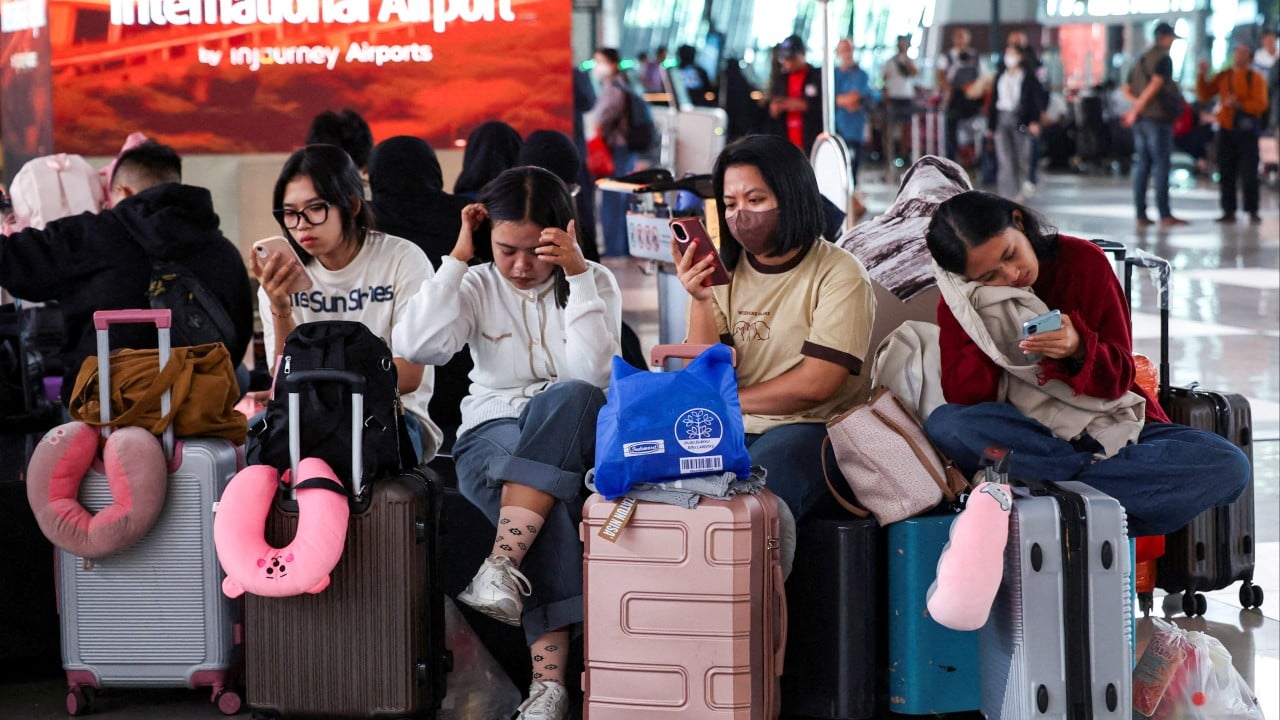
Across the United Kingdom, from the cavernous halls of Heathrow to the windswept tarmac at Manchester, thousands of travelers experienced a very specific kind of modern vertigo. One moment, you are a sovereign individual with a passport, a ticket, and a destination. The next, you are an involuntary resident of a linoleum purgatory, tethered to a plastic chair by forces entirely invisible and utterly absolute.
An air traffic control glitch did not just delay flights. It exposed the threadbare scaffolding of our hyper-connected age.
We live under an illusion of permanence. We book a seat on a pressurized tube flying at five hundred miles per hour, touch down for lunch in another time zone, and think nothing of it. It feels solid. It feels like physics and engineering. But beneath the titanium and jet fuel lies a nervous system of archaic software, overworked technicians, and a fragile choreography that relies on everything going right, every single second of the day.
When National Air Traffic Services experienced its system failure, the technical post-mortems used words like "data processing anomaly" and "flight plan validation." Those phrases are designed to soothe. They turn human chaos into administrative neatness. But ask the father sleeping on his carry-on bag in Birmingham how he feels about a data processing anomaly. Ask the bride whose best friend missed the rehearsal dinner because a server in Swanwick decided to lose its mind.
Planes are heavy. Steel is loud. Yet the entire global mobility machine moves entirely at the mercy of thought.
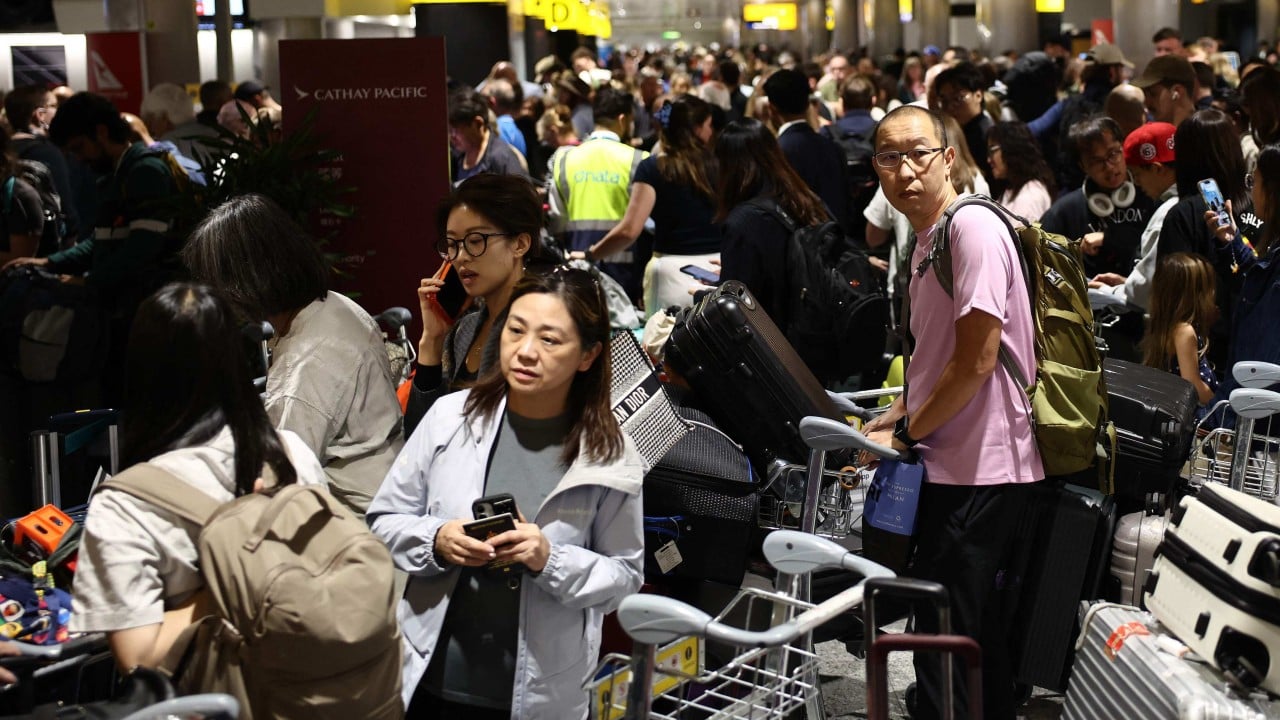
Consider what happens next: The screens go dark. The automated announcements loop with a cheerful, maddening optimism that feels like gaslighting. Your journey is important to us. Gate agents, wonderful people who did not write the code and cannot reboot the mainframe, face the tidal wave of human frustration alone. They absorb the fury of missed connections, expired visas, and broken promises, armed with nothing more than a clipboard and a pained smile.
This is where the true cost of systemic fragility is paid. Not in airline share prices, though those wobble. Not in logistical rerouting costs, though those run into the millions. It is paid in the currency of human time.
Time is the only asset that cannot be refunded, rebooked, or upgraded to business class. When a glitch grounds the skies for hours, cascading delays ripple outward like cracks in safety glass. A plane stuck in Glasgow means a crew stranded in Edinburgh, which means a canceled meeting in Zurich tomorrow morning, which means an entire domestic economy stutters just a fraction of a heartbeat.
We treat aviation like a utility, right alongside running water and electricity. We expect it to be invisible. When you turn on the tap, you expect water. When you buy a ticket, you expect the sky.
And mostly, it works. That is the haunting irony. The system works with such breathtaking, clockwork precision ninety-nine percent of the time that we forget it is a miracle. We treat thousands of tons of metal hurtling through the stratosphere as routine as catching a bus. We grow impatient if the Wi-Fi drops for twenty minutes over the Channel.
Then the glitch hits.
The illusion shatters. The invisible architecture reveals its skeletons.
We are tethered to systems we do not understand, run by people we will never see, dependent on code written decades ago and patched together with digital duct tape. Every major travel disruption in British airspace serves as a stark reminder that our hyper-efficient world is built on a razor's edge.
Sarah never made that Frankfurt pitch in person. She ended up taking it from a quiet corner of a departure lounge, using her phone’s failing hotspot while a cleaner emptied a nearby bin with rhythmic indifference. She got the client, eventually. But the victory felt hollow, muffled by the ambient drone of thousands of stranded souls waiting for a green light from the heavens.
The screens eventually blinked back to life. The amber text stabilized. The crowds surged forward like a retreating tide rushing back to shore, desperate to reclaim their stolen hours.
Up above, the clouds rolled past, entirely indifferent to the digital ghosts that had briefly held humanity hostage on the ground. The sky opened up once more, vast and blue and impossibly quiet, waiting for the engines to roar again.