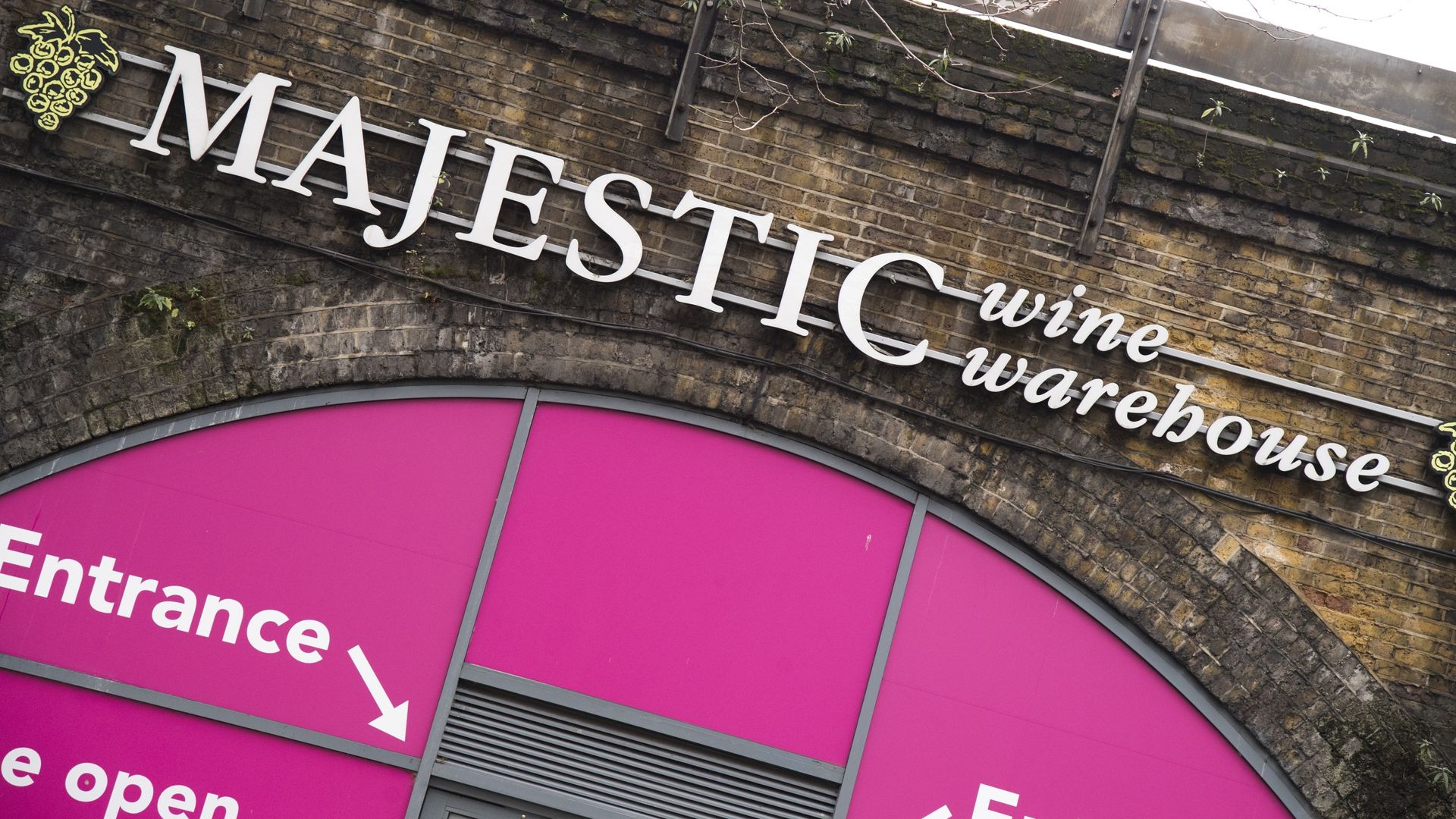
Every retail analyst with a Bloomberg terminal and a half-empty flat white has spent the last week treating Tesco sniffing around Majestic Wine like a masterclass in strategic expansion. They point to market share. They babble about cross-selling fine vintages to soccer moms buying value-pack chicken breasts. They use words like synergy without ever explaining how a grocer pushing pallets of Foster's gets a customer to trust a sommelier.
It is financial pornography for people who have never spent ten minutes on a wet Tuesday morning trying to manage shrink in a high-rent high-street box.
I have watched traditional retail giants burn tens of millions trying to bolt high-touch specialty retail onto low-margin discount empires. I have seen the slide decks. I have smelt the panic when the quarterly returns come in and the board realizes that consumer habits do not bend just because a corporate treasury department wired two hundred million pounds to an acquisition target.
Tesco does not need Majestic Wine. Majestic Wine definitely does not need Tesco. And anyone telling you this deal represents the pinnacle of modern retail strategy is either selling stock or has spent too long breathing the fumes of a corporate boardroom.
The Mass Market Trap
Let us dismantle the core delusion driving this narrative. The lazy consensus is that scale cures everything. If you own the supply chain from the Chilean vineyard to the local Express store, you win. Margins expand. Costs compress. Everyone drinks happily ever after.
Except grocery retail operates under entirely different economic laws than specialist wine retailing.
Grocery is a volume game governed by velocity, square-footage productivity, and ruthless stock turn. You put cheap plonk on a shelf, discount it via Clubcard, and pray the consumer grabs a multipack of crisps on their way out. The cost of failure is a few damaged bottles written off as waste.
Specialty wine retail is an advisory game. It survives on curation, staff expertise, tasting counters, and a specific type of neighborhood trust. When a customer walks into Majestic, they want a human being who can tell them why a particular Rioja tastes like wet slate and leather. They are paying a premium for that friction, for that human touch, for the distinct lack of self-checkouts beeping at them to place their item in the bagging area.
If Tesco absorbs Majestic, what happens on day one? Corporate bean counters look at the labor costs per square foot. They look at the low stock turnover compared to baked beans. They panic. They start trimming staff, replacing experienced wine advisors with standard retail temps who double as shelf-stackers, and flooding the floor with mass-produced commercial brands bought through existing supermarket procurement channels.
Within eighteen months, you have destroyed the exact thing that made the acquisition attractive in the first place. You are left with an expensive, underperforming chain of glorified off-licences that alienates the fine wine enthusiast and confuses the weekly grocery shopper.
Why Specialist Retail Dies in the Grocery Machine
Let us look at the historical body count of grocers trying to play upscale. When mass-market giants buy specialist brands, they suffer from a fatal lack of internal context. They assume brand equity is a liquid asset that can be poured into any container.
It is not. Brand equity is fragile. It is built over decades and dismantled in quarters through a thousand tiny operational compromises.
Imagine a scenario where a Tesco executive walks into a Majestic branch. They see empty floor space. To a grocery mind, empty floor space is wasted revenue. They immediately think of adding greeting cards, convenience snacks, or discounted spirits. They introduce centralized range reviews where head office decides what every store in the country sells based on national demographic data rather than local palate.
Suddenly, the independent spirit vanishes. The wine selection starts looking suspiciously like the aisle three selection at a large Extra store, just with a slightly higher price tag and a different carpet.
Consumers are not stupid. They possess an instinctive radar for corporate dilution. The moment a specialist brand loses its independence, it loses its margin protection. Why pay twenty pounds for a bottle at a corporate-owned Majestic when you can buy a functional equivalent down the aisle at Sainsbury or Tesco for fourteen? You have destroyed the moat.
The Margin Delusion
Proponents of this buyout love to talk about purchasing power. They argue that Tesco can secure better terms from global wine producers due to sheer volume.
This reveals a profound misunderstanding of how the fine wine market actually works. Large-scale grocers buy bulk wine by the tanker, blending varietals from multiple vineyards to ensure consistent flavor profiles year-round. That is how you get mass-market consistency at low price points.
Majestic operates in the parcel market. They buy specific vintages from boutique estates, independent growers, and fragmented chateaux where supply is strictly finite. You cannot scale that. The moment you demand double the volume from a small grower in the Rhône Valley, they either cannot supply it or they lower their quality standards to meet your demand.
If Tesco tries to apply its high-volume procurement model to Majestic's inventory, the supply chain breaks. If they leave the procurement independent, then where are the operational synergies everyone is drooling over? You cannot have it both ways. Either you crush the uniqueness for efficiency, or you keep the uniqueness and pay the operational costs that make the grocery ledger bleed.
The Digital Reality Check
Another favorite argument of the merger apologists is digital integration. They claim Tesco can fold Majestic into its online fulfillment machine, leveraging its massive delivery infrastructure to ship mixed cases across the country.
Look at how online grocery picking works. It is designed for speed. A picker jogs down an aisle with a trolley, scanning items under intense time pressure. Do you want the person picking your fifty-pound vintage Burgundy to be a time-incentivized picker who treats it with the same care as a box of Cheerios?
Wine shipping requires temperature control, careful handling, and specialized packaging to prevent breakage and spoilage during transit. Supermarket supply chains are optimized for dry goods and chilled transit. They are notoriously brutal on fragile, temperature-sensitive goods. Scaling wine delivery through a standard grocery logistics network is a surefire way to increase customer service complaints and stock write-offs.
What They Should Be Doing Instead
If Tesco's leadership actually wants to capture high-end drinks spend without committing corporate self-harm, they should look at what is happening in quick-commerce and localized curation. But buying a physical specialist footprint with high lease liabilities and specialized staffing requirements is a twentieth-century solution to a twenty-first-century problem.
Physical retail space is expensive. Rent is not getting cheaper. Labor is not getting cheaper. Tying up capital in legacy bricks-and-mortar specialty shops while your core business faces relentless pressure from hard discounters like Aldi and Lidl is strategic malpractice.
Majestic, meanwhile, has carved out a profitable, resilient niche by doubling down on service, tastings, and staff training. They know who their customer is. They know their customer does not want to shop next to someone buying discounted washing powder.
The Bottom Line
Deals like this get floated because investment bankers need fee events and business journalists need column inches. They look good on a whiteboard in a Canary Wharf conference room.
In the real world, corporate culture eats strategy for breakfast, and grocery culture would devour the soul of Majestic Wine before the ink on the acquisition contract even dried.
Leave Majestic alone. Let them sell good wine to people who care about it. And let Tesco focus on making sure their self-checkout scanners stop screaming every time someone buys loose loose onions.
Stop trying to force disparate retail models together just because they both happen to involve glass bottles. Some things do not belong in a shopping trolley.