Advertising executives love a heartwarming holiday story, yet they rarely ask the people actually doing the job if the script makes any sense. That disconnect hit Tesco hard when delivery drivers spotted a glaring safety blunder in the supermarket's festive campaign—one that would get real staff fired on the spot.
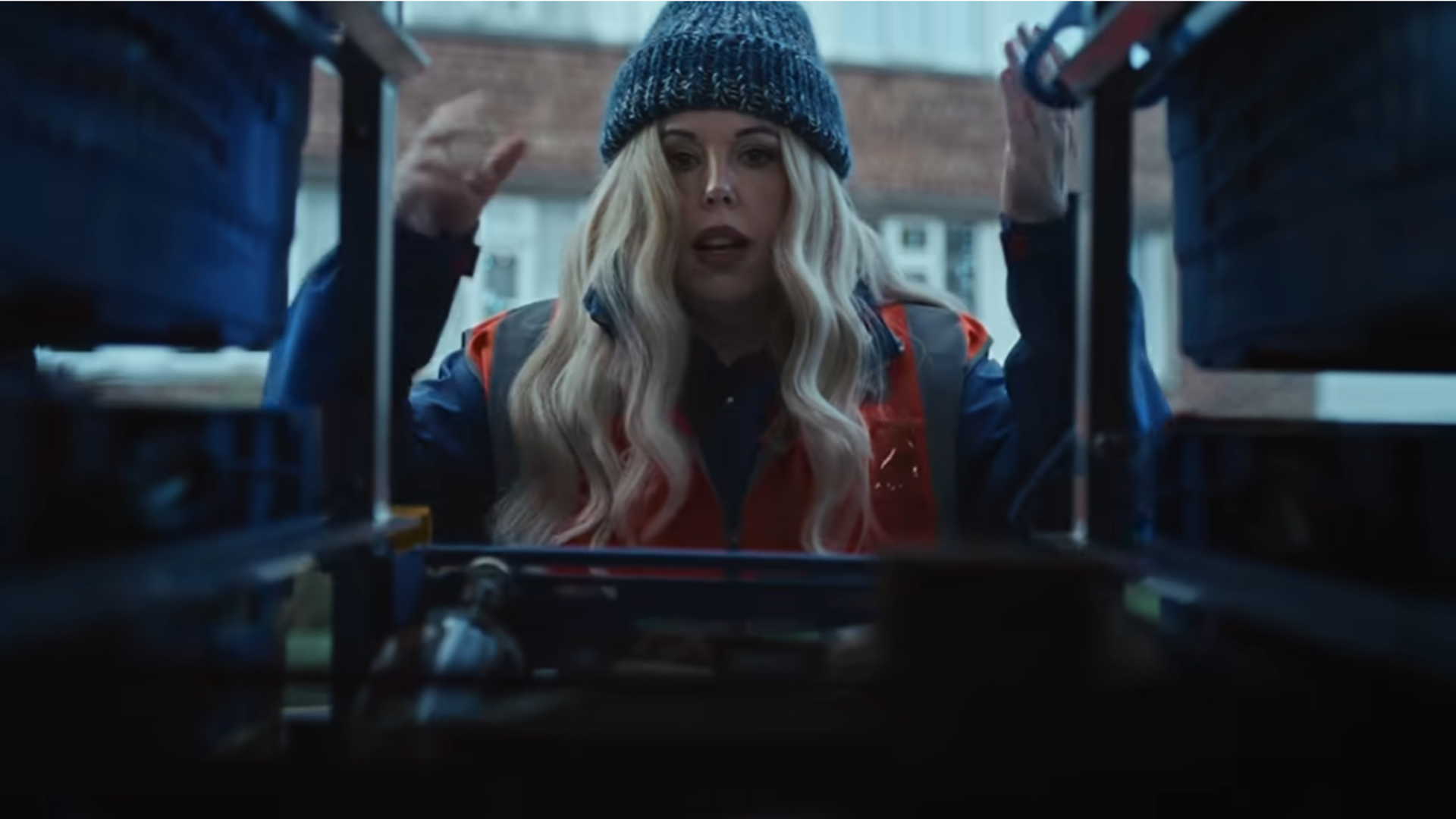
You've probably seen the commercial. A cheerful Tesco delivery driver pulls up in his van, spreads some holiday magic, and saves the day for a stressed-out family. It's classic British Christmas television, complete with festive lights, emotional music, and a spotless blue uniform. If you enjoyed this article, you should check out: this related article.
Except actual Tesco drivers watching from their sofas didn't feel warm and fuzzy. They laughed. Then they pointed out that if any of them copied what the actor did on screen, they'd be dragged into a disciplinary meeting before their shift even ended.
The Exact Moment That Made Drivers Laugh
In the commercial, the driver steps out of the vehicle and leaves the van running, or leaves the keys in the ignition and the doors wide open while walking away to interact with customers and deliver crates. Depending on the specific cut of the festive campaign, drivers noticed standard security and safety protocols getting tossed straight out the window for the sake of a cinematic shot. For another perspective on this story, see the latest coverage from USA Today.
To a viewer eating mince pies on the couch, it looks completely harmless. To someone who drives a 3.5-tonne Mercedes Sprinter or Iveco Daily through tight residential streets for ten hours a day, it's a textbook gross misconduct charge.
Supermarket delivery vans are prime targets for opportunistic thieves, especially in November and December when they're packed with expensive turkeys, spirits, and festive hampers. Tesco's internal compliance rules are brutal about vehicle security. You turn the engine off. You take the keys out. You lock the cab doors every single time you step away from the vehicle, even if you're only walking three yards to a front porch.
Leaving a van unsecured isn't a minor slap-on-the-wrist mistake. In UK retail logistics, it's widely treated as a sackable offence.
Why Retail Compliance Is So Ruthless
If you've never worked in commercial fleet logistics, the reaction from drivers might seem dramatic. Why would a massive corporation fire someone over leaving a door unlocked for thirty seconds?
Insurance and liability run the entire industry. Fleet insurers impose strict conditions on supermarkets like Tesco, Sainsbury's, and Asda. If a delivery van gets stolen while the keys are still in the ignition—or even sitting in the driver's pocket while the cab remains unlocked—the insurer can refuse to pay out a single penny.
That puts the entire financial loss of a £40,000 refrigerated van and £2,000 worth of groceries straight onto the retailer's balance sheet. Worse still, if a thief jumps into an idling van and crashes it into a parked car or a pedestrian, the corporate liability nightmare is massive.
Because the financial stakes are so high, transport managers enforce a zero-tolerance policy. Mystery auditors and covert loss-prevention officers regularly follow delivery vans around housing estates just to check if drivers are locking their doors at every drop. Get caught leaving your cab open twice—or even once in a high-risk area—and your employment contract is toast.
The Gap Between Ad Agencies and Reality
This whole fiasco highlights a massive blind spot in corporate marketing. Creative agencies spend millions crafting emotional narratives, hiring cinematographers, and testing emotional resonance with focus groups. Almost none of that budget goes toward putting an actual frontline worker on set as a technical advisor.
Directors hate realistic delivery procedures because real life looks clunky on camera. Watching an actor fumble with a lanyard, pull keys from an ignition, hit a central locking fob, walk to the rear shutter, unlock the back, pull out a heavy green tote, lock the back again, and walk to a front door kills the pacing of a 60-second advert.
So the director tells the actor to just hop out and smile. The agency signs off on it. The brand managers at head office love the lighting. Nobody thinks to ask a depot manager in Manchester or Birmingham whether the shot violates basic company policy.
Honestly, it happens across almost every industry. Nurses groan at medical dramas where actors wear stethoscopes backwards or shock flatlining hearts. Chefs cringe when TV actors hold kitchen knives like hammers. Delivery drivers just happened to have social media groups large enough to roast Tesco publicly when their turn came around.
What Working Christmas Shifts Actually Looks Like
The mockery wasn't just about the unlocked doors, though. Drivers on Reddit, Facebook, and X used the advert as a springboard to talk about the reality of December shifts compared to the glossy TV version.
In the advert, the streets are wide, parking spaces magically appear right outside the customer's front gate, and the snow falls in gentle, picturesque flakes. Real December deliveries look nothing like that.
- Overloaded routes: During peak Christmas weeks, drops per shift spike dramatically. Drivers routinely lug heavy crates of beer, wine, and frozen turkeys up three flights of unlit apartment stairs without an elevator.
- Impossible parking: Residential streets are choked with parked cars. Drivers frequently have to park two streets away and haul stacked totes over wet, icy pavements using a sack barrow.
- Strict telematics: Every single van is fitted with tracking software that monitors harsh braking, acceleration, cornering, and idling time. If a driver leaves an engine running to keep the cab warm while sorting crates, an automated alert flags it on a manager's dashboard back at the depot.
- Tight time windows: Customers book one-hour slots, and traffic gridlock in December makes hitting every window a constant battle against the clock.
When you spend twelve hours battling freezing rain, broken doorbells, and automated tracking systems that penalize you for idling for two minutes, watching a TV actor casually leave a van wide open while chatting on a doorstep feels absurd.
How Supermarkets Handle These Backlashes
Tesco isn't the first retailer to get roasted by its own workforce over a Christmas campaign, and it definitely won't be the last. Sainsbury's, Morrisons, and Amazon have all faced similar mockery from staff whenever a commercial portrays a sanitized, rule-breaking version of warehouse or delivery life.
Usually, corporate PR teams simply ignore the chatter. A few thousand warehouse workers and drivers joking about a sackable offence on Facebook doesn't hurt grocery sales. Shoppers don't care about fleet insurance compliance; they care about whether their pigs in blankets arrive before Christmas Eve.
Still, internal communication teams do pay attention when morale dips. When frontline staff feel like head office doesn't even understand the basic rules they get disciplined for breaking, resentment builds quietly. You can't preach strict adherence to health, safety, and security protocols in Monday morning depot briefings while broadcasting the exact opposite behavior on prime-time television every night.
What Marketing Teams Should Do Differently
If you work in brand marketing, communications, or creative production, there's a dead-simple lesson here. Stop treating frontline staff like invisible props.
Before locking in a final cut for any commercial that depicts real employees doing real jobs, put the rough edit in front of five people who actually do that work. Give a few delivery drivers, warehouse pickers, or store cashiers ten minutes to watch the storyboard.
They'll spot the fake uniform badges, the illegal parking, the missing safety gear, and the sackable offences immediately. Fixing those details on set costs nothing. Catching them before broadcast saves your brand from becoming a punchline inside your own breakrooms.
For drivers watching the advert this season, the advice is equally straightforward: enjoy the festive music, laugh at the actor's terrible van security, and make sure you still pull your keys out of the ignition at your next drop. Head office won't accept "I saw it on the telly" at a disciplinary hearing.