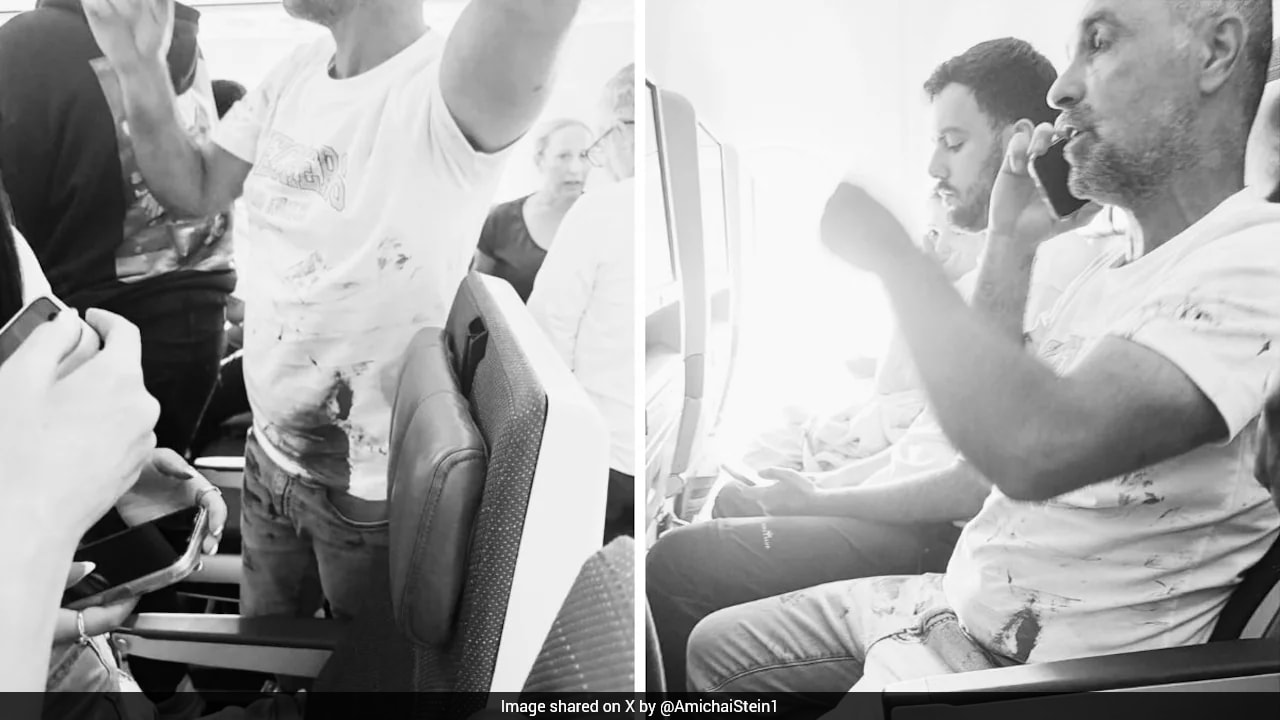
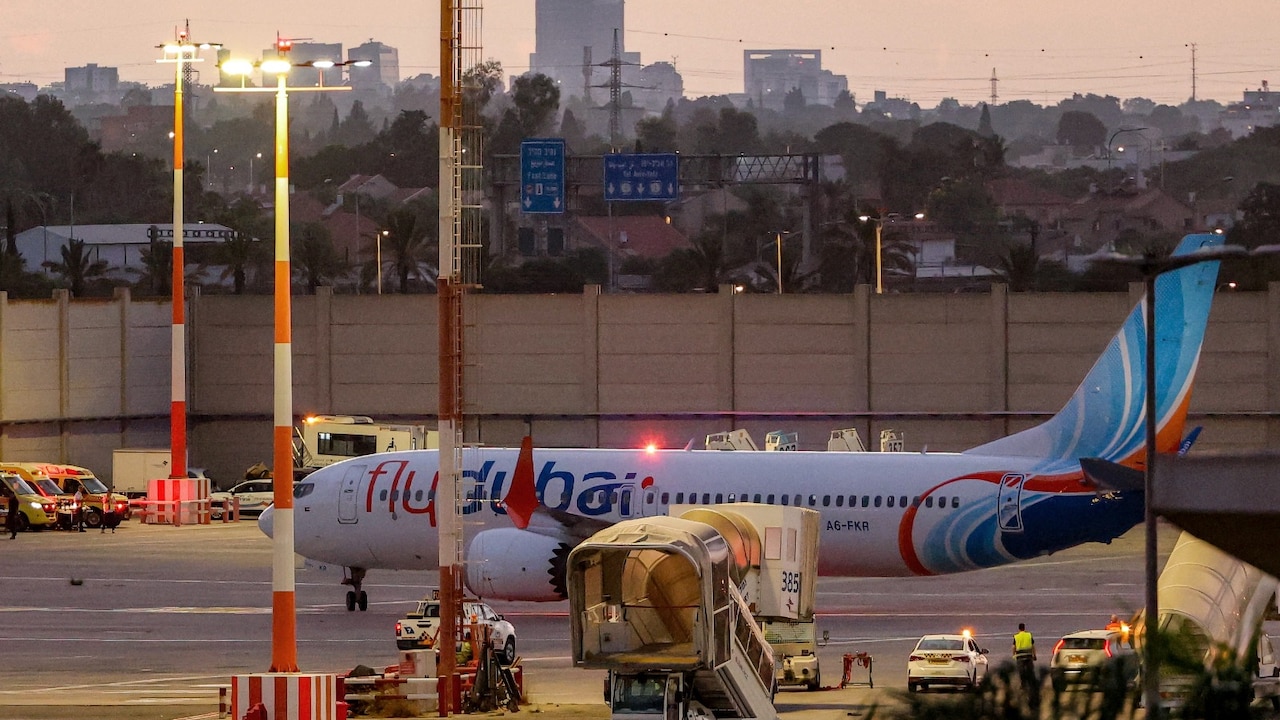
Commercial aviation operates on an implicit social contract. Millions of passengers board narrow-body and wide-body aircraft every day, surrendering control of their physical safety to a locked flight deck, a handful of cabin crew, and invisible regulatory frameworks. When that contract fractures at cruising altitude, the psychological aftermath stretches far beyond the physical incident. The FlyDubai knife attack incident exposed a chilling reality about modern air travel security. Passengers trapped in a confined metal tube thousands of feet above the earth face a unique brand of psychological terror when violence breaches the cabin.
Security protocols across global aviation have spent decades hardening against external threats. Metal detectors, baggage screeners, and reinforced cockpit doors became standard practice following historical shifts in security philosophy. Yet, the interior cabin remains a human ecosystem vulnerable to spontaneous violence, psychological distress, and interpersonal conflict. Understanding why these incidents occur requires looking past the sensationalized headlines and examining the structural gaps in in-flight security, crew training limitations, and the chilling physics of airborne containment.
The Illusion of Absolute Containment
Airports are fortresses. Armored checkpoints, explosive trace detectors, and armed patrols create a perimeter designed to keep dangerous materials off aircraft. But the human element defies rigid categorization. Screening systems evaluate metal, density, and chemical signatures. They do not measure intent, escalating psychiatric crises, or sudden violent impulses.
When a passenger manages to introduce a weapon past security checkpoints, whether through oversight, improvised capability, or policy blind spots, the entire security paradigm shifts in a fraction of a second. Ground-level security relies on deterrence and detection. In-flight security relies almost entirely on physical containment, improvised defense, and the intervention of everyday travelers.
A commercial airliner at cruising altitude is not a police precinct. There are no holding cells, no specialized tactical gear, and no immediate backup. Crew members are trained primarily in service delivery and emergency evacuation procedures. While de-escalation training has expanded significantly in recent years, flight attendants are fundamentally hospitality professionals thrust into the role of first responders during a crisis.
When a knife or any lethal instrument appears in the aisle, the geometry of the cabin works against the passengers. Narrow aisles prevent rapid movement. Overhead bins limit visibility. Rows of fixed seating trap individuals in tight rows with minimal maneuverability. The psychological impact of this confinement amplifies the terror. There is nowhere to run. There is no exit door that can be opened safely while traveling at five hundred miles per hour.
The Anatomy of In Flight Panic
Human beings experiencing sudden, catastrophic threat response undergo predictable physiological changes. Adrenaline surges, cognitive tunnel vision sets in, and fine motor skills degrade rapidly. In the confined space of a passenger cabin, this panic is contagious.
Survivors of airborne violent incidents frequently describe a surreal disconnect between the mundane environment of commercial flight and the sudden eruption of violence. The hum of jet engines, the glow of overhead reading lights, and the distribution of beverage carts provide a baseline of normalcy that makes an attack feel entirely disorienting.
During the FlyDubai incident and similar historical breaches, passengers experienced a profound loss of agency. Being strapped into a seatbelt while chaos unfolds a few rows away creates a unique psychological torture. Witnesses recount the horrifying realization that their lives depended entirely on the split-second actions of strangers and crew members willing to put their bodies between a knife-wielding attacker and the rest of the cabin.
The aftermath of such events lingers for years. Post-traumatic stress disorder in aviation survivors often manifests as severe travel anxiety, hypervigilance in public spaces, and an obsessive preoccupation with exit locations and passenger behavior during subsequent flights. The sky, once viewed as a neutral transit corridor, becomes an arena of potential vulnerability.
Regulatory Blind Spots and the Human Factor
Aviation authorities constantly review security measures, yet systemic vulnerabilities persist because absolute security is incompatible with high-volume global commerce. Airlines operate on razor-thin profit margins. Boarding processes are optimized for speed, moving hundreds of passengers through narrow gates in minutes. Introducing more intrusive physical searches or psychological screening would cripple scheduling and passenger volume.
Furthermore, standardization across international carriers remains fragmented. Security standards that apply strictly in major North American or European hubs may not be uniformly enforced at regional airports in other parts of the world. A loophole or screening lapse at a secondary transit point can compromise an entire flight network.
Cabin crew members bear an unfair burden in this architecture. While airlines have introduced enhanced self-defense modules and restraint techniques into training curricula, expecting cabin crew to neutralize armed attackers without lethal defensive tools is a high-risk gamble. Hand-to-hand intervention against a determined assailant armed with an edged weapon almost invariably results in severe injury.
Improvised weapons do not require sophisticated planning. Everyday items carried legally into the cabin can be transformed into lethal instruments under the influence of severe mental distress or malicious intent. This reality underscores the limits of regulating specific objects. The threat is not merely the weapon; it is the person wielding it and the absence of immediate physical barriers within the passenger compartment.
Rethinking Cabin Security Realities
Addressing the risk of in-flight violence requires moving past reactive policy changes. Strengthening cockpit doors successfully mitigated the threat of coordinated hijackings reminiscent of historical paradigms, but it left the passenger cabin as a potential soft target.
Airlines and regulatory bodies must confront uncomfortable questions regarding onboard defense. Should select security personnel or armed marshals be integrated into a higher percentage of commercial routes? The logistical and political hurdles are immense, involving jurisdictional questions, sovereign airspace regulations, and the psychological impact of visible firearms in tight civilian spaces.
Alternatively, advancements in behavioral analysis and predictive security protocols offer a path forward, provided they are implemented without infringing on civil liberties or introducing systematic bias. Training ground staff and gate agents to recognize acute behavioral distress before boarding remains one of the most effective, yet underutilized, defense layers.
Until systemic improvements bridge the gap between ground-level screening and cabin-level protection, passengers stepping onto an aircraft continue to place their ultimate trust in an imperfect system. The haunting thoughts of those who survive airborne violence are not merely memories of a terrifying moment; they are a persistent warning about the fragile boundary between civilization and chaos at thirty thousand feet.