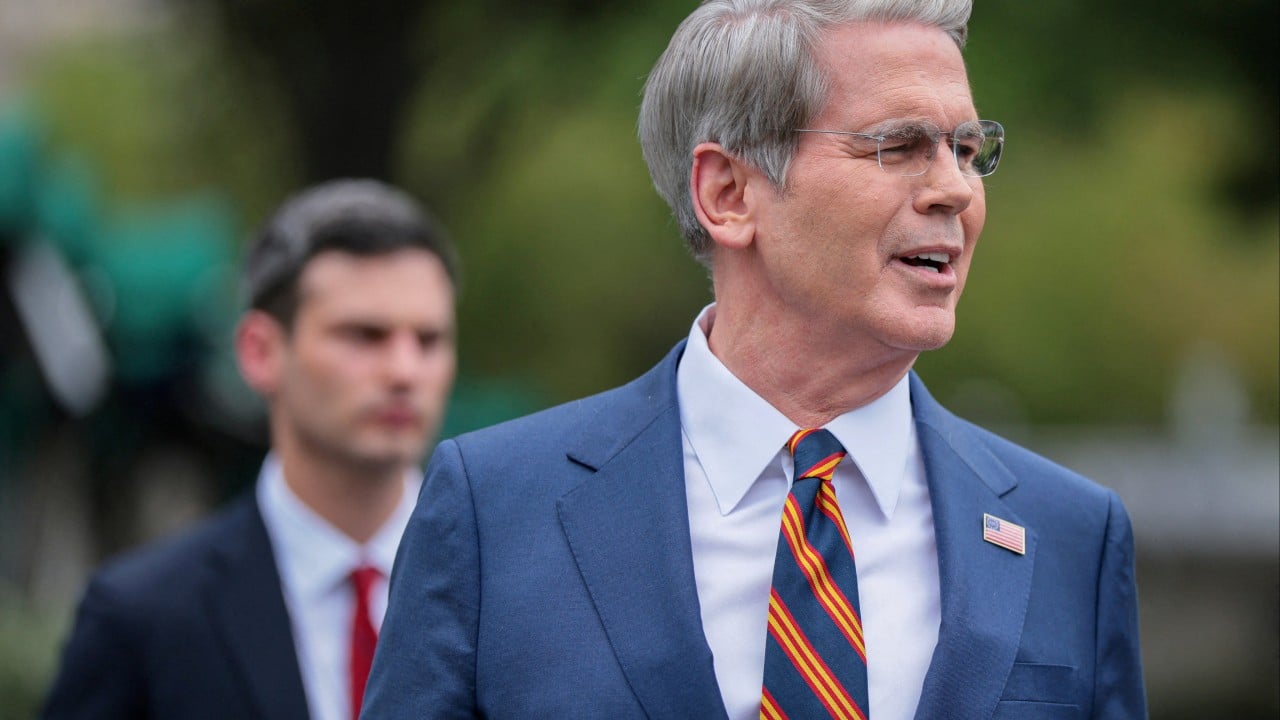
Washington wants to turn the screws until Tehran breaks. Treasury Secretary Scott Bessent and the administration are mapping out what they call unprecedented economic isolation, aiming to choke off the last remaining financial oxygen feeding the Iranian state.
You’ve probably heard the pitch before. Block the oil, freeze the assets, and punish anyone who dares to trade. But pulling off total economic isolation isn't just about flipping a switch at the Treasury Department. It’s a high-stakes gamble with massive blowback for global markets, relations with Beijing, and the stability of the entire Middle East.
If you want to understand what’s actually happening behind the headlines, you have to look past the tough talk and examine the mechanics of how Iran survives, who pays the price, and why Washington's options are dangerously limited.
The China Problem at the Heart of the Strategy
You can't talk about isolating Iran without talking about China. Beijing buys more than 90% of Iran's exported crude oil. That single trade channel is the literal lifeline keeping the regime afloat.
To truly squeeze Tehran, the U.S. has to go after the major Chinese financial institutions clearing these payments. That means threatening major banks with secondary sanctions, forcing them to choose between the U.S. dollar system or doing business with sanctioned entities.
Washington has tip-toed around this for years. Why? Because sanctioning top-tier Chinese banks is an act of economic warfare that goes far beyond Iran. Beijing won't just take it. They've already instructed firms to ignore U.S. restrictions on smaller independent refineries. Pushing harder risks direct financial retaliation and a severe escalation with the world's second-largest economy.
Cracking Down on the Shadow Fleet and Dubai Channels
Beyond direct oil sales, Tehran relies on an intricate web of evasion. It’s an ecosystem of shadow fleet tankers, maritime insurance loopholes, and currency exchange houses operating out of places like Dubai and Hong Kong.
The U.S. Treasury has targeted these currency networks for laundering billions in oil revenue. Yet, playing whack-a-mole with shell companies and underground hawala networks rarely works long-term.
- The Shadow Fleet: Tankers turn off their transponders, conduct ship-to-ship transfers in open waters, and disguise cargo origins.
- Alternative Clearing: Transactions increasingly bypass Western systems, moving through platforms like China's CIPS or Russia's SPFS.
- The Intermediary Trap: Shutting down one exchange house simply forces cash flows toward digital assets or new middlemen.
Iran has spent decades perfecting these workarounds. They treat sanctions as weather—something you endure rather than fix.
The High Cost of Energy Market Volatility
Let's look at the commodity side. The U.S. Navy is already maintaining a strict posture around the Strait of Hormuz, restricting maritime traffic and squeezing energy flows from a region that historically handles a massive chunk of global petroleum.
If Washington suddenly yanks the remaining Iranian barrels off the legal and gray markets entirely, global supply takes a direct hit.
Energy prices spike. Inflation creeps back into Western economies just as central banks try to stabilize. You can't detach domestic fuel prices from aggressive foreign policy. Ordinary consumers in the U.S. and Europe end up paying the hidden tax of maximum pressure campaigns through higher costs at the pump.
Missing the Target on Regime Change
History shows that broad economic isolation hurts the population far more than the political elite.
Decades of heavy sanctions have crushed the Iranian rial and battered middle-class families, but they haven't triggered the collapse of the Islamic Revolutionary Guard Corps. In fact, a besieged economy often deepens the regime's reliance on state-controlled smuggling networks, handing even more wealth and power directly to hardline security factions.
When people are struggling simply to afford medicine or basic food imports, survival takes precedence over political uprisings. The architects of maximum pressure frequently confuse economic suffering with political compliance. They aren't the same thing.
What Happens Next in the Standoff
The strategy will likely feature a mix of amplified rhetoric, targeted designations against regional exchange brokers, and ongoing naval deterrence. But a truly total economic embargo remains constrained by the reality of great power competition with China and the fear of triggering a severe energy shock.
Keep a close eye on Treasury announcements regarding tier-one foreign banks rather than small shell companies. That's the real canary in the coal mine. If Washington actually crosses that Rubicon, global finance enters uncharted territory. Until then, expect a lot of noise, continued maritime friction, and a stalemate where neither side can land a knockout punch.


