Geopolitical friction usually dominates headlines between Washington and Beijing, leaving little room for nuance. But recent findings from Sun Yat-sen University researchers point to an unexpected antidote for strained international perceptions: tourism and advanced digital infrastructure. When everyday travelers experience a country firsthand instead of filtering it entirely through cable news, opinions shift.
Public diplomacy doesn't always happen in conference rooms. Increasingly, it happens through high-speed rail networks, digital payment ecosystems, and shared cultural spaces. If you want to understand how national reputation is actually built or repaired in the modern era, you have to look past political speeches and examine how people move, pay, and communicate on the ground.
The Power of Direct Experience Over Broadcasted Narratives
For years, the American public's view of China has been shaped by macroeconomic headlines and strategic competition. Abstract policy debates rarely humanize a nation. When international visitors land in major urban centers like Beijing or Shanghai, they encounter a daily reality that often contradicts flat media portrayals.
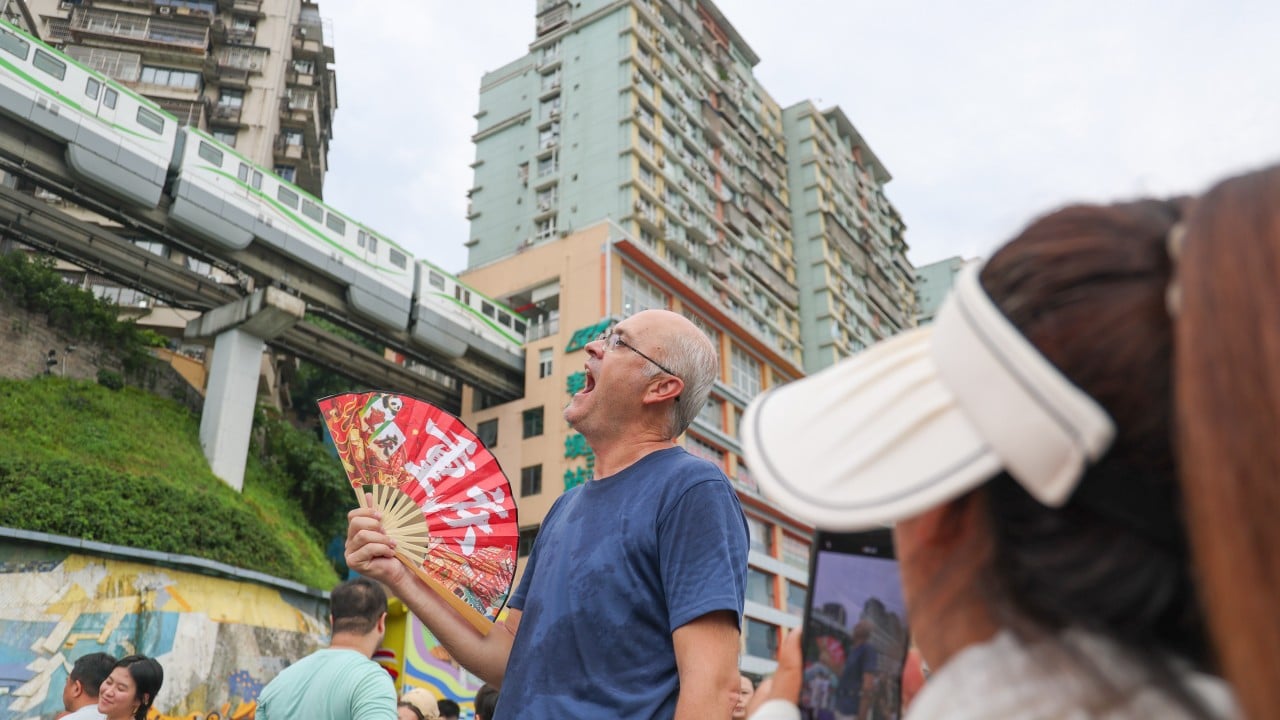
Recent data highlights strong American curiosity regarding complex cultural and regional topics. Satisfying that curiosity requires physical access and transparent communication. Bringing foreign travelers into direct contact with local communities creates organic touchpoints that institutional campaigns struggle to replicate. People remember the efficiency of a high-speed train or the warmth of a local guide far more vividly than they remember a televised editorial.
How Digital Integration Removes Friction for Travelers
Traveling through a foreign country used to mean navigating language barriers, paper maps, and cash conversions. Today, China's aggressive digital transformation has turned the country into an enormous test ground for smart tourism. Platforms integrating artificial intelligence, mobile wallets, and instant translation services have fundamentally altered how visitors move through space.
Platforms like the "China Bound·Beijing" English cultural tourism portal are designed specifically to bridge the gap for international guests, offering streamlined resources for heritage sites and immersive cultural activities. Yet, relying entirely on a smartphone for transit, translation, and ticketing introduces its own steep learning curve. Visitors must prepare ahead of time, download specific applications, and understand local digital habits to avoid administrative bottlenecks.
The technical shift offers clear lessons for global destination management:
- Infrastructure accessibility: Digital tools must accommodate foreign phone numbers and international credit cards seamlessly.
- Real-time information: Smart platforms need accurate, live updates regarding venue hours and ticket availability to maintain trust.
- Human support: Technology should assist, not replace, physical hospitality when travelers face unexpected problems.
Shifting Soft Power Through Openness
Improving public perception requires more than slick apps; it demands a genuine willingness to engage with skepticism. International media coverage often focuses heavily on points of political friction, leaving regular citizens caught in a crossfire of distrust. Openness in handling inquiries, welcoming independent journalists, and easing entry restrictions matter immensely.
When travel barriers drop, visitor numbers respond. Initiatives making visa-free entry smoother have triggered notable spikes in international arrivals. Travelers aren't looking for polished propaganda. They want authentic encounters, reliable services, and the freedom to explore at their own pace.
Practical Steps for Global Exchange
If cultural diplomacy through tourism is going to work, both sides have to lean into practical execution rather than theoretical charm offensives. Destinations welcoming international guests need to prioritize intuitive digital integration while preserving the tactile warmth of human interaction. For observers and travelers alike, looking beyond diplomatic standoffs to explore cultural depth remains the most effective way to cut through political noise.
Pack your bags, download the right tools before you board, and see the reality for yourself.