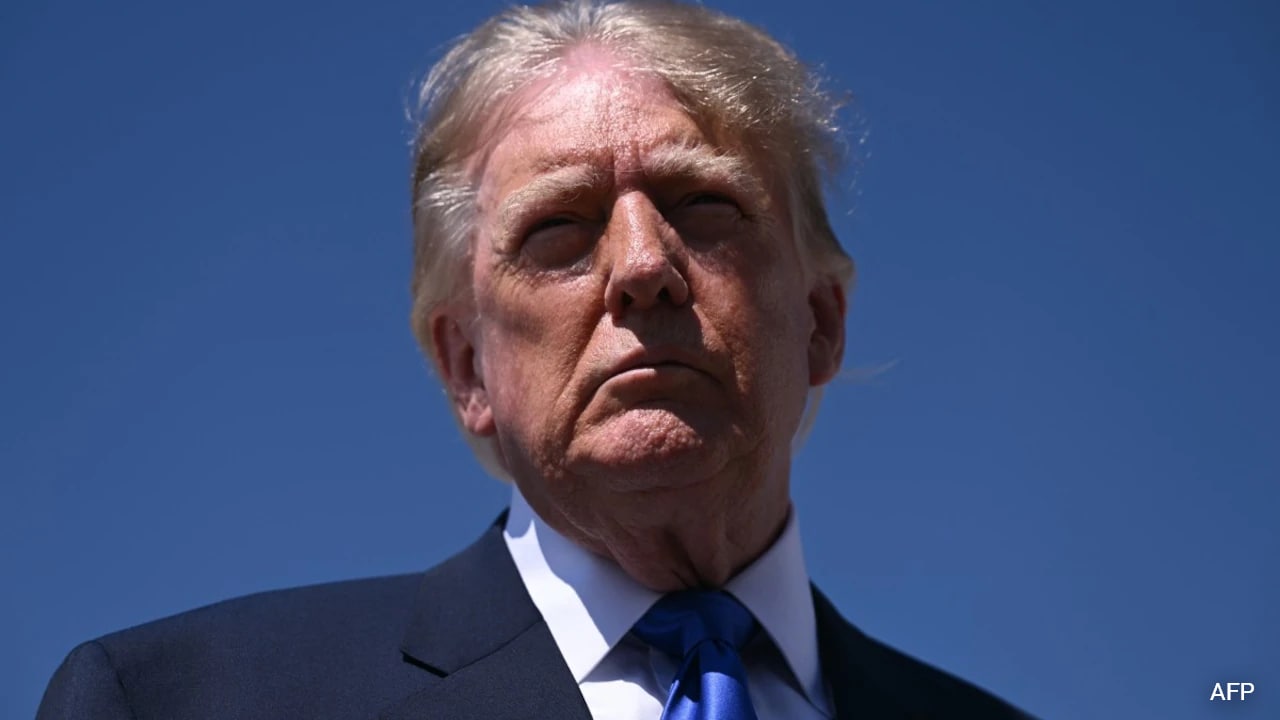
President Donald Trump just dropped a timeline for the ongoing conflict in the Middle East, telling reporters that the war with Iran will wrap up "immediately after" the November midterms. Speaking before heading to a Republican convention in Dallas, Trump pointed straight at the ballot box as the primary reason behind Tehran's current military posture.
If you are trying to make sense of soaring energy costs, shifting political rhetoric, and the sudden forecasts coming out of Washington, the timing isn't accidental. Elections change incentives. Trump's argument relies on the idea that foreign adversaries often try to drag out conflicts or apply pressure right before major American votes, hoping to shift domestic legislative power.
The Electoral Strategy Behind Tehran's Timeline
Trump didn't mince words about why he thinks the Iranian government is holding out. From his perspective, Tehran is banking on a shift in Congress that could yield a political landscape more favorable to their interests.
- The Political Gamble: Tehran is reportedly desperate to influence the U.S. electorate.
- Congressional Shift: Democratic factions have pushed to rein in presidential war powers and restrict funding.
- Nuclear Ambitions: The White House maintains that Iran's ultimate goal remains securing a nuclear weapon, creating high stakes for global security.
When you look at the mechanics of the conflict, the economic squeeze is real. High inflation, a crippled currency, and mounting pressure on naval assets mean that Iran's capacity to sustain a prolonged engagement has severe limits. Trump noted that recent U.S. strikes have taken out roughly nine Iranian ships or tankers, signaling that Washington intends to maintain military momentum right up until the polls open.
Beyond the Nuclear Deal
For months, analysts have debated whether a revived nuclear agreement is even on the table. Energy Secretary Chris Wright recently cast doubt on future pacts, and Trump doubled down on that sentiment by signaling that standard diplomatic frameworks are no longer the primary objective.
Instead, the administration is eyeing a broader set of parameters. Trump told reporters that his team is working on "much more than a nuclear deal," hinting at comprehensive regional shifts that wouldn't have been considered earlier in the year. At the same time, the International Atomic Energy Agency recently referred Iran to the UN Security Council over nonproliferation violations, adding a heavy layer of international legal pressure that complicates any straightforward path to a ceasefire.
What This Means for Energy Prices and Markets
Voters feeling the pinch at the pump are watching these developments closely. Crude oil prices hovering past $100 a barrel remain a massive political liability for the party in power.
Trump predicted that energy prices will tumble downward once the midterm hurdle is cleared, suggesting that gasoline could eventually drop below two dollars a gallon. Economists and energy analysts remain skeptical about hitting those specific lows so quickly, given the structural damage to regional infrastructure and ongoing disruptions in maritime trade routes like the Strait of Hormuz. Yet the political signal is clear: the administration wants to frame the current economic pain as a temporary byproduct of a conflict that has a distinct expiration date.
If you are tracking these markets, expect extreme volatility over the next couple of months. Watch the shipping insurance rates in the Gulf, monitor the weekly petroleum status reports from the Energy Information Administration, and pay attention to legislative moves on Capitol Hill regarding war powers appropriations. The rhetoric is peaking, but the economic realities on the ground will ultimately dictate how quickly the region cools down after the votes are cast.


