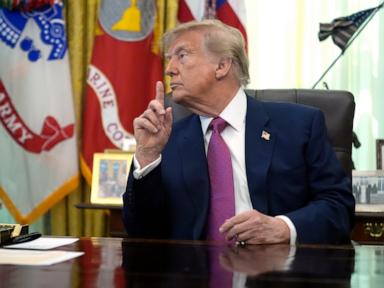
Politics rarely moves in a straight line, but this cycle feels less like a path and more like a rollercoaster. As the final stretch of the 2026 midterms approaches, both parties find themselves bracing for impact. Control of Congress hangs by a thread, and Donald Trump is holding every major wild card on the board.
Republicans currently cling to narrow majorities, holding 218 seats in the House to the Democrats' 214, alongside a 53-45 edge in the Senate. History dictates that the party in the White House should bleed seats during a midterm. Yet, standard political gravity doesn't always apply when Trump is driving the machine. Instead of stepping back, he has mapped out an aggressive blitz across roughly 35 competitive House and Senate contests to drag trailing candidates across the finish line. Read more on a related issue: this related article.
The Battlegrounds and the Bank Roll
Anxiety inside the GOP is real. Voters are anxious about living costs, lingering economic friction, and the domestic fallout from recent foreign policy clashes, particularly concerning Iran. Democrats smell blood in the water, needing a net gain of just three seats to flip the House and four to take the Senate.
GOP lawmakers have spent weeks pressuring leadership to deploy Trump's massive political war chest—reported at over $400 million—directly into vulnerable districts. Trump responded by laying out a grueling final-month strategy. He plans to spend the final 30 days visiting tight races personally, running up to 10 tele-townhalls a night, and forcing candidates to tie their local messages directly to his White House record. Additional analysis by The Washington Post highlights similar views on the subject.
Take races like the high-stakes Senate battle in Alaska, where a split field has complicated the Republican path, or Texas, where state Attorney General Ken Paxton faces an unexpectedly stiff challenge from Democrat James Talarico. These are the exact arenas where Trump's personal endorsement and mobilization muscle will be tested to their absolute limits.
The Unpredictable Variables
Trump remains the ultimate wild card because his influence operates on multiple levels simultaneously. First, there's his sheer physical presence on the campaign trail. He has privately compared this stretch to the final months of his 2024 run, stripping away leisure and demanding relentless work. When he rallies his base around border security, lower drug prices, and economic investments, turnout spikes in ways standard pollsters routinely struggle to model.
Second, his shadow looms over every local narrative. Democrats want to turn every ballot into a referendum on Trump himself. Republicans, meanwhile, are trying to channel his populist energy while dodging local economic headwinds. Whether his final month-long sprint can override historical midterm fatigue will determine the entire legislative landscape for the second half of his term.
Pay attention to how the money moves in these final weeks and which rallies get packed. The whiplash isn't slowing down anytime soon.


