You don't usually see nations negotiate a peace deal while actively dodging each other's bombs. Yet, here we are.
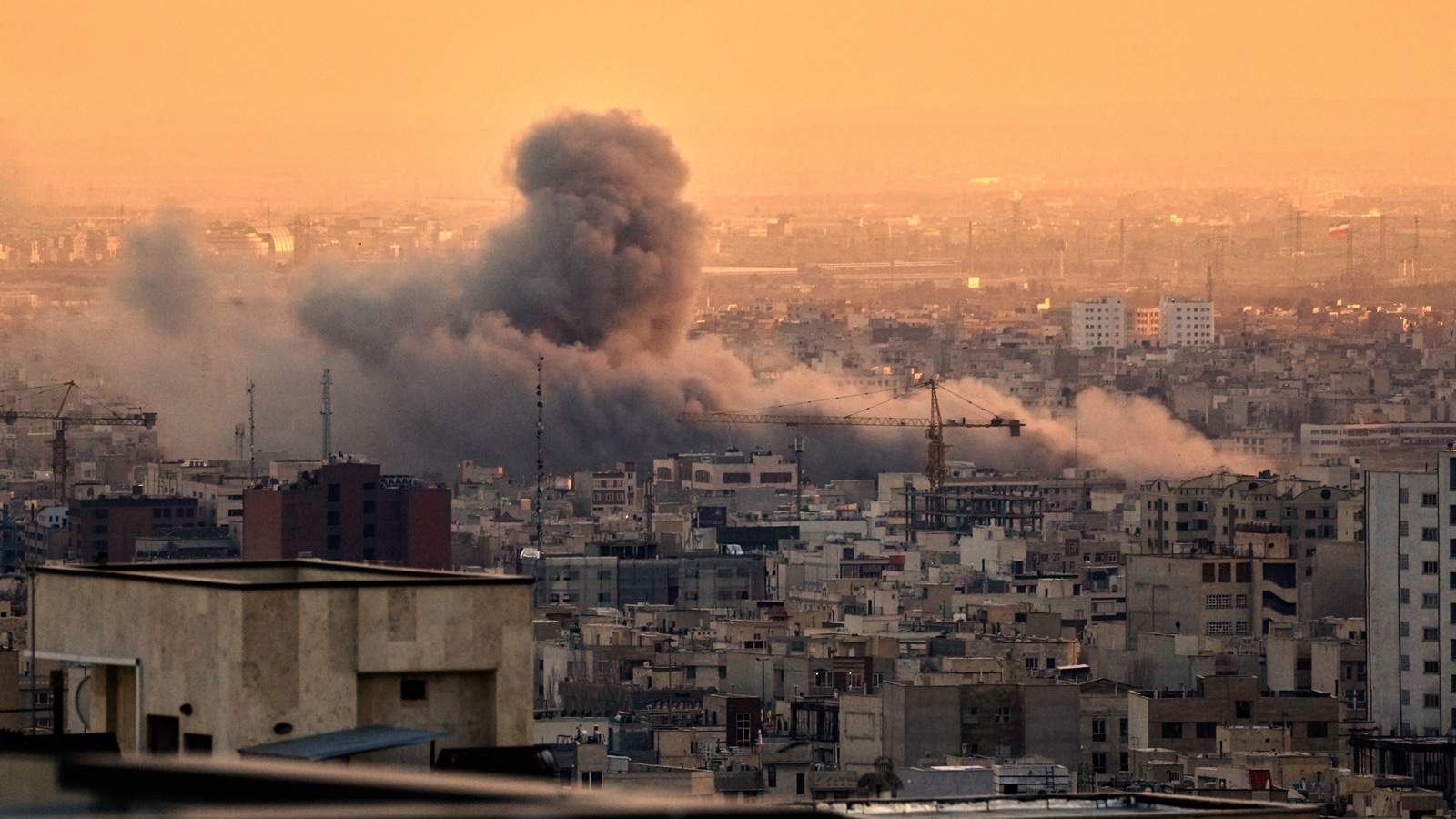
On Monday night, the US military launched targeted strikes in southern Iran, hitting missile launch sites and boats allegedly trying to lay fresh naval mines. Iran called the attack a blatant violation of the April 8 ceasefire. Their Revolutionary Guard claimed they shot down an American MQ-9 drone in retaliation. Oil prices instantly jumped 4%.
By any normal historical standard, the talks should be dead. But they aren't.
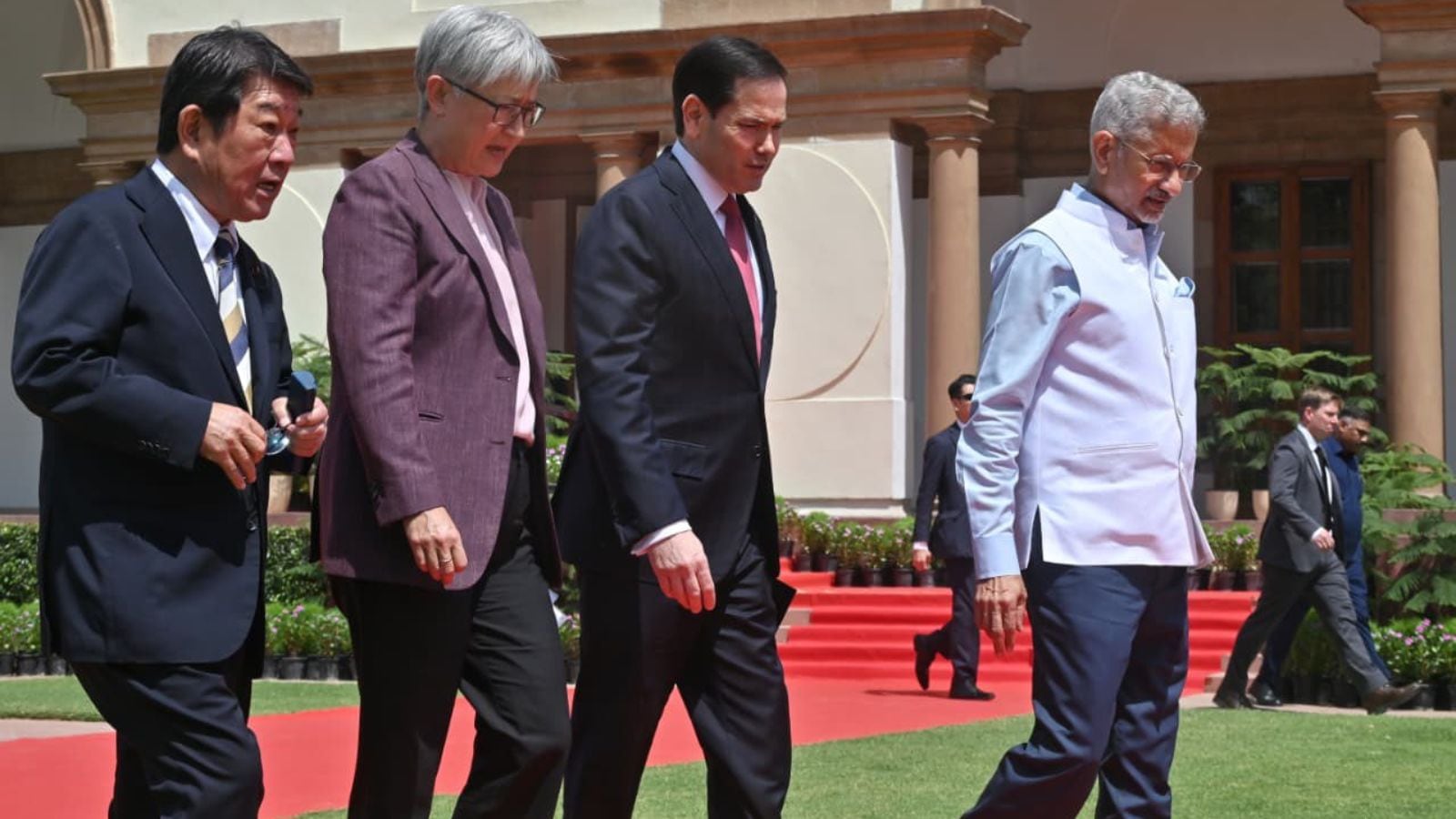
Iran's chief negotiator and parliamentary speaker, Mohammad Bagher Ghalibaf, didn't pack his bags and storm out of Doha. Instead, back-channel diplomatic wheels are turning faster than ever. US Secretary of State Marco Rubio openly admitted that discussions over a formal memorandum of understanding will continue, noting it will just take a few more days to hammer out specific language.
This isn't a sign of diplomatic goodwill. It's pure, cold desperation from both sides. Neither Washington nor Tehran can afford for this war to resume, and both are willing to absorb military hits if it means getting what they actually want at the negotiating table.
The High-Stakes Leverages in the Strait of Hormuz
To understand why the ceasefire hasn't collapsed, look at a map. The entire conflict hinges on the Strait of Hormuz. When the US and Israel launched massive joint strikes on February 28—killing Iran's previous supreme leader and throwing the country into chaos—Tehran pulled its ultimate economic lever. They mined the strait and shut down a waterway that handles roughly 20% of the world's liquefied natural gas and petroleum.
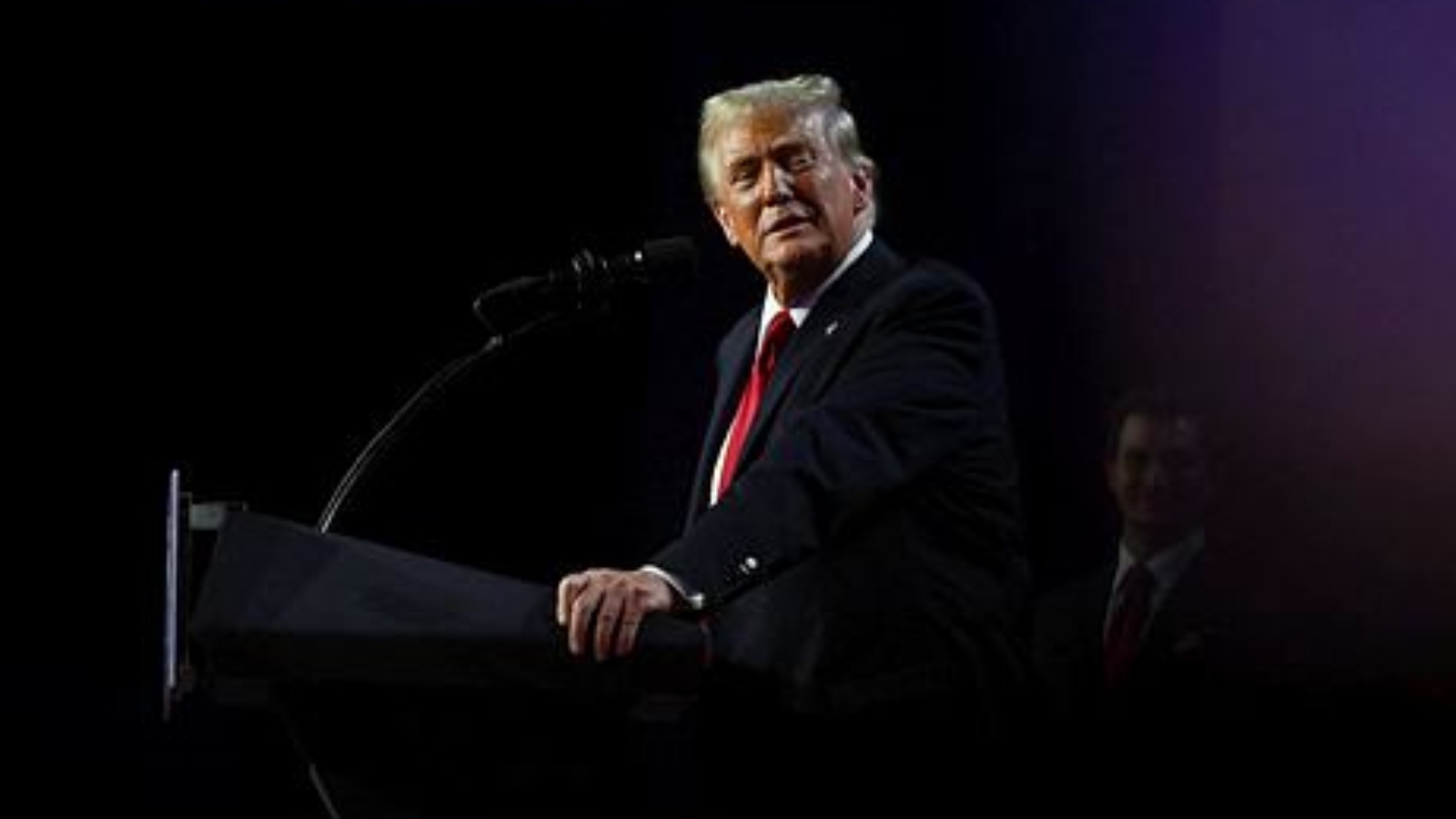
That shutdown triggered an immediate global energy shock. It's the primary reason Donald Trump pivoted from promising to "blast Iran into oblivion" to extending a temporary, Pakistan-mediated ceasefire indefinitely on April 21.
The weekend before the latest strikes, Trump posted on Truth Social that talks were "proceeding nicely," but warned that the alternative was a return to the battlefront.
US-Iran Ceasefire Framework (Doha/Islamabad Negotiations)
──────────────────────────────────────────────────────────
• Phase 1: Temporary pause to halt active nationwide bombing
• Phase 2: A 60-day window to negotiate a permanent settlement
• Shipping: Gradual removal of Iranian naval mines without transit fees
• Nuclear: Commitments to dilute or export highly enriched uranium stockpiles
• Finance: Phased unfreezing of $12 billion in overseas Iranian assets
Monday's US strikes weren't an attempt to restart the full-scale war. US Central Command spokesperson Tim Hawkins explicitly framed them as "self-defense" to stop Iran from laying new mines. Essentially, the US used military force to protect the core precondition of the peace deal: the reopening of the shipping lanes. Iran understands this reality. They know that if they completely seal the strait again, the bombs won't just target isolated missile launchers—they will target the entire state infrastructure.
What Iran is Willing to Trade
Tehran isn't staying at the table out of fear alone. They are staring down a massive economic black hole.
Ghalibaf and Iranian Foreign Minister Abbas Araghchi are laser-focused on one specific number: $12 billion. That is the volume of frozen Iranian assets sitting in overseas accounts that the US has signaled a willingness to unfreeze. For an Iranian economy battered by the 2026 war, sudden access to $12 billion alongside temporary sanctions relief for oil and petrochemical exports is a matter of regime survival.
The new domestic leadership in Tehran, now operating under Mojtaba Khamenei, wants to spin this upcoming agreement as a historic victory of resistance. To get that cash, they are willing to make concessions that previously seemed impossible.
According to officials briefed on the Doha talks, Iran is prepared to stop charging transit fees through the strait during the 60-day negotiation window. More importantly, they are talking about the unthinkable: either destroying their highly enriched uranium stockpiles on-site under international supervision or turning them over entirely to the United States.
It is a massive geopolitical gamble, and it's drawing fierce domestic blowback on both sides.
The Secret Pressures Pulling the Strings
While Rubio and Ghalibaf talk logistics, regional allies are trying to rip the table apart.
Israeli Prime Minister Benjamin Netanyahu threw a wrench into the diplomatic narrative on Monday by announcing that Israel is aggressively intensifying its military operations in Lebanon. Netanyahu openly stated that Israel is pressing the pedal harder against Hezbollah, striking over 70 targets in a single day.
This creates a massive problem for Tehran. Iran has consistently demanded that any long-term peace agreement with Washington must include a security umbrella for Lebanon. By escalating the fight against Hezbollah, Israel is testing Iran's resolve. Netanyahu wants to see if Tehran will sacrifice its regional proxies to secure its own financial survival.
Back in Washington, Trump faces intense pressure from conservative hawks who view the emerging deal as a catastrophic surrender. Israeli opposition leaders have already labeled the draft proposal "bad for the region." Trump's sudden rare cabinet meeting at Camp David is a direct response to this internal political friction. He needs to convince his own administration that he's forcing a "Great Deal" rather than giving Iran an economic lifeline.
Read the Room Before Making Next Moves
If you are tracking this crisis for global supply chains, energy investments, or geopolitical risk mitigation, don't let the headlines fool you. The overnight strikes look like escalation, but they are actually a twisted form of enforcement.
- Look past the rhetoric: Ignore the aggressive Telegram posts from Tehran and the bombastic social media updates from Washington. Focus entirely on the physical status of the Strait of Hormuz and the movement of the $12 billion in frozen assets.
- Expect localized volatility: More minor skirmishes, drone shoot-downs, and localized proxy attacks in Lebanon will happen over the next week. These are leverage plays meant to alter specific clauses in the text before signing.
- Watch the Camp David outcome: The true indicator of whether this deal crosses the finish line will be the consensus—or lack thereof—that emerges from Trump's rare Maryland retreat. If the administration holds a unified front, a formal 60-day pause will likely take effect by June.