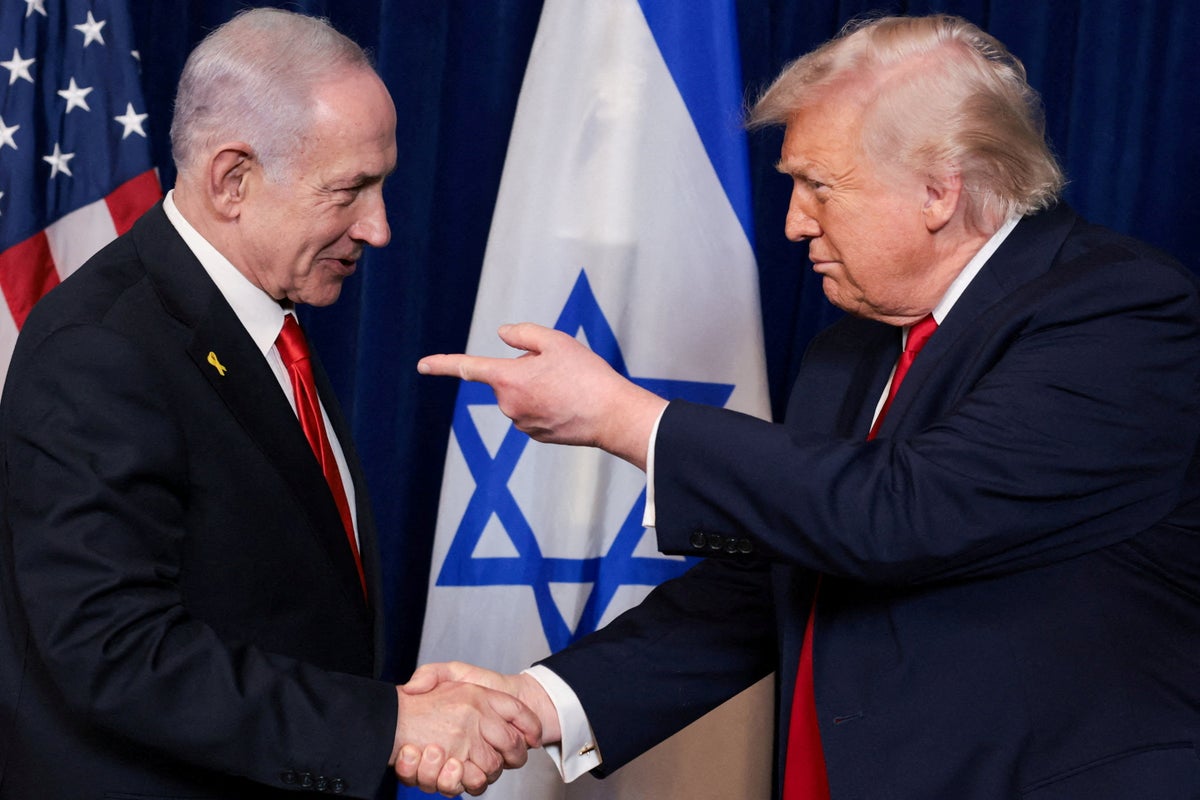
The media is buying into the theater of the grand bargain again. Mainstream commentators are breathlessly analyzing Donald Trump's latest Truth Social decree, where he declared it "mandatory" for Saudi Arabia, Qatar, Pakistan, Turkey, Egypt, and Jordan to simultaneously sign the Abraham Accords as a condition for any final Iran peace deal. The talking heads treat this as a masterstroke of maximalist diplomacy. They claim it is a brilliant move to force a total regional reset, isolate Tehran, and secure a legacy.
They are completely wrong.
I have watched administrations try to engineer these sweeping, multi-variable diplomatic architecture plays before. They fail for a simple reason: you cannot trade a hot wartime exit for a structural regional realignment. By demanding that Islamabad, Riyadh, and Ankara fundamentally reverse decades of foundational foreign policy overnight—with zero concessions on Palestinian statehood—the administration isn't strengthening its hand against Iran. It is handing Tehran the ultimate escape hatch from a war it was losing.
The Fatal Flaw of Conflating a Ceasefire with Regional Normalization
The competitor press views the Abraham Accords as a plug-and-play modular component. They assume that because the United Arab Emirates and Bahrain signed on in 2020, you can simply scale the model up by adding more countries to the list under intense pressure. This reveals a profound misunderstanding of why those original accords worked in the first place.
The 2020 agreements were built on quiet, pre-existing intelligence and commercial partnerships. They were transactions between states that faced no immediate internal or external security crises.
What is happening right now in 2026 is entirely different. We are in the middle of a hot conflict sparked by the February US-Israel military campaign against Iran. The primary objective of the current negotiations in Islamabad—mediated by Pakistan’s Prime Minister Shehbaz Sharif and Field Marshal Asim Munir—is highly tactical:
- Reopen the blockaded Strait of Hormuz.
- Secure a permanent ceasefire.
- Establish a 60-day window to dismantle Iran's highly enriched uranium stockpile.
- Unfreeze $25 billion in Iranian assets to stabilize global oil markets.
By dumping a massive, politically combustible demand like mandatory recognition of Israel into a fragile wartime negotiation, the administration has committed a classic rookie error in high-stakes dealmaking: it over-leveraged the asset.
Why Pakistan and Saudi Arabia Will Not Blink
To understand why this strategy will collapse, look at the internal mechanics of the nations Trump targeted on his Saturday conference call. The lazy consensus assumes these capitals can be bullied into submission by threats of "severe repercussions" from Washington hawks like Senator Lindsey Graham.
The Pakistan Paradox
Pakistan is currently acting as the central mediator in these peace talks. Yet, Trump is demanding they formally recognize Israel. This is a country where opposition to normalization is woven into the constitutional fabric. Former Prime Minister Imran Khan famously stated from his jail cell that his conscience would never allow it, reflecting a deep-seated domestic consensus. For Field Marshal Munir, signing the Abraham Accords isn't a diplomatic pivot; it is an immediate ticket to domestic instability and political suicide. The administration is asking the mediator to light itself on fire to guarantee a deal.
The Saudi Red Line
Saudi Crown Prince Mohammed bin Salman made his terms explicit during tense Oval Office meetings last November: no normalization without a clear, irreversible path to a two-state solution with an independent Palestinian state. Israeli Prime Minister Benjamin Netanyahu’s government is avowedly opposed to this. By demanding Saudi Arabia bypass this requirement while Gaza remains under reconstruction and the region is highly volatile, the US is asking Riyadh to abandon its leadership position in the Islamic world for nothing in return.
| Country | Status of Israel Relations | Stated Condition for Normalization | Likelihood of Joining Under Pressure |
|---|---|---|---|
| Saudi Arabia | None | Irreversible path to Palestinian statehood | Extremely Low |
| Pakistan | None | Resolution of Palestinian sovereignty | Zero |
| Turkey | Recognized (1949) | Openly hostile to current Israeli military policy | Zero (Already recognizes, won't join Accords) |
| Qatar | None | Two-state solution based on 1967 borders | Low |
| Egypt / Jordan | Recognized Decades Ago | Already have peace treaties; Accords are redundant | High (Irrelevant to expansion) |
How This Move Hands the Victory to Tehran
The real danger of this maximalist position is that it completely miscalculates Iran’s leverage. Hardline Republicans are terrified that the emerging peace plan looks too much like Barack Obama's 2015 nuclear deal, offering sanctions relief and asset unfreezing without completely destroying the regime's capabilities. They want a total capitulation.
But Iran’s greatest weapon has always been its ability to endure economic pain while weaponizing regional sentiment.
Imagine a scenario where the US holds the line, refusing to sign the peace treaty or lift the maritime blockade unless Pakistan and Saudi Arabia sign the Abraham Accords. What happens next?
- The Strait Remains Closed: The Strait of Hormuz stays shut, choking off 20% of global energy supplies.
- Global Energy Shock: Gas prices spike globally, putting immense pressure back on Washington, not Tehran.
- Iran Claims the Moral High Ground: Iran successfully frames the continuation of the war not as a dispute over its nuclear ambitions, but as a defense of Islamic solidarity against an American attempt to force a pro-Israel alignment on the region.
Instead of isolating Iran, this demand isolates the United States from its own regional allies. It allows Iranian negotiators to tell the Pakistani and Qatari mediators: "We came to the table ready to give up our uranium and open the shipping lanes, but Washington cared more about Israel's diplomatic recognition than global economic stability."
Stop Chasing the Grand Bargain
The obsession with the "Grand Bargain" is the ultimate trap of modern foreign policy. It stems from a desire to achieve historical symmetry—a clean, cinematic ending where old enemies shake hands on the White House lawn and a Nobel Peace Prize is secured.
Real-world security operations don't work that way. I have seen strategic initiatives implode because leaders couldn't resist adding one more line item to the ledger. You do not resolve a 47-year-old revolutionary cold war, a nuclear standoff, a global shipping crisis, and the Israeli-Palestinian conflict in a single, multi-signatory social media post.
The current deal on the table is already a high-wire act. Forcing Iran to roll back its enrichment program in exchange for $25 billion and a 60-day ceasefire is a messy, transactional, imperfect arrangement. It satisfies absolutely no one. Hardliners like Mike Pompeo will call it a capitulation. Israeli hawks will warn it creates "Bibi’s bomb."
But it is the only deal that reopens the Strait of Hormuz and stops the missiles from flying.
By tying the survival of this peace plan to a forced expansion of the Abraham Accords, the administration is sabotaging its own exit strategy. They are trading a tangible, enforceable security agreement for a diplomatic fantasy.
When you demand everything in a negotiation, you usually walk away with nothing. The administration needs to drop the theatrical ultimatums, accept the messy reality of the Islamabad draft, and sign the deal before the regional coalition they think they are commanding falls apart completely.