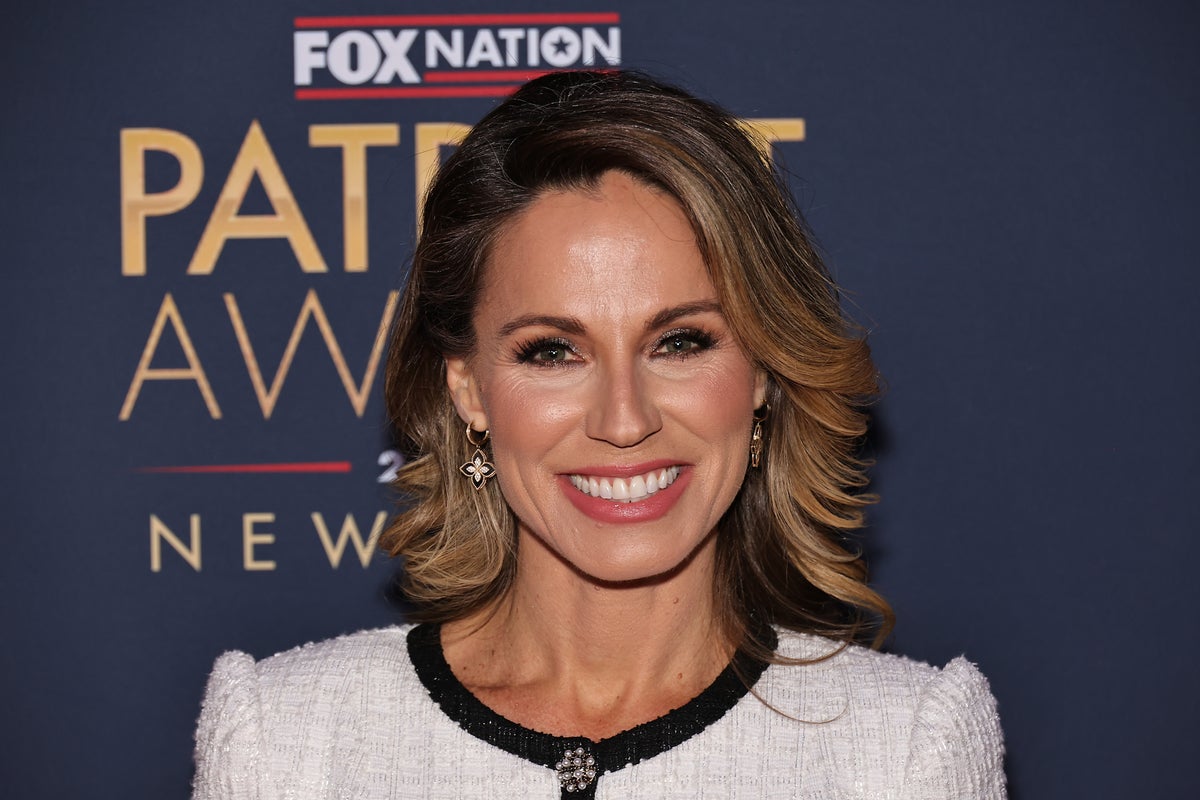
Cleaning up a digital footprint is the new pre-employment screening for the MAGA era. If you’re Nicole Saphier, the President’s third pick for Surgeon General, you aren’t just preparing for a Senate hearing; you’re engaged in a frantic game of digital hide-and-seek. It’s a pattern we’ve seen play out across the administration, where past critiques of the "agenda" or the President’s "fitness" suddenly vanish the moment a formal nomination hits the wire.
The reality is that loyalty in 2026 isn't just about what you do today; it’s about erasing who you were yesterday. Saphier, a familiar face from Fox News, follows a trail of abandoned nominations. First came Janette Nesheiwat, then Casey Means. Now, as the third person to step into the ring for the nation's top doctor spot, the stakes involve more than just medical credentials. They involve a scrub brush for her social media history.
The digital scrub and the loyalty test
You’ve probably seen this movie before. A nominee gets the tap on the shoulder, and within hours, their X (formerly Twitter) feed looks like a freshly bleached floor. For Saphier, the deletions weren't just about embarrassing old photos or hot takes on pop culture. They targeted specific instances where she had previously questioned the very policies she’s now expected to champion.
It’s not just a Saphier problem. We saw this with Jeremy Carl, a top State Department nominee who deleted roughly 5,000 posts. When the "peaceful coexistence is impossible" rhetoric or questions about presidential temperament start to conflict with a paycheck and a Title 42 appointment, the "delete" key becomes a nominee's best friend.
Why does this matter? Because it suggests that the vetting process isn't about finding the best person for the job—it's about finding the person most willing to pretend they never had a dissenting thought.
Why medical experts are folding
It’s particularly jarring when you look at the healthcare picks. Doctors like Saphier or FDA Commissioner Marty Makary are supposed to be guided by data, not directives. Yet, we're seeing a massive shift in how these experts present themselves.
Makary himself has been under fire recently, caught between his academic roots at Johns Hopkins and the political demands of the White House. He’s been scowled at by Trump for moving too slowly on "saving" vaping and has clashed with HHS Secretary Robert F. Kennedy Jr. over vaccine oversight. The pressure to conform is immense. When you’re the third choice for Surgeon General, like Saphier is, you know exactly what happened to the first two. You don't want to be the third strike.
The deletions usually fall into three categories:
- Direct critiques: Anything that suggested the President wasn't fit for office or lacked the temperament for the job.
- Policy pivots: Past support for standard vaccine schedules or public health mandates that clash with the current "Make America Healthy Again" (MAHA) skepticism.
- Inter-factional sniping: Removing posts that might offend powerful allies like RFK Jr., who now holds significant sway over the health agencies.
The cost of disappearing dissent
Honestly, it’s kinda exhausting to watch. We want experts who have the backbone to tell the truth, even when it’s inconvenient. But the current climate rewards the "scrub." When Saphier deletes posts critical of the agenda, she’s signaling that her previous professional judgment is for sale—or at least, for rent.
This creates a vacuum of trust. If a nominee is willing to erase their past thoughts to get a job, how can we trust the advice they give once they have it? We're heading into a period where the Surgeon General’s office might be more focused on political messaging than actual public health outcomes.
What this means for the Senate hearings
The Senate HELP Committee isn't stupid. They have the archives. They have the screenshots. Saphier’s hearing won't just be about her views on cancer screening or obesity; it’ll be a forensic audit of her deleted history.
- Expect the "Evolution" Defense: She’ll likely argue that her views "evolved" as she gained more information. It's the classic Washington pivot.
- The "Context" Play: Nominees love to say their words were taken out of context. It’s harder to claim that when you’ve deleted the entire conversation.
- The Loyalty Vow: To survive the MAGA vetting, she’ll have to double down on the President’s current vision, likely disavowing her old skepticism entirely.
Stop expecting consistency
If you're waiting for a nominee to stand by their old critiques, don't hold your breath. The incentive structure is broken. In 2026, the digital footprint is a liability, and "authenticity" is a fireable offense. Saphier is simply doing what’s necessary to survive the confirmation gauntlet.
The real question isn't why they're deleting the posts. It’s why we’re surprised.
If you want to keep track of these shifts, start following the Internet Archive’s Wayback Machine more than the actual live feeds of these nominees. That’s where the real history lives. Pay attention to the gap between what they said as private citizens and what they say under the bright lights of a Senate hearing. That gap is where the truth usually hides.
Keep an eye on the Saphier confirmation. If she makes it through, it’ll be a blueprint for every nominee who ever dared to have an independent thought before 2024. Check the archives, save the screenshots, and don't let the "delete" key win.
Trump's Health Nominees and the Social Media Scrub
This video provides context on the revolving door of Trump's health nominations and the specific challenges Nicole Saphier faces as the third pick for the role.