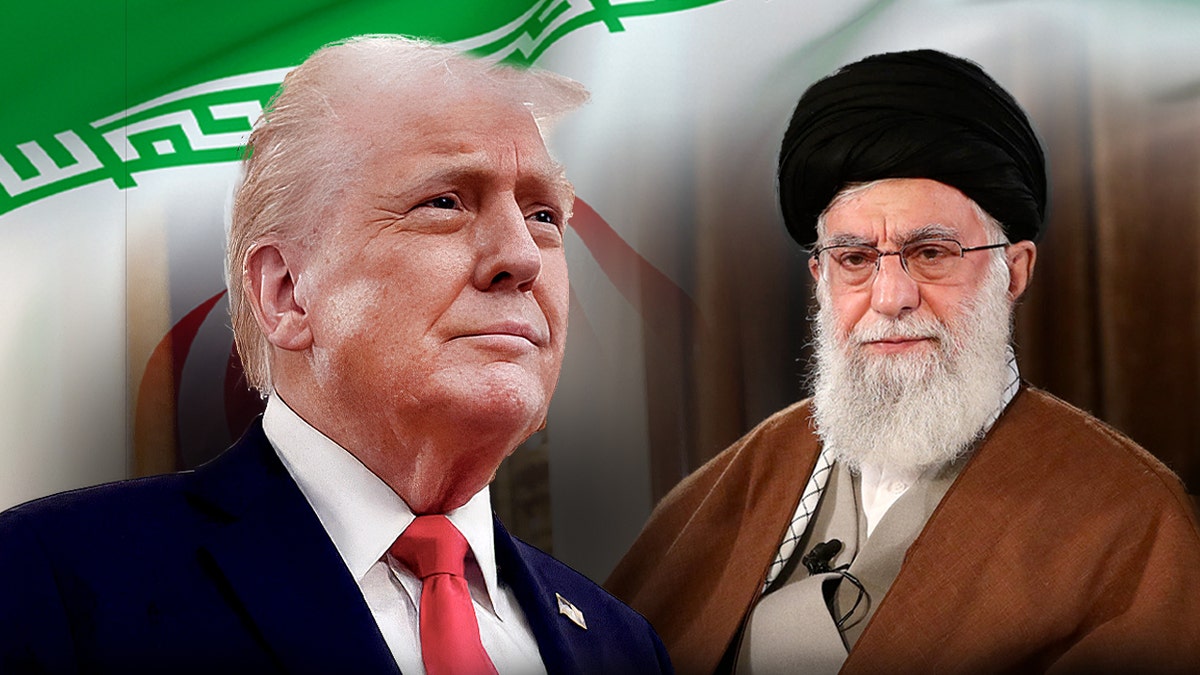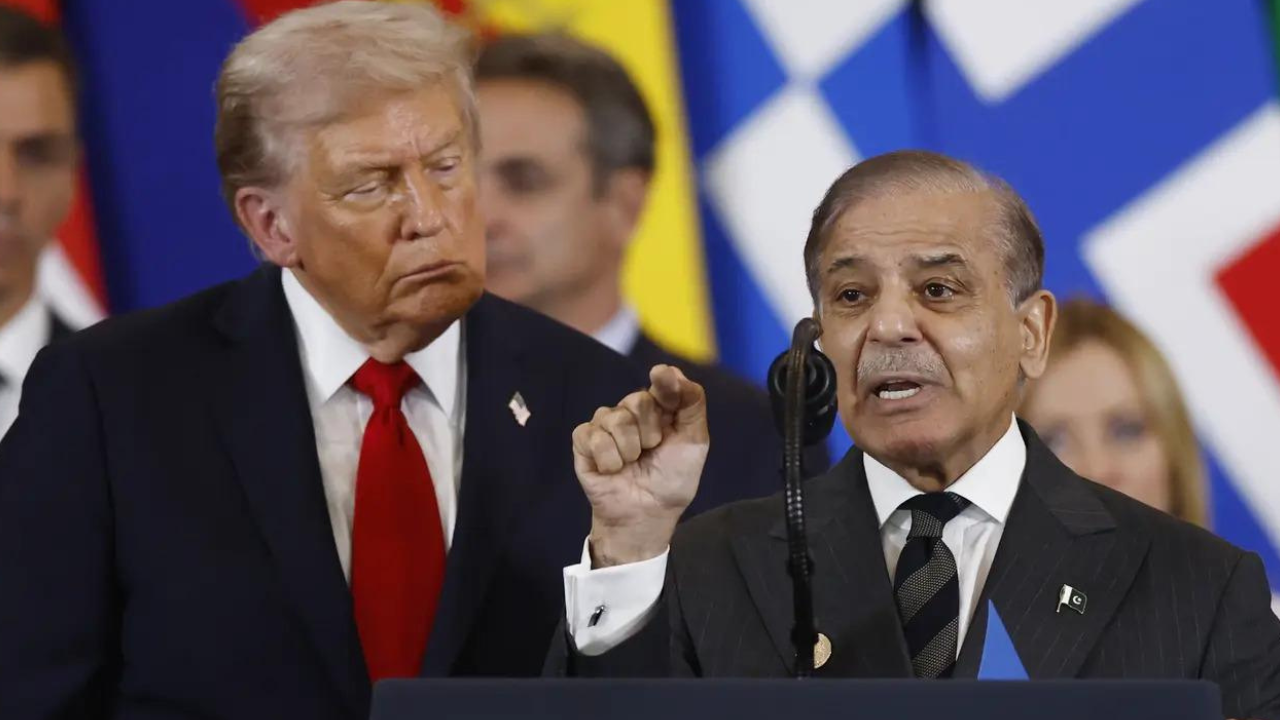
Donald Trump just did a complete 180 on his Iran strategy, and he has Pakistan to thank for it. Just hours after telling the press he "expected to be bombing," the U.S. President pulled back from the brink. He didn't just pause; he extended a critical ceasefire indefinitely.
This isn't just another headline about a temporary truce. It's a massive diplomatic win for Islamabad. Prime Minister Shehbaz Sharif and Field Marshal Syed Asim Munir personally reached out to Trump to keep the missiles on the rails. When Sharif says he's grateful for the "trust and confidence reposed" in Pakistan, he isn't just using diplomatic fluff. He's signaling that Pakistan has successfully positioned itself as the only bridge between a bellicose White House and a fractured Iranian regime.
Pakistan pulls the world back from a massive explosion
If you've been following the news, the tension was thick enough to cut. The previous ceasefire, brokered on April 8, was ticking toward a Tuesday deadline. The global energy markets were shaking. Everyone expected the worst. Then, the Pakistani leadership stepped in.
Trump’s decision to listen to Munir and Sharif is a rare moment of direct influence from Islamabad on American military policy. It’s not often a U.S. President admits he’s holding off on an attack specifically because another country’s leaders asked him to. This isn't the behavior of a leader who doesn't care about alliances. It’s a calculated move. Trump wants a "great deal," and he knows he can’t get it if the negotiation table is on fire.
Why Trump is betting on Islamabad
You might wonder why Trump, who often prefers "America First" unilateralism, is giving so much credit to Pakistan right now. It comes down to pragmatism. Iran’s government is currently seen as "seriously fractured" by the White House. They don't have a single voice to talk to.
Pakistan fills that void. By acting as the mediator for the second round of talks in Islamabad, Sharif is offering Trump a controlled environment to squeeze out a "Peace Deal".
- Logistics: Pakistan provides a neutral ground that neither the U.S. nor Iran completely hates.
- Military weight: Having Field Marshal Asim Munir involved gives the U.S. confidence that the "security" side of the deal is backed by real muscle.
- Personal rapport: Sharif has managed to navigate Trump’s personality-driven diplomacy without getting burned.
The stakes couldn't be higher. Trump is still keeping the blockade active, claiming Iran is losing $500 million every single day. He’s using the ceasefire as a leash, not a release. He’s basically saying, "I’ll stop the bombs, but I’m still strangling the economy until you give me a unified proposal".
The risky road to the Islamabad Peace Deal
Don't think for a second that this is a done deal. Iran’s response has been cold. Mohammad Bagher Ghalibaf’s camp is already calling the extension a "ploy to buy time for a surprise strike". They aren't wrong to be skeptical. Trump’s mood shifts faster than the weather.
One day he’s "raring to go" and the next he’s praising the "trust" he has in the Pakistani PM. For the Islamabad talks to actually happen, Sharif has to convince Tehran that Trump is serious about a deal and not just looking for a better angle for an airstrike.
It’s a high-wire act. If the second round of talks in Islamabad fails, the ceasefire likely dies with it. Pakistan has put its reputation on the line here. If they can’t deliver a "unified proposal" from the Iranians, Trump will almost certainly return to his "expecting to be bombing" stance.
What happens if the truce holds
If you’re looking for a silver lining, it’s that the ceasefire extension has eased the immediate fear of a global economic meltdown. Oil prices don't like war in the Middle East. For now, the world can breathe.
But the "Peace Deal" Sharif mentioned isn't just about stopping a war; it’s about a permanent end to the conflict. That requires more than just thanks on X (formerly Twitter). It requires the U.S. to lift the blockade and Iran to stop its regional escalations.
Keep an eye on the upcoming Islamabad summit. If JD Vance actually shows up—his trip was recently on hold—you'll know the deal is real. If the talks are delayed again, the "trust and confidence" Sharif talked about will evaporate.
Right now, your move is to watch the rhetoric coming out of Tehran. If they don't send a delegation to Islamabad soon, this "extended" ceasefire might be the shortest "indefinite" pause in history. Don't wait for a formal announcement to see which way the wind is blowing; watch the military movements in the Strait of Hormuz. That’s where the real answer lies.