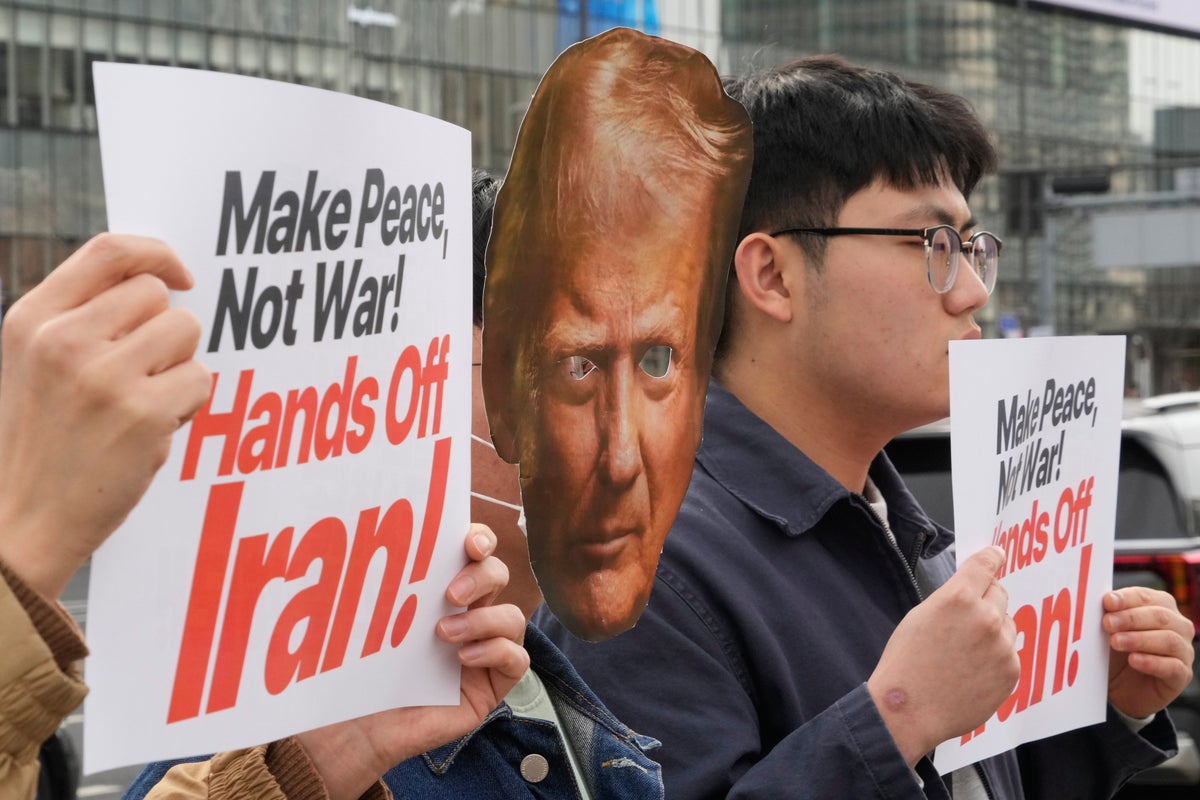
Donald Trump just flipped the script again. After a weekend of high-intensity strikes that reportedly leveled command centers and ended the era of Supreme Leader Ayatollah Ali Khamenei, the President says he’s ready to sit down. This isn't just another headline. It’s a whiplash moment in a conflict that looked like it was heading for a decades-long occupation.
You’d think a "bomb-blitzed" nation would be the last place looking for a handshake, but the reality on the ground in Tehran is changing faster than the news cycle can track. Operation Epic Fury didn't just break windows; it broke the back of the old guard. Now, with a "new potential leadership" emerging from the smoke, Trump is signal-boosting a diplomatic off-ramp. Recently making waves in related news: The Kinetic Deficit Dynamics of Pakistan Afghanistan Cross Border Conflict.
The strategy of overwhelming leverage
Most people think you can’t bomb a country into a deal. Trump’s betting his presidency that you can. By Sunday, the White House was already confirming that some form of "new leadership" in Iran had reached out. The message? They want to talk. And in typical fashion, Trump told The Atlantic that he’s agreed.
This isn't the same Iran we dealt with in 2015 or even 2024. The June 2025 strikes already crippled the enrichment sites at Fordow and Natanz. This latest round, which involved B-2 stealth bombers and a joint effort with Israel, targeted the very people who sign the checks for the "Axis of Resistance." When the command structure vanishes overnight, the survivors tend to find their voices. Further details regarding the matter are detailed by Al Jazeera.
I’ve watched these cycles before, where "maximum pressure" is treated as a slogan. Right now, it’s a physical reality. Two aircraft carrier strike groups, the Abraham Lincoln and the Gerald R. Ford, are sitting in striking distance. Trump’s "armada" isn't just there for a photo op; it’s the shadow sitting at the negotiating table.
What the new leadership actually wants
Why would a decimated regime want to talk to the guy who ordered the hits? It’s simple: survival. The Iranian people have been hitting the streets for months, mourning 32,000 of their own killed in crackdowns earlier this year. They aren't just tired of the regime; they’re done with it.
The "new potential leadership" mentioned by White House officials likely represents a pragmatic wing of the remaining bureaucracy or military. They’ve seen the "Death to America" strategy fail. They’ve seen the nuclear program they spent billions on turned into craters. Their goals are basic:
- Sanctions relief: The economy is in a freefall that makes the 2018 era look like a boom time.
- Regime preservation: They want to stay alive and in some semblance of power, even if it means a "North Korea style" total freeze.
- Ending the blockade: Trump’s secondary tariffs on anyone buying Iranian oil have basically turned the country into a closed circuit.
The Witkoff and Kushner factor
Don't look at the State Department for the real movement here. The heavy lifting is being done by Steve Witkoff and Jared Kushner. They’ve been working back channels in Geneva and Oman for weeks. While the public saw fire and fury, the private channels were discussing "token enrichment" and critical mineral rights.
There’s a massive misconception that this is just about bombs. It’s about a business deal. Reports suggest Iran offered investments in their gas reserves and mining rights just to get Trump to blink. He didn't blink—he launched the strikes—but he kept the phone line open. That’s the "Art of the Deal" applied to regional warfare. It's messy, it’s dangerous, and it’s exactly how Trump operates.
The sticking points that could ruin everything
Even with Khamenei gone, this isn't a guaranteed peace.
- The "Zero Enrichment" Demand: Secretary of State Marco Rubio is holding a hard line. No enrichment. Period. Iran's negotiators have historically called this a "fantasy."
- Ballistic Missiles: Trump is obsessed with the idea that Iran is building ICBMs that can reach the U.S. If the new guys don't hand over the blueprints and the hardware, the B-2s will stay in the air.
- The Proxies: Hezbollah and the Houthis are currently headless. If they go rogue and hit a U.S. carrier, the "talks" end before the first coffee is poured.
What you should watch for next
This isn't a "peace in our time" moment yet. It’s a tactical pause. If you're looking for the real sign of a breakthrough, watch the IAEA inspectors. If Iran opens the doors to Natanz and Isfahan for a full, unrestricted "anywhere, anytime" look at the rubble, the deal is real.
Don't expect a long, drawn-out process like the JCPOA. Trump doesn't have the patience for it, and the Iranian "new leadership" doesn't have the time. They’re facing a population that wants them gone and a President who’s proven he’ll use every tool in the shed.
If you want to track the stability of these talks, watch the movement of the USS Gerald Ford. If that carrier starts heading back toward the Atlantic, the deal is basically signed. If it stays in the eastern Mediterranean, the "talks" are just a cover for the next phase of the blitz. Keep an eye on the Omani mediators; they’re the only ones both sides actually trust to carry a message without changing the meaning.