The lazy consensus of the mainstream press is simple: blame the orange paint, blame the hurried schedule, and blame the White House ego for a peeling pool liner. When U.S. Attorney Jeanine Pirro moved to drop the felony vandalism case against former Olympic canoeist David Hearn, the media treated it as an open-and-shut humiliation for the administration. They rushed to crown the contractors innocent victims of bureaucratic scapegoating, pointing to botched application methods and hurried timelines.
They are wrong. Not just slightly mistaken, but fundamentally missing the mechanics of how high-stakes public infrastructure projects actually fail and get spun.
Let us look past the headline-chasing theater. The conventional narrative assumes that because a waterproofing liner can suffer from application errors, intentional sabotage is automatically ruled out. That is a logical fallacy of the highest order. In structural engineering and large-scale public project management, mechanical failure and malicious interference are not mutually exclusive. In fact, they love company.
The Anatomy of a Scapegoat Reversal
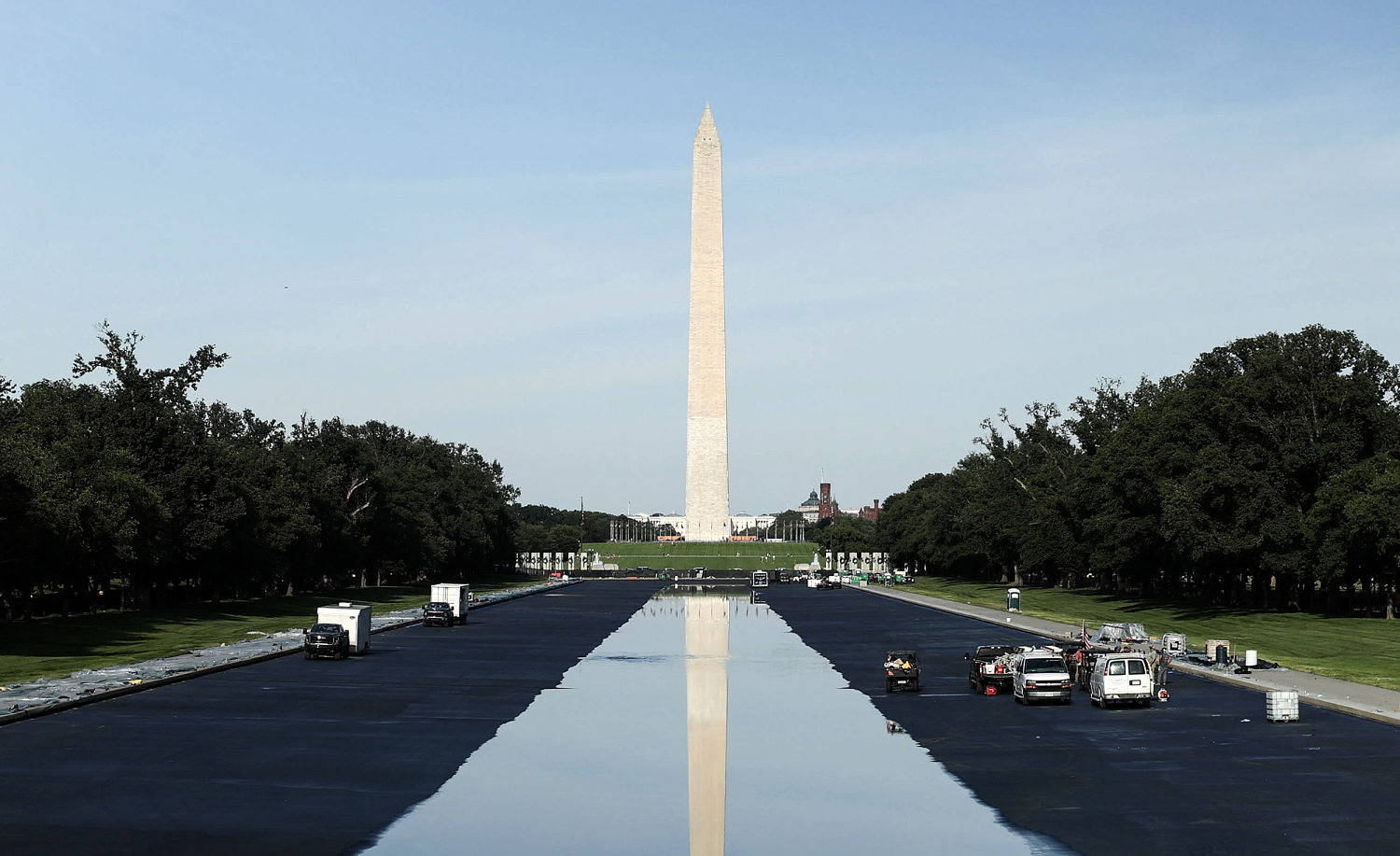
When a high-profile public asset like the Lincoln Memorial Reflecting Pool undergoes a rapid, multi-million dollar face-lift ahead of a national milestone, it becomes an immediate target for ideological friction. The Department of Justice initially indicted Hearn because evidence presented by the Department of the Interior suggested deliberate destruction. Days later, Pirro reversed course, citing newly surfaced documents from the Interior Department that pointed toward contractor error by Atlantic Industrial Coatings and an rushed timeline.
Suddenly, the narrative pivot was complete: the government blamed the builders, the media blamed the president, and an Olympian walked.
Except this ignores a basic reality of project execution under extreme public scrutiny. I have watched corporate boards and government agencies throw their own vendors under the bus to dodge institutional embarrassment more times than I can count. When a project hits the skids—costing upwards of $14 million while algae blooms and peeling liners become national punchlines—the easiest legal exit strategy for a prosecuting office is to blame physics rather than malice. It requires zero proof of intent, satisfies defensive bureaucrats, and closes a politically toxic file.
Contractor Blunder Meets Calculated Malice
To understand why Trump is entirely justified in rejecting Pirro’s about-face, you have to separate two distinct phenomena occurring simultaneously in that basin: baseline structural degradation and targeted human intervention.
Imagine a scenario where a contractor rushes the cure-time on a specialized epoxy or chemical coating to meet a hard calendar deadline. The material is already vulnerable. It is prone to bubbling. Now, drop hundreds of thousands of politically polarized tourists, activists, and bad actors into the immediate vicinity of the National Mall.
If a pool liner is marginally compromised due to speed-rush installation errors, it ceases to require a box cutter to destroy it; a simple pull, a localized pry, or a deliberate tear by an opportunistic vandal becomes infinitely easier. The contractor's sloppiness does not cancel out the vandal's malice. It invites it.
The legal standard for dropping a case—reasonable doubt—is not proof of innocence. Pirro’s office blinked because unearthing internal paperwork disputes between the National Park Service and the Interior Department created a messy evidentiary trail. Prosecutors hate messy trails. They prefer clean narrative exits. But abandoning a prosecution because inter-agency communication was "less than fulsome" is a far cry from proving no crime took place.
The Real Question Nobody is Asking
Why are we pretending that public monuments in Washington exist in a pristine vacuum of civic respect?
The presence of extraneous vandalism—such as targeted alphanumeric political markings etched into the surrounding turf—proves an active, hostile environment surrounding these renovations. When security footage captures individuals lingering over the basin manipulating the edges, dismissing the entire event as a mere manufacturing defect requires a willful suspension of disbelief.
The media wants you to believe this is a simple story of administrative hubris meeting reality. It is not. It is an administrative retreat driven by institutional self-preservation, wrapped in a legal filing to appease critics who never wanted the project touched in the first place.
Contractors cut corners. Bureaucrats cover tracks. And vandals test limits. Recognizing the first two does not mean you pretend the third never happened. Stop buying the clean narrative spin.