The foreign policy establishment is having a collective meltdown over the mere suggestion of a tripartite summit. Watch the mainstream pundits lose their minds on cable news, sweating through their tailored suits as they hyperventilate about protocol, optics, and the abandonment of traditional alliances. They treat diplomacy like an exclusive country club where unapproved guests are banned from entering. They want endless proxy wars, stale diplomatic communiques written by mid-level bureaucrats, and decades of frozen standoffs.
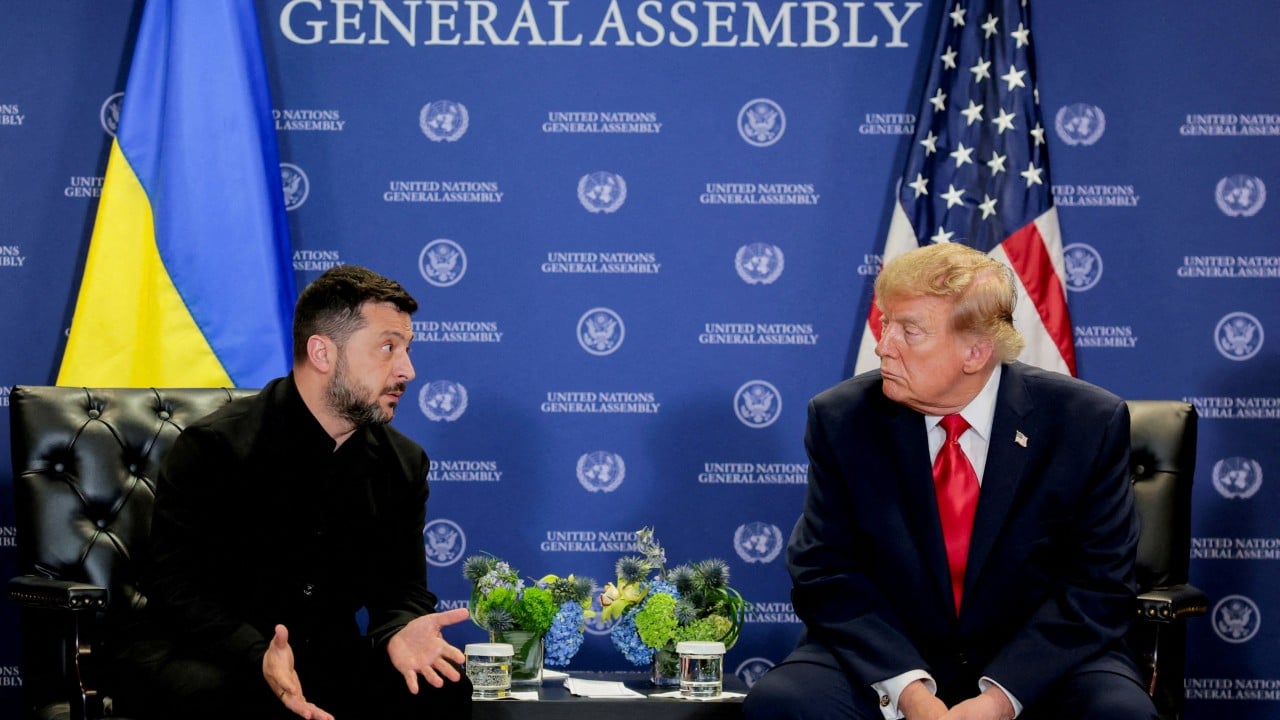
They are terrified because a direct room negotiation between Donald Trump, Vladimir Putin, and Xi Jinping bypasses the entire Washington and Brussels intermediary class. When diplomats lose their monopoly on talking, they lose their jobs, their relevance, and their ability to manufacture crises that justify defense budgets larger than the GDP of entire continents.
For thirty years, foreign policy elites operated under a comfortable delusion. They believed that global order required a unipolar hegemon handing down directives from Washington while obedient European vassals nodded along. That model is dead. It died in the mud of Eastern Europe and beneath the waves of the South China Sea. Pretending it still functions is not just naive; it is actively dangerous.
Look at the lazy consensus peddled by every major wire service and think tank. The standard narrative claims that meeting with adversaries grants them undue legitimacy, rewards aggression, and undermines multilateral institutions. This argument relies on a fundamental misunderstanding of how hard power actually works. Legitimacy is not a gift handed out by American presidents; it is a hard fact established on the ground. Putin controls Russian territory and energy reserves. Xi commands the industrial engine of East Asia. Refusing to sit at a table with them does not make them disappear. It merely ensures that American taxpayers pay the price for bureaucratic cowardice while other nations carve up the global economy without us.
Realism requires looking at the board as it is, not as international relations professors wish it to be. When leaders talk directly, the fog of proxy warfare burns off. You stop trading sanitized talking points and start trading leverage. Trump understands transactional diplomacy better than any career diplomat because he treats negotiations like business deals rather than religious crusades.
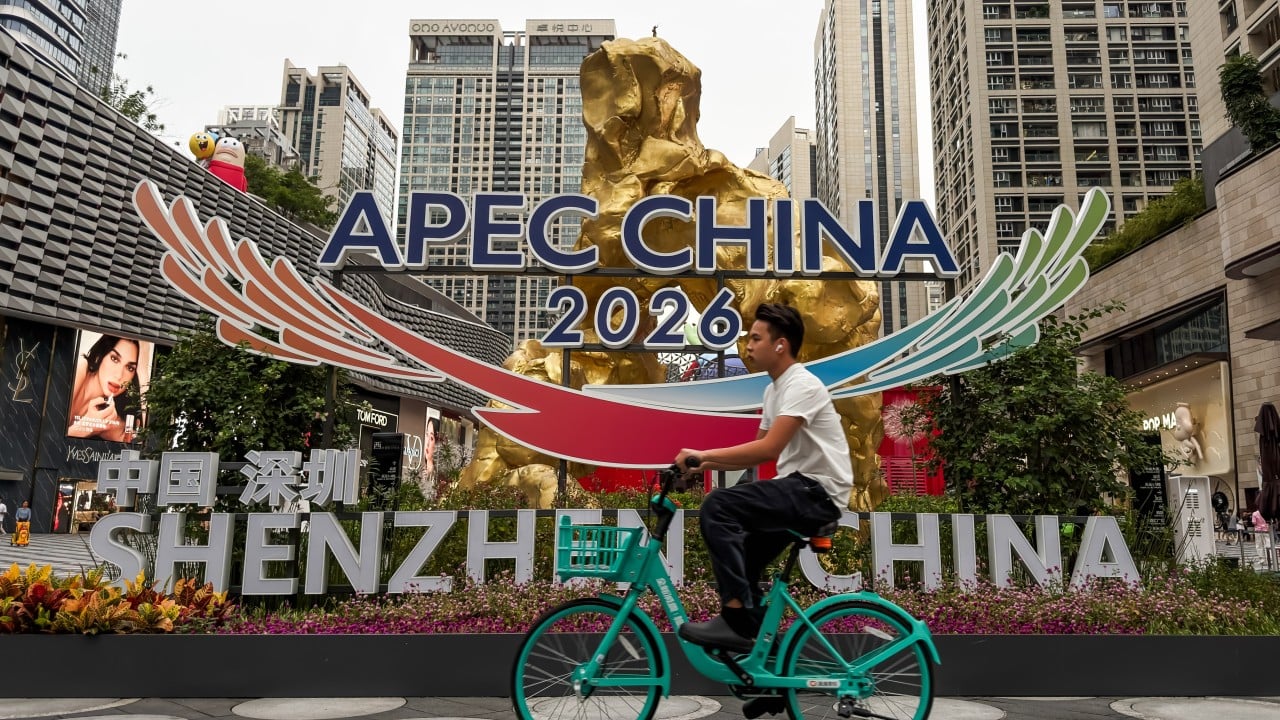
Critics shriek that a summit in Beijing or anywhere else would weaken American deterrence. The exact opposite is true. True strength does not hide behind press secretaries and conditional statements. It walks into the room, lays cards on the table, and calls bluffs. Weakness is hiding behind sanctions that enrich third-party intermediaries while European economies choke on energy costs. Weakness is funding endless conflicts with no clear exit strategy while domestic infrastructure crumbles.
Consider the mechanics of great power competition. When two economic heavyweights and a nuclear superpower share airspace, deals get cut. Territory gets partitioned or stabilized. Trade routes get locked down. Do not mistake this for moral approval. Statecraft is rarely about goodness; it is about survival, stability, and national interest. The moralists in Washington have spent decades turning the Middle East and Eastern Europe into smoking craters while preaching about rules-based orders that they violate whenever convenient.
The establishment fears this summit because it exposes the emptiness of their grand strategy. For decades, they promised that NATO expansion and perpetual confrontation would isolate Russia and contain China. Instead, it drove Moscow and Beijing into the tightest strategic embrace of the modern era. The sanctions regime meant to cripple Russia forged a parallel financial architecture that actively bypasses the US dollar. The containment strategy against China accelerated Beijing's push for technological and supply chain independence.
By any objective metric, the current diplomatic playbook is an unmitigated disaster. Yet the architects of this failure demand more of the same. They want more weapons shipped across oceans, more escalation risks, and more economic self-sabotage, all while insulated from the consequences in their suburban think tanks.
A direct trilateral meeting strips away the theater. It forces hard choices. If a deal is struck, it will reflect the brutal realities of modern power distribution. Ukraine will not recover every inch of lost territory through wishful thinking. Taiwan will remain a permanent flashpoint requiring delicate, hard-headed deterrence rather than rhetorical posturing. Energy markets will recalibrate based on output, not political punishments.
None of this fits neatly into a 30-second cable news segment or an op-ed in Foreign Affairs. It requires acknowledging that American dominance is relative, not absolute, and that managing decline or managing a multipolar transition requires agility rather than dogmatic stubbornness.
The critics screaming about diplomatic protocol are the same people who told you that inflation was transitory, that the Afghan army would hold, and that economic isolationism would crumble authoritarian regimes overnight. Their track record is a graveyard of failed predictions.
When the history of this decade is written, the turning point will not be the sterile communiques drafted by UN committees. It will be the moment leaders stopped hiding behind proxies, walked into a room, and dealt with reality on its own terms.
Get used to the idea. The alternative is a slow slide into irrelevance while the rest of the world negotiates our future without us.