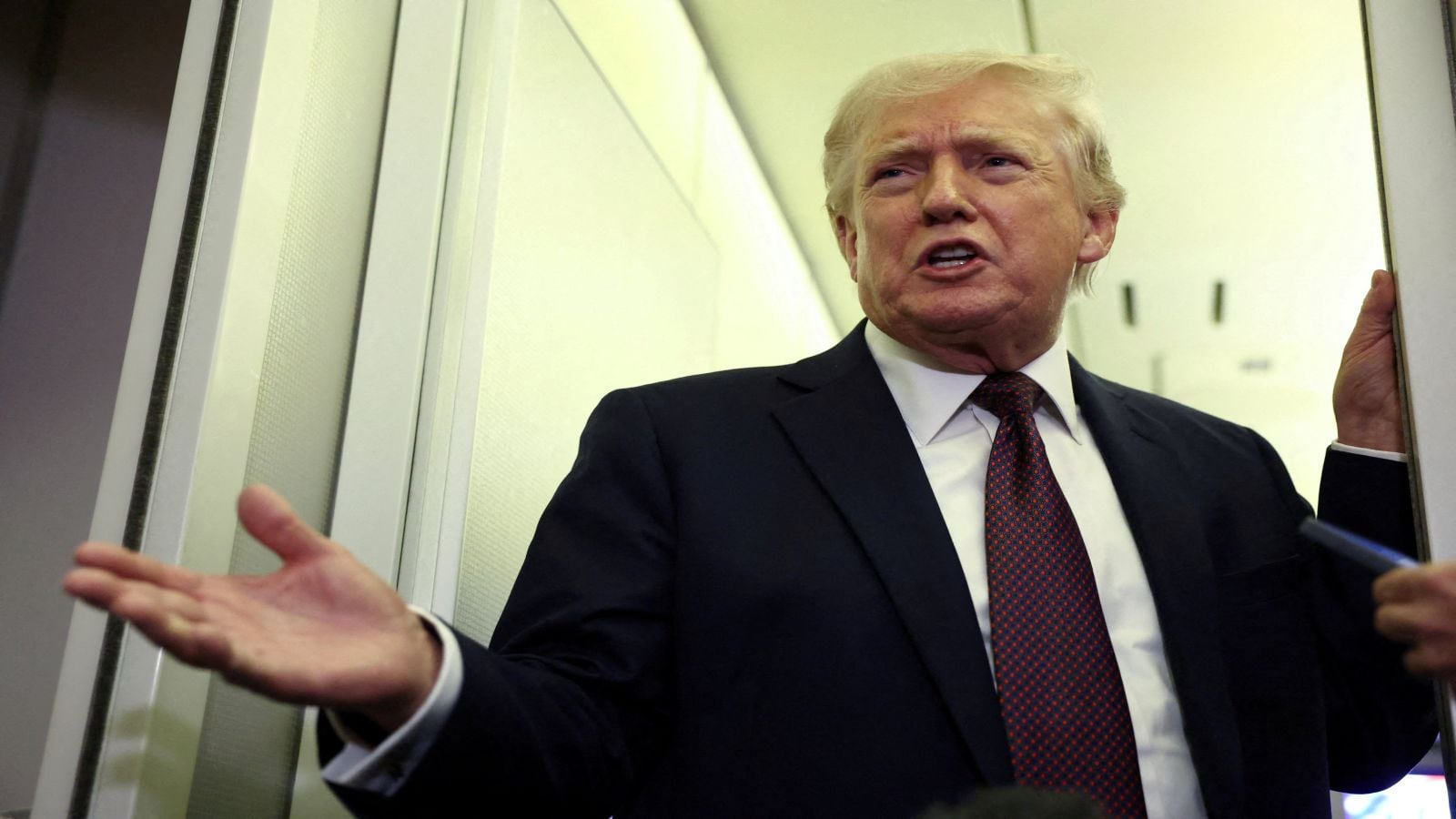
Donald Trump just did what everyone said was impossible, but it isn't a final victory lap yet. On Sunday, June 14, 2026, President Trump, Vice President JD Vance, and Iranian Parliament Speaker Mohammad Bagher Ghalibaf digitally signed a page-and-a-half memorandum of understanding. It halts a brutal military conflict that kicked off earlier this year, but the real fight is just beginning.
If you are trying to figure out whether this is a masterclass in dealmaking or a desperate geopolitical retreat, you aren't alone. The text isn't even fully public yet—Trump says we will see it after an in-person signing ceremony in Geneva this Friday—but both sides are already spinning wildly conflicting narratives about what they actually promised. Meanwhile, you can read related developments here: The Anatomy of De-escalation: A Brutal Breakdown of the US-Iran Framework.
The core of the deal looks simple on the surface. We get a 60-day ceasefire extension, a promise from Iran to stop seeking nuclear weapons, the lifting of the US naval blockade, and the immediate partial reopening of the critical Strait of Hormuz. In return, Iran gets a shot at recovering billions in frozen assets and sweeping sanctions relief.
But look closer and the fractures appear instantly. The Trump administration insists this is a strict, performance-based arrangement. Iran's hardliners are telling their public a completely different story. To see the full picture, we recommend the excellent analysis by BBC News.
The Battle Over Frozen Billions
The biggest immediate point of friction is the money. Iran has somewhere between $100 billion and $120 billion sitting frozen in foreign bank accounts across Qatar, Iraq, and Japan—wealth that piled up after Trump pulled out of the original 2015 nuclear deal during his first term.
Tehran’s state-aligned media channels, including the Islamic Revolutionary Guard Corps-affiliated Tasnim News Agency, claim the US agreed to unfreeze half of a $24 billion chunk right away, before final nuclear negotiations even start on Friday.
The White House is flatly denying this. Vance went on national television to reassure a skeptical public that no money has changed hands. According to US officials, Iran gets zero upfront economic relief. The administration's stance is unyielding: if Iran wants the cash, it must first prove it is dismantling its nuclear program, destroying or exporting its highly enriched uranium stockpile, and letting international inspectors inside its most secure facilities.
It is a massive game of chicken. If Washington holds the line and refuses to release a single dollar without verification, Iran's supreme leader Mojtaba Khamenei faces a furious domestic backlash from hardliners who view the deal as a humiliating surrender. If Trump blinks and releases the funds early to keep the peace, he will face a wall of anger from congressional Republicans.
Clearing the Strait of Hormuz
For everyday Americans, the most tangible win from this digital signature is the drop in oil prices. The moment the framework leaked, global markets surged and oil prices tumbled by four dollars a barrel. Trump immediately took to social media to celebrate, telling global shipping fleets to start their engines.
But saying the Strait of Hormuz is open and actually moving cargo through it are two different things. The waterway has been choked by sea mines during the recent hostilites. Senior US military officials admit that while traffic will tick upward immediately, fully sweeping those mines and convincing commercial maritime insurers that the route is safe will take weeks, if not months.
There is also a massive unresolved dispute over who controls the lane. Vance hinted during interviews that the US expects the strait to remain completely toll-free for the long haul. Iranian state media outlets, however, published a purported 14-point draft suggesting the reopening is subject to "Iranian arrangements." US officials later clarified that the current agreement guarantees toll-free transit for the 60-day negotiating window, but what happens on day 61 is anyone's guess.
The Israel Wildcard
The elephant in the room is Israel. The memorandum envisions a total cessation of hostilities across all regional fronts, which explicitly includes the war raging between Israel and Hezbollah in Lebanon.
The problem? Israel didn't sign the piece of paper.
Israeli officials have made it clear they don't consider themselves bound by a bilateral framework hammered out between Washington and Tehran via Pakistani and Qatari mediators. While Trump claims he and Prime Minister Benjamin Netanyahu are in complete agreement, Israeli defense circles are privately calling the sudden US order to halt strikes in Lebanon a massive betrayal.
If Israel decides to launch a pre-emptive strike against Iranian nuclear facilities or continues its campaign to wipe out Hezbollah leadership in Beirut, this entire 1.5-page memorandum will burn before the ink even dries on Friday in Switzerland.
What Happens Next
We will find out within the next two to three weeks if these understandings can actually form a durable treaty. Vance, along with special envoy Steve Witkoff and Jared Kushner, are heading to Geneva to face the Iranian delegation in person.
If you are tracking the fallout of this agreement, stop looking at the celebratory political posts and watch these three indicators instead:
- The IAEA Inspection Logs: The moment International Atomic Energy Agency inspectors are either granted unrestricted access to or barred from the Fordow and Natanz enrichment sites, you will know if Iran is acting in good faith.
- The Lloyd’s of London Risk Ratings: Watch commercial shipping insurance premiums for the Persian Gulf. If they stay sky-high, the Strait of Hormuz isn't truly open, no matter what politicians claim.
- The Flight Paths of Israeli Jets: If Israeli operations in southern Lebanon stall, Netanyahu is giving Trump room to maneuver. If they escalate, the deal is dead on arrival.
The administration believes it holds all the cards because Iran’s economy is collapsing and its conventional military capacity has taken a severe beating over the last few months. But in the Middle East, leverage can disappear in a single afternoon. If these technical talks break down, Trump has warned he will pivot instantly to an undisclosed "ultimate alternative."