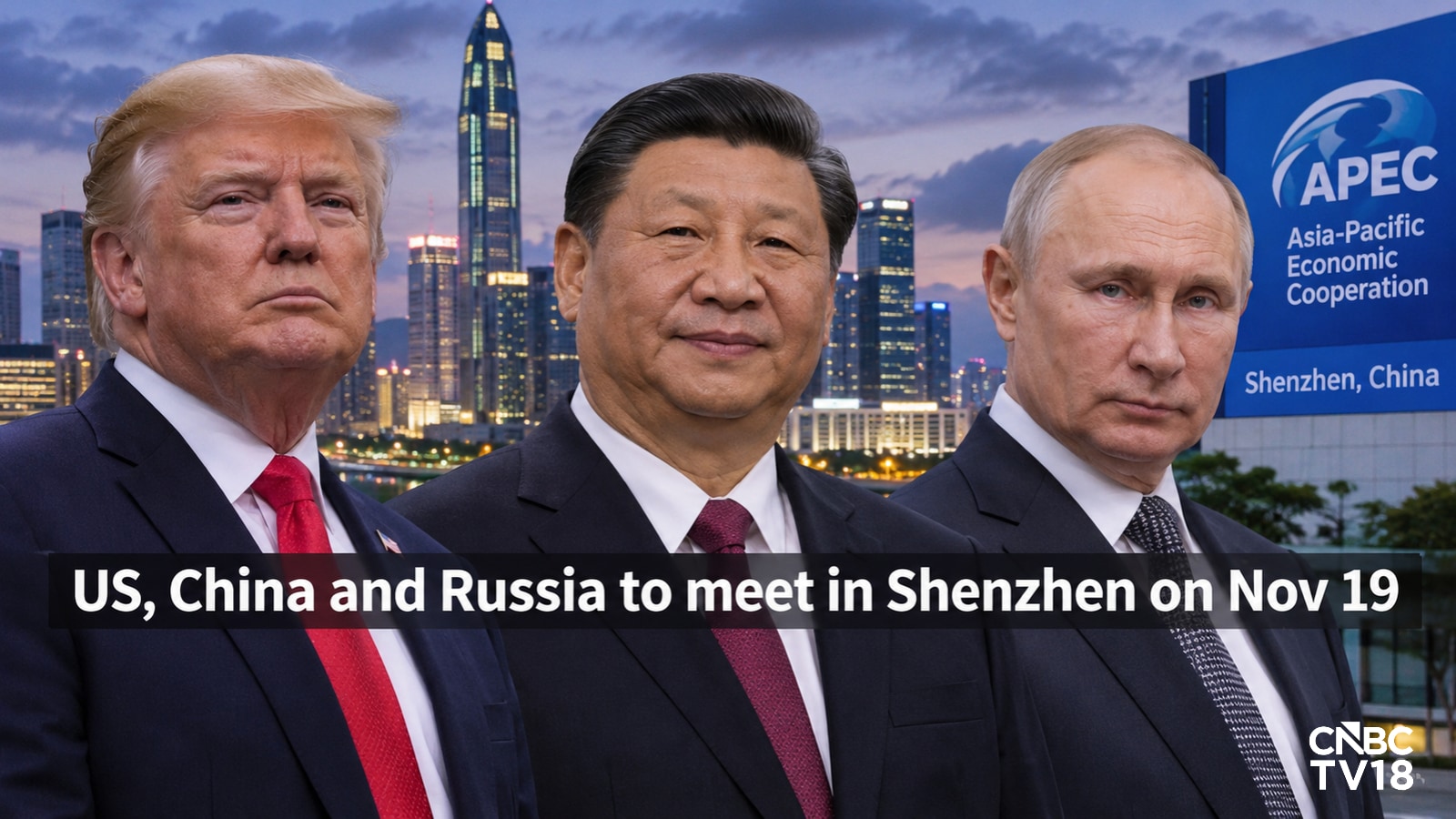
The foreign policy press loves a photo op. Every time three major leaders stand near the same podium, commentators immediately declare a historic realignment of global power. Reports of an unprecedented joint meeting between Donald Trump, Xi Jinping, and Vladimir Putin on the sidelines of the Asia-Pacific Economic Cooperation (APEC) summit have triggered the exact same reflex across cable news and editorial boards.
According to anonymous officials cited in initial coverage, the sit-down represents a dramatic breaking of diplomatic ice. Analysts are already framing it as a potential Yalta moment for the twenty-first century, suggesting that a single room could hold the keys to trade wars, European security, and Pacific deterrence.
That consensus misses how modern diplomacy actually operates. High-level trilateral meetings at multilateral forums are rarely the birthplace of grand bargains. More often, they are carefully choreographed theater designed to manage domestic audiences while buying time on intractable structural disputes.
The Myth of the Side-Room Breakthrough
Diplomacy does not happen in ninety-minute pull-asides between flights. When leaders meet on the margins of APEC—a forum explicitly structured around non-binding consensus and economic cooperation rather than hard security treaties—the agenda is constrained before anyone shakes hands.
Consider the structural reality of a three-way room containing Washington, Beijing, and Moscow. Each capital enters with fundamentally incompatible core interests:
- Washington seeks to maintain alliance credibility in the Indo-Pacific while reducing bilateral trade deficits and halting the flow of dual-use technology to Russian defense industries.
- Beijing prioritizes uninterrupted access to Western consumer markets, relief from semiconductor export controls, and strategic autonomy regarding Taiwan.
- Moscow aims to fracture Western sanctions regimes, normalize its territorial gains in Ukraine, and demonstrate to its domestic public that Russia cannot be isolated from global governance.
When three parties hold mutually exclusive bottom lines, a joint meeting cannot produce a binding settlement. As international relations scholar Robert Putnam famously outlined in his two-level game theory, leaders must simultaneously negotiate at the international table and satisfy domestic political constituencies. None of these three leaders can afford to look like they conceded ground in front of the other two.
Why Optics Outweigh Outcomes at APEC
If no grand bargain is on the table, why take the meeting at all? Because optics are currency.
For Donald Trump, sitting across from both Xi and Putin reinforces a personal brand built on transactional dealmaking and direct leader-to-leader engagement. It signals to voters and allies alike that Washington remains the indispensable hub through which both Beijing and Moscow must pass.
For Xi Jinping, hosting or participating in a high-profile trilateral frames China as a stabilizing convener rather than a revisionist power. Amid domestic economic headwinds, projecting calm authority alongside the American and Russian presidents reinforces Beijing's narrative of multipolar inevitability.
For Vladimir Putin, the visual alone is the victory. Standing shoulder-to-shoulder with the leaders of the world's two largest economies punctures the narrative of diplomatic pariah status. He does not need a signed communiqué to claim success; the photographs distributed by state media do the work.
What Observers Get Wrong About Great Power Alignment
A common mistake in geopolitical commentary is treating a joint meeting as evidence of a unified bloc—or, conversely, assuming the American president can casually drive a wedge between Beijing and Moscow over coffee.
The Sino-Russian partnership is neither a formal military alliance nor a fragile marriage of convenience ready to collapse at the first sign of American charm. Diplomatic historians and regional analysts consistently point out that the relationship between Xi and Putin is anchored in shared opposition to U.S.-led unipolarity, long-term energy infrastructure, and a 2,600-mile shared border that neither side wants militarized.
At the same time, Beijing and Moscow are not identical twins. China relies heavily on Western financial systems and consumer demand in ways Russia no longer does. Beijing has repeatedly shown caution regarding secondary sanctions, quietly adjusting banking compliance even while maintaining diplomatic warmth with the Kremlin. A trilateral summit does not erase those underlying economic asymmetries.
The Real Signals to Watch Instead of the Handshake
If you want to know whether this meeting actually shifts anything on the ground, ignore the pool spray and the carefully worded readouts. Watch the boring, technical indicators that follow over the next ninety days:
- Export Control Enforcement: Does the U.S. Commerce Department pause or accelerate additions to the Entity List targeting Chinese firms supplying microelectronics to Russia?
- Tariff Schedules and Agricultural Purchases: Do concrete adjustments appear in customs enforcement, or do existing tariff threats remain locked in place?
- Naval and Air Transit Patterns: Does the tempo of freedom-of-navigation operations in the South China Sea or bomber patrols in the North Pacific change in frequency or proximity?
- Working-Group Calendars: Are mid-level deputies actually scheduled to meet in Geneva, Vienna, or Singapore to hammer out technical annexes, or does communication stall once the summit plane takes off?
The Risk of Summit Theater
There is a legitimate counterargument to dismissing summitry as mere theater. Personal rapport between heads of state can prevent miscalculation during acute crises. Direct channels allow leaders to clarify red lines without the distortion of bureaucratic filtering, and establishing a baseline of communication is generally safer than total silence between nuclear-armed powers.
Yet history offers plenty of warnings about over-indexing on personal chemistry. The 2018 Helsinki summit between Trump and Putin and the 2019 Hanoi summit with Kim Jong Un demonstrated that high-stakes, leader-driven spectacles without painstaking pre-negotiated frameworks often end in ambiguity or abrupt collapse. When expectations are inflated by breathless media coverage, the absence of concrete deliverables can actually harden positions afterward as each side tries to prove it did not blink.
Stop Measuring Diplomacy by Photo Ops
Treat this APEC sideline meeting for what it actually is: a high-visibility temperature check among three leaders managing intense domestic and strategic pressures. It is a staging ground for narratives, not a drafting room for treaties. Until technical working groups start rewriting tariff codes, sanction lists, and force posture agreements, the cameras are capturing theater, not history.


