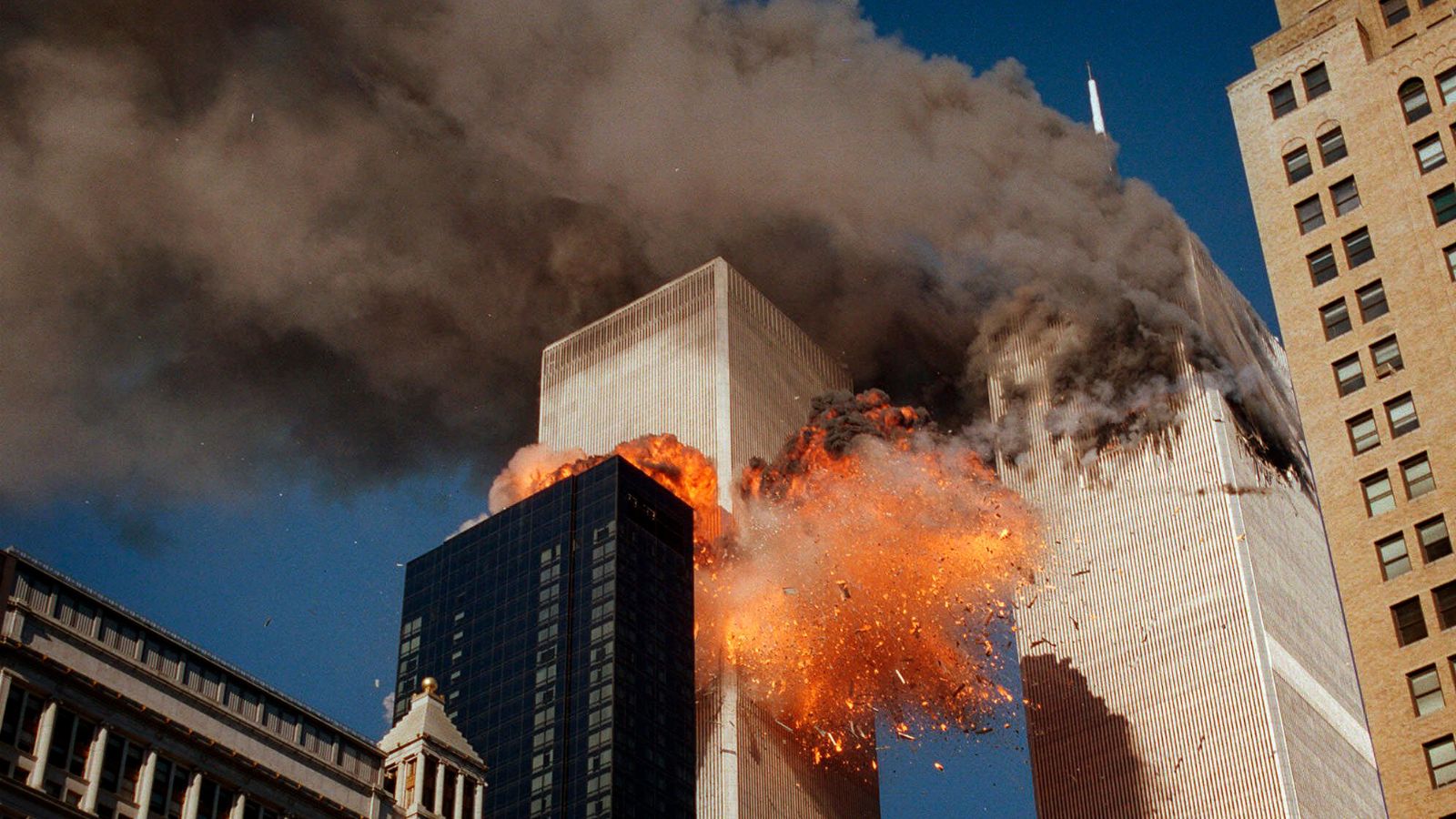
For twenty-five years, New York City officials told residents the air around Ground Zero was safe to breathe. They lied.
Newly public municipal documents confirm what survivors, advocates, and first responders suspected all along. City leadership knew the dust cloud hanging over Lower Manhattan was a lethal soup of asbestos, benzene, and dioxins. Yet, they urged people back to work and school anyway.
Mayor Zohran Mamdani's administration released over 170,000 pages of long-withheld records, putting an end to a protracted legal fight waged by the advocacy group 9/11 Health Watch. Stored away in 68 boxes and discovered only recently, the files expose an internal panic contrasted against a public facade of reassurance.
More people have now died from 9/11-related illnesses than were killed on the day of the attacks itself. This massive document dump explains why.
What the Hidden Files Actually Prove
If you dig through the newly launched public portal, the pattern of deception becomes glaringly obvious. The government wasn't just flying blind. They were measuring the poison and choosing what to keep quiet.
Take the internal memos from late 2001. City health officials actively discussed which dangerous substances should—and should not—be included in air-quality testing. In one email thread from October 2001, planners explicitly agreed to drop magnesium from their revised testing framework. The Centers for Disease Control and Prevention later identified magnesium as a primary driver of why World Trade Center dust was so hazardous to inhale.
They doctored the parameters so the results looked cleaner.
Other internal documents uncovered shocking contamination levels. Assessments of major damaged structures like 90 Church Street found asbestos settled in dust throughout the building, while dioxins showed up in every single sample tested. Mercury turned up inside office filing cabinets. Meanwhile, a November 2001 audit from the city's Department of Environmental Protection flagged dangerously high benzene levels near the site alongside elevated asbestos concentrations stretching all the way to Staten Island.
Yet, the public line from City Hall under then-Mayor Rudy Giuliani remained unchanged. You are safe. Go back downtown.
Why They Covered It Up
Governments hate panic, but they also hate liability. The records reveal that city brass knew legal fallout was coming almost immediately.
An October 2001 internal document known as the Harding Memo warned Deputy Mayor Robert Harding that the city could face tens of thousands of lawsuits. The author pointed out a grim Catch-22 for the administration: rushing health advisories out might cause people to return too soon and suffer toxic exposure, but delaying them would cause severe economic hardship.
They chose economics over lungs.
Elected officials at the time traded human safety for the optics of a rapid recovery. Congressman Jerry Nadler spent months writing letters complaining that federal and local agencies were completely shirking their duty to monitor indoor air quality. His warnings were ignored.
Comedian and activist Jon Stewart, who spent decades fighting for the health benefits of responders, put it bluntly at the recent press briefing. Poison coated everything, from pets and window sills to air conditioners, staying there for months while officials pretended it was business as usual.
The Ongoing Human Cost
The physical devastation of that toxic cloud didn't stop when the fires finally went out.
Firefighters, police officers, construction workers, and local residents inhaled microscopic particles capable of lodging deep into human tissue. Over 360 members of the New York City Fire Department alone have died from 9/11-related illnesses, a grim milestone that surpasses the number of firefighters who died on September 11 itself.
Cancers, pulmonary diseases, and digestive disorders continue to claim lives a quarter-century later. For the families affected, the release of these 170,000 pages is vindication, but it is cold comfort. Accountability arrived twenty-five years too late.
You can now search the municipal portal yourself to read the memos, lab results, and agency emails. The truth is finally out in the open, permanently breaking the official silence.