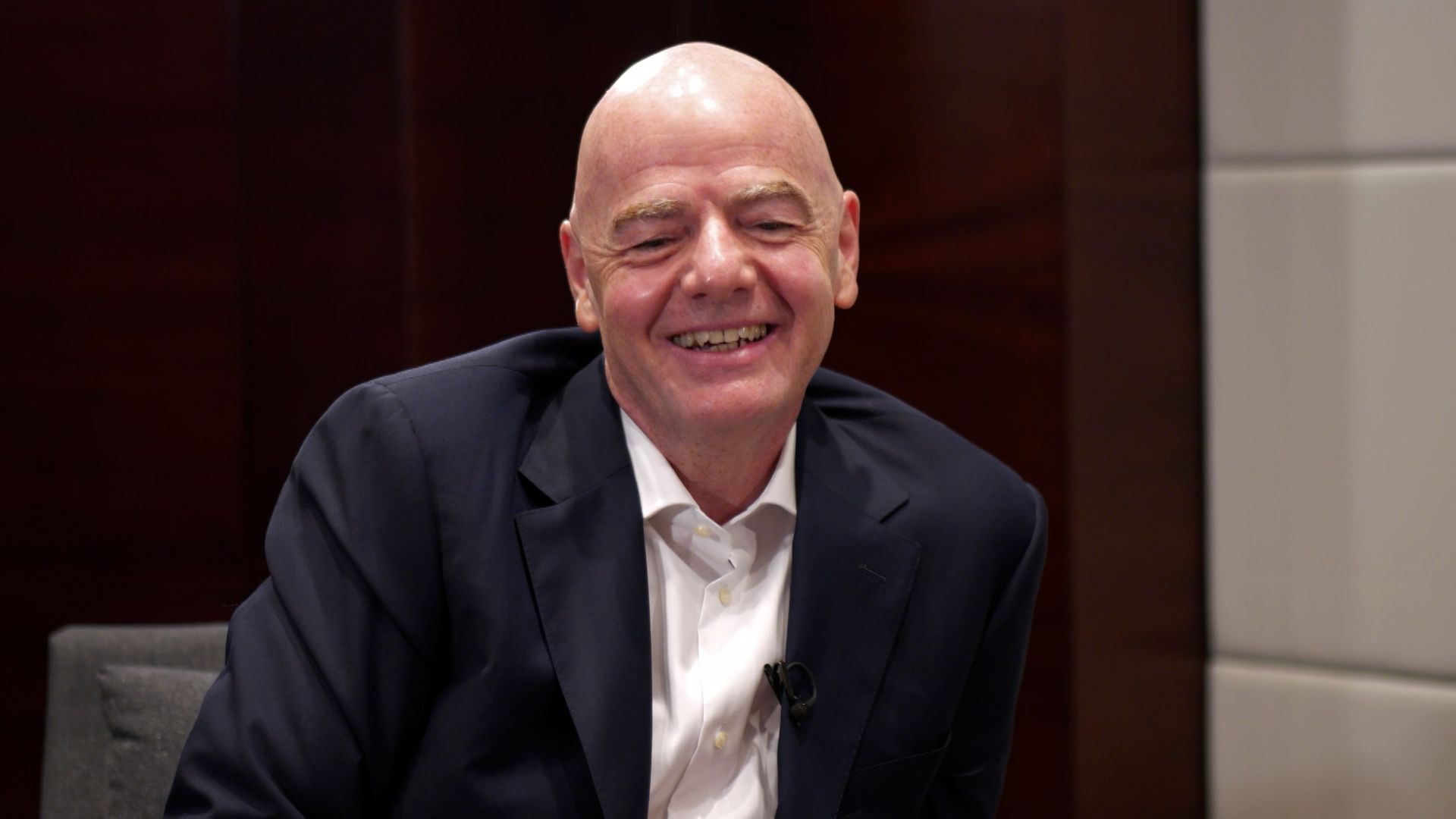
The football media loves a pantomime villain. Right now, the favorite script in every newsroom and podcast studio is simple: Gianni Infantino is the corrupt emperor of global football, and a righteous coalition of European elites—led by figures like PSG’s hierarchy—needs to step in, strip him of power, and restore sporting purity.
It is a comforting narrative. It is also entirely detached from how power actually functions in the upper echelons of global sport.
Every week, I watch commentators wring their hands over FIFA calendar expansions, expanded Club World Cups, and endless geopolitical horse-trading. They frame Infantino as an autocrat who hijacked a noble institution. I have sat in enough boardroom backchannels to know the truth. Infantino is not a dictator imposing his will on an unwilling sport; he is the ultimate mirror. He reflects the exact transactional, hyper-capitalist desires of the clubs and federations screaming the loudest against him.
The lazy consensus is that replacing Infantino fixes modern football. The reality is that Infantino is merely managing a symptom, and swapping him out for a UEFA-approved bureaucrat will change nothing about the underlying rot.
The Hypocrisy of the European Moral High Ground
Let us dismantle the premise that European heavyweights like Paris Saint-Germain are champions of sporting integrity. When UEFA whispers about challenging FIFA’s expansionist agenda, sports journalists rush to paint it as a noble defense of player welfare.
Spare me the theater.
UEFA and elite clubs do not oppose Infantino because he is commercializing the game. They oppose him because he is cutting into their margins. For decades, European football operated a cozy cartel. UEFA held the monopoly on international club prestige, squeezing domestic leagues while hoarding the Champions League cash cow. FIFA under Infantino simply realized that the rest of the world—Africa, Asia, the Americas—represents untapped revenue streams that belong on a global balance sheet, not just in European bank accounts.
When PSG or other state-backed and elite European entities posture about governance reform, they are protecting a specific status quo. They want a calendar that suits their preseason tours and multi-billion-dollar brand ecosystems, but they refuse to let FIFA democratize the spoils on a planetary scale.
If you think replacing Infantino with a UEFA loyalist brings back the romantic, local-hero era of football, you are selling yourself a fairy tale.
The Governance Myth
People love to ask: How can FIFA allow such blatant conflicts of interest, corporate sponsorship bloat, and schedule oversaturation?
The question assumes governance in global sports is a legal or moral puzzle waiting for the right administrator to solve. It is not. It is an exercise in structural appeasement.
FIFA is a conglomerate of 211 member associations. Do you know how a vote works in that room? The football federation of a small island nation carries the exact same voting weight at a FIFA Congress as the German Football Association. UEFA has wealth, but it only has 55 votes.
Infantino’s genius—and his supposed villainy—lies in his mastery of this math. He realized early on that if you secure the backing of the Global South through development funding, tournament slots, and expansion promises, you become completely bulletproof against European boardroom coups.
When people demand a "clean break" from Infantino, they are ignoring the structural reality of FIFA's electorate. You cannot impose a European-centric governance model on a global organization without alienating the majority of the planet. Infantino stays in power because he delivers what the majority of world football actually wants: money, access, and relevance.
Imagine a Scenario Where Infantino Disappears Tomorrow
Let us play a thought experiment. Suppose the pressure campaign works. Infantino steps down, broken by political attrition, and a polished, UEFA-backed technocrat takes the reins at the Home of FIFA.
What changes on Monday morning?
Does the Club World Cup vanish? No, because billions of dollars in television rights and sponsor commitments have already been signed, sealed, and integrated into club budgets. Does the international match calendar shrink? No, because national federations rely on those international windows to fund their domestic grassroots operations. Do state-owned clubs stop spending astronomical sums? Of course not.
The financial engine of modern football runs on a relentless demand for growth. Stagnation is death in a market driven by broadcasting rights, player amortization, and sovereign wealth investment. Changing the face at the top does not alter the economic physics of the industry. It merely changes who gets to sign the contracts.
The Real Problem No One Wants to Solve
The anger directed at FIFA is a displacement activity. Fans and pundits focus on Infantino because hating an individual is easy, whereas confronting the structural reality of modern football requires actual discomfort.
The modern football ecosystem is built on a simple, brutal equation: infinite commercial expansion fueled by finite human capital. Players are running more, playing more matches, and breaking down younger because the market demands an uninterrupted stream of content.
Neither UEFA, nor FIFA, nor any club president wants to fix this. Every single stakeholder benefits from the excess until the moment a marquee player tears an ACL, at which point everyone performs a synchronized routine of shock and moral outrage before cashing the next broadcast check.
Stop looking for a savior in Zurich or Nyon. There are no good guys in this ecosystem, only competitors fighting over slices of an ever-expanding pie. The moment you stop treating football as a moral crusade and start treating it as the ruthless, global entertainment conglomerate it actually is, the noise stops making sense, and the ugly, brilliant reality finally comes into focus.