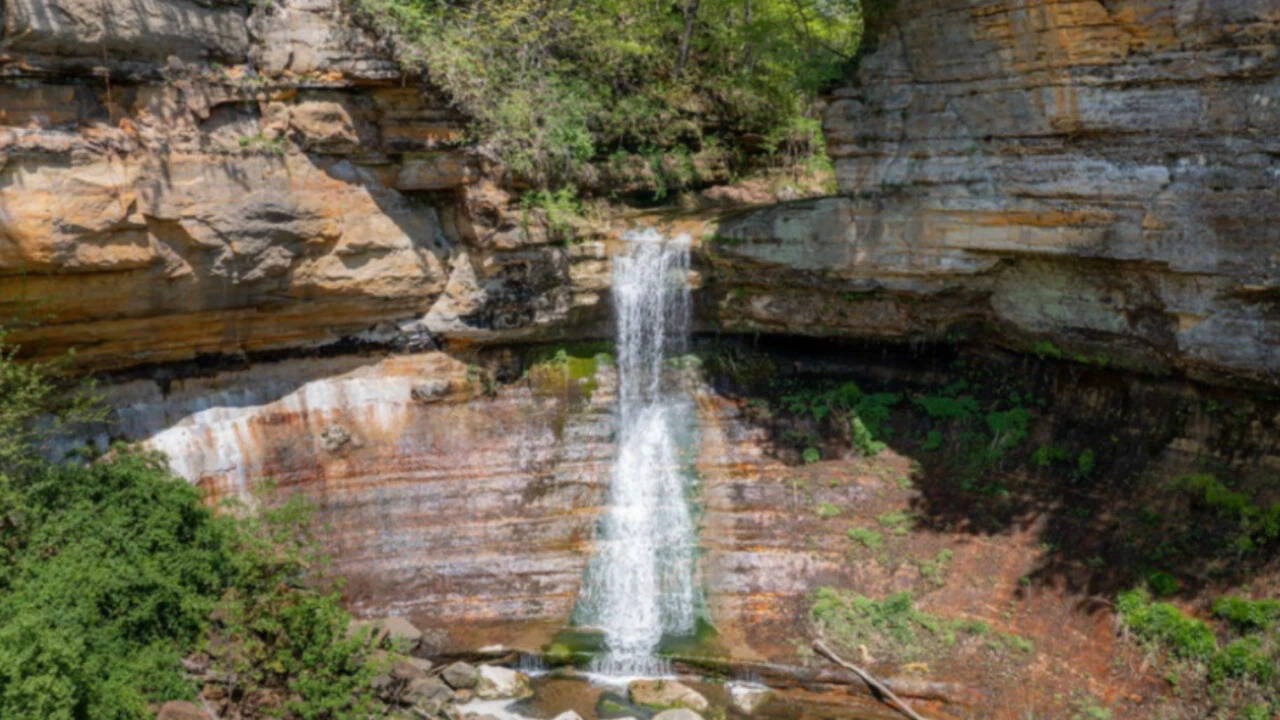
Everyone loves a happy ending involving a fifty-acre land donation and a turn-of-the-century photograph. Conservation groups are popping champagne over the news that a historic, century-old waterfall site in Illinois, captured on glass plates back in 1903, might finally escape private hands and morph into a public park. The narrative writes itself. Nature wins. The public gets access. History is preserved in amber.
Except it is a terrible idea that treats land as a museum exhibit rather than an ecosystem. You might also find this similar story insightful: Why Andy Burnham Wants to Change the Pension Triple Lock by 2030.
I have spent decades watching well-funded preservation initiatives love pristine landscapes to death. When you slap a park sign at the entrance of a fragile, isolated micro-habitat, you do not protect it. You issue an open invitation for heavy foot traffic, soil compaction, invasive seed dispersal, and municipal budget neglect. Turning a secluded historic gem into a public amenity changes the ecological baseline completely.
Let us look past the romantic 1903 photographs. That archive image freezes a moment in time, but ecosystems are not taxidermy specimens. They shift, erode, and adapt. The moment you pave a parking lot, install split-rail fencing, and build asphalt pathways to accommodate weekend visitors, you alter hydrological runoff and fragment whatever wildlife corridors managed to survive a century of private ownership. As discussed in detailed articles by Associated Press, the results are worth noting.
The lazy consensus holds that public access equals conservation success. If citizens can walk up to the waterfall, stand on an observation deck, and snap photos for social media, the resource is somehow winning. That logic ignores the carrying capacity of the land. Fifty acres is not a wilderness; it is a pocket handkerchief in ecological terms. Add a few thousand casual visitors a month carrying picnic baskets, letting dogs off leash, and wandering off designated trails, and that historic waterfall turns into an eroded mud pit within three seasons.
Private stewardship often gets a bad name, but many private landowners maintain low-impact buffers precisely by keeping the gates locked. They act as accidental gatekeepers against mass human disruption. Handing fifty acres over to a local park district with strapped finances and a mandate to boost visitor numbers is a recipe for managed decline. Municipalities love ribbon cuttings, but they rarely budget for thirty years of invasive species eradication, trail stabilization, and watershed protection.
If we genuinely care about honoring the ecological reality behind that 1903 photograph, we should advocate for conservation easements with teeth rather than public parks with picnic tables. Put the land into a strict conservancy trust where human foot traffic is severely restricted or banned outright. Let the forest heal. Let the waterfall run without a soundtrack of screaming toddlers and portable Bluetooth speakers bouncing off the limestone canyon walls.
True preservation requires restraint, not hospitality. Opening the gates to everyone means protecting it for no one.
Stop treating nature as municipal real estate. Leave the waterfall alone.


