The headlines are dripping with a specific brand of lazy hysteria. You’ve seen them: "Uber Hit by Middle East Tensions," or "Geopolitical Conflict Dents Uber’s Growth." It is a convenient narrative for analysts who need a boogeyman to explain away a decimal point of variance.
It is also largely a fantasy.
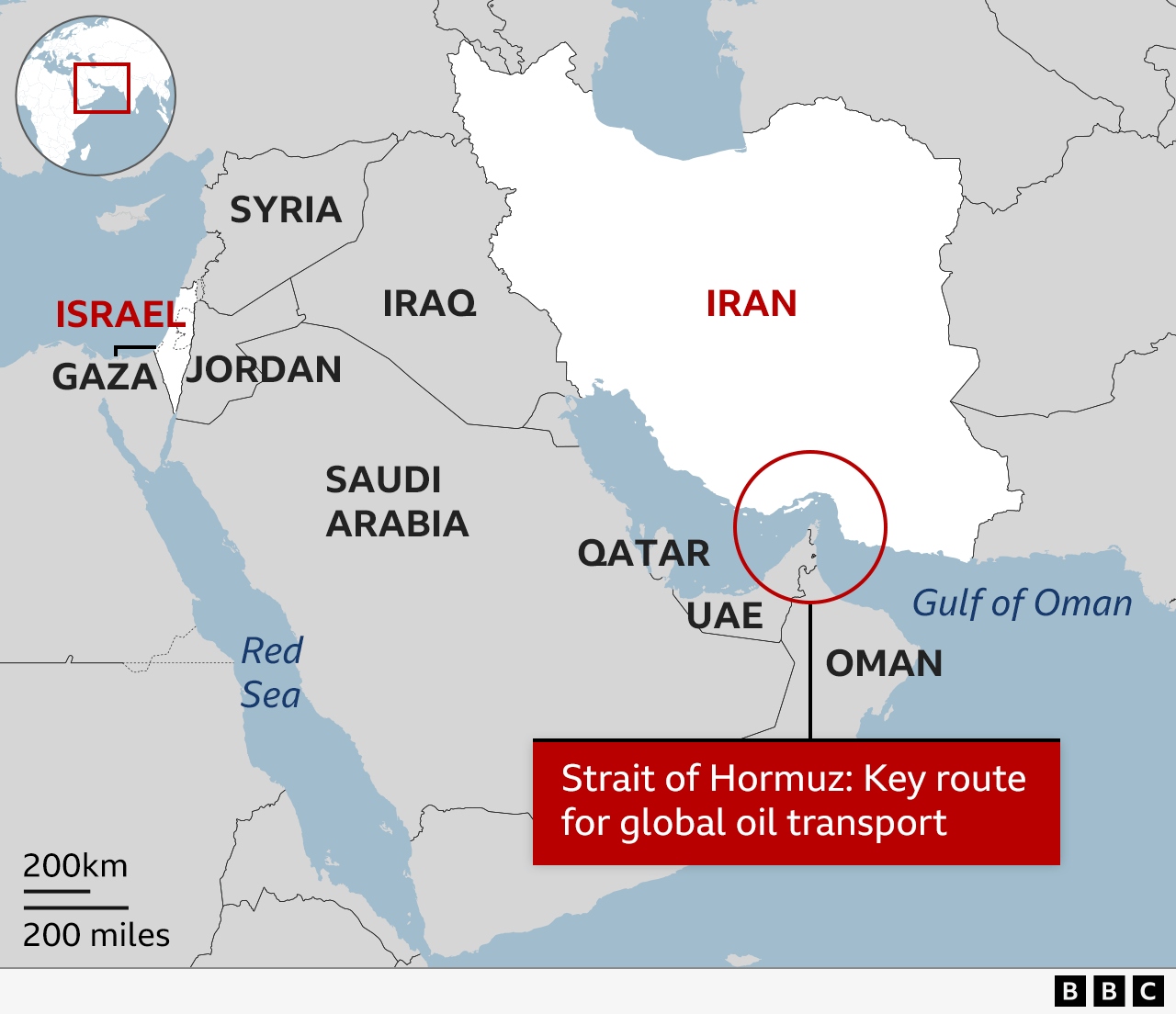
If you are looking at the raw data instead of the fear-mongering op-eds, the "hit" Uber took from the Middle East conflict is the financial equivalent of a mosquito bite on an elephant. In Q1 2026, Uber reported a massive 21% growth in Gross Bookings. The "headwind" from the Middle East and U.S. weather combined? A measly 60 basis points.
To the uninitiated, that sounds like a setback. To an insider, it’s a rounding error. While the "lazy consensus" wants you to believe Uber is fragile in the face of global instability, the reality is that the company has engineered a level of geographic and operational redundancy that makes it virtually immune to regional skirmishes.
The Myth of Regional Fragility
The competitor's narrative relies on the idea that Uber’s Middle East exposure is a structural weakness. It isn't. I have seen companies blow millions trying to "diversify" only to remain tethered to a single market's whims. Uber did the opposite. They didn't just expand; they built a hydra.
By diversifying into Mobility, Delivery, and now a rebounding Freight sector, Uber has decoupled its revenue from any single geography or service type. In Q1 2026, when regional tensions allegedly "threatened" the bottom line, the U.S. business—specifically San Francisco and Los Angeles—accelerated so aggressively it didn't just offset the Middle East; it buried it.
The analysts are asking: "How much did the conflict hurt?"
The right question is: "Why does it matter if it did?"
Why Your "Geopolitical Risk" Model is Broken
Most financial models treat geopolitical risk as a direct drain on capacity. They assume that if a region goes dark, the company’s growth trajectory breaks. This is fundamentally flawed logic when applied to a platform business.
Uber operates a liquid marketplace. Unlike a factory owner in a conflict zone who loses physical assets and supply chains, Uber’s "assets" are decentralized and mobile. If demand drops in one city, the capital and focus shift instantly to where demand is surging.
- The Insurance Correction: While everyone was staring at the Middle East, they missed the real story: the easing of insurance costs. For years, insurance premiums were the silent killer of Uber’s margins. In 2026, these costs finally moderated, leading to "healthier, trip-led growth."
- The Latent Demand Trap: Conflict doesn't just stop movement; it pauses it. We saw this during the pandemic. The moment stability returns to a market, the snap-back in demand usually exceeds the previous baseline. Uber isn't "losing" these trips; it’s deferring them.
The Robotaxi Red Herring
Management is currently leaning hard into the Robotaxi narrative to keep the stock price buoyant. It’s a classic move: point to the shiny future so nobody looks at the boring, profitable present.
The push into autonomous vehicles is being framed as a way to "offset geopolitical tensions." This is nonsense. You don't fix a 60-basis-point regional headwind by spending billions on unproven, capital-intensive hardware.
Uber’s true strength isn't in its tech—it’s in its network density. It surpassed the 10 million earner milestone in March 2026. Ten million humans providing labor is a much more robust "moat" than a fleet of expensive sensors that can't navigate a construction zone or a protest.
Stop Caring About the Conflict; Start Following the Commuter
The "People Also Ask" sections are obsessed with whether Uber will pull out of high-risk markets. They won't. And they shouldn't.
The secret to Uber’s 2026 dominance isn't peace in the Middle East—it’s the death of the "Work From Home" dream. The surge in U.S. commute and travel use cases is the actual engine of this growth. When a tech worker in San Francisco stops taking the bus and starts hailing an Uber to the office three days a week, the revenue generated dwarfs the loss of a few thousand trips in a distant war zone.
If you’re an investor or a competitor waiting for Uber to stumble because of a headline in the Levant, you’re going to be waiting a long time. The "hit" was a hiccup. The "strong bookings" weren't just a silver lining; they are the entire cloud.
Uber has reached a stage of anti-fragility. It doesn't just survive volatility; it gains from it by consolidating market share while smaller, local players—who don't have a $10 billion U.S. cushion—collapse under the weight of regional instability.
Wall Street loves a tragedy because it’s easy to write about. But the boring truth is that Uber is a global utility that has finally figured out how to turn a profit regardless of who is fighting whom.
Stop reading the war reports. Start reading the insurance premiums. That’s where the real money is moving.