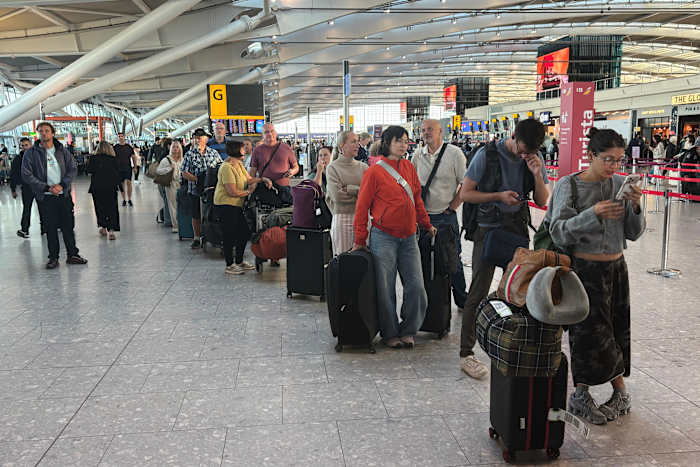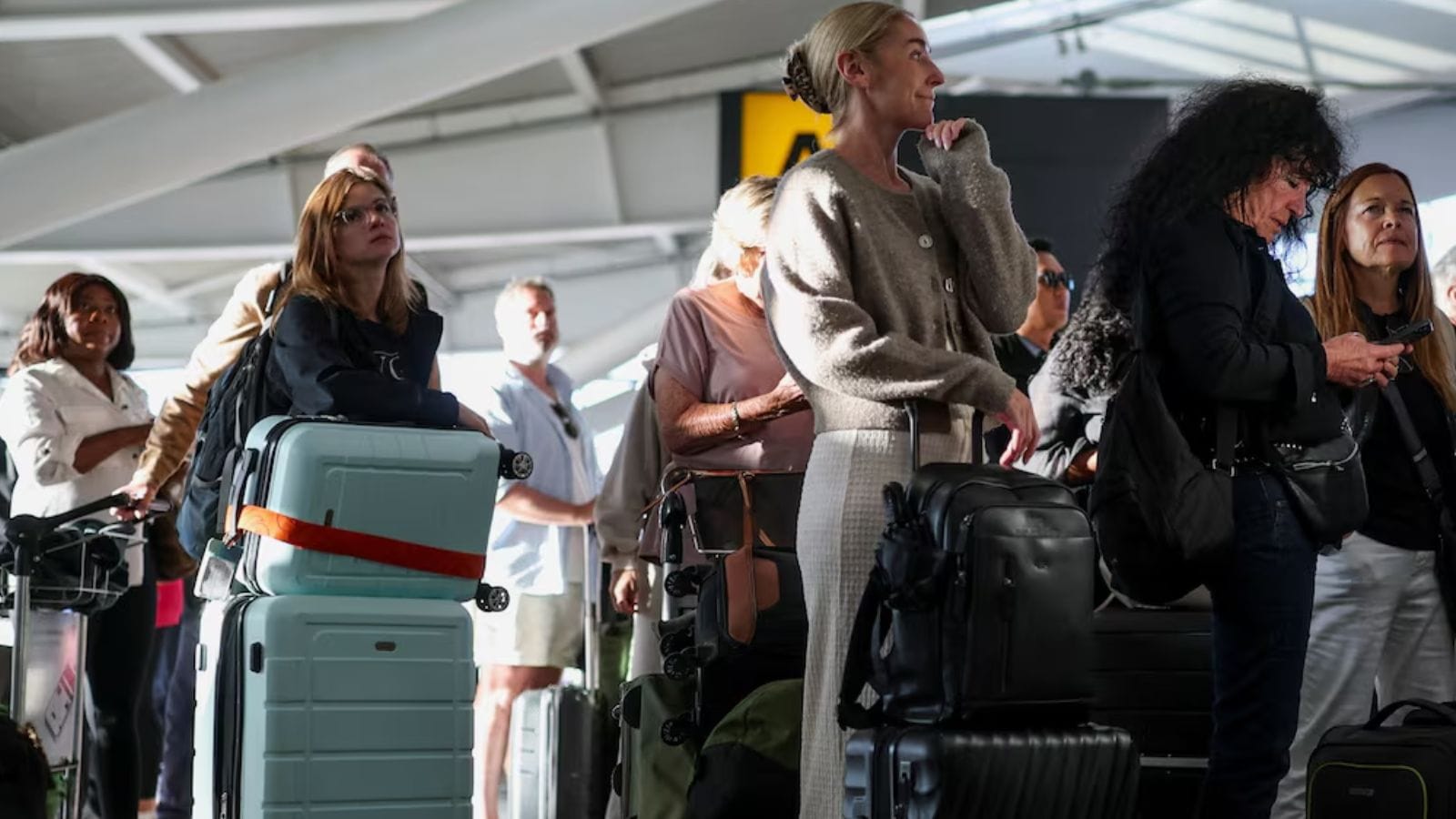
Planes stay grounded. Passengers sleep on airport floor tiles. Screens flash red with delays.
You've seen the headlines. Air traffic control suffers a glitch, flights get cancelled by the hundreds, and chaos reigns across British airports. Then, officials announce the system is fixed. They tell you flights are resuming. You breathe a sigh of relief, grab your bags, and head back to the terminal, assuming normal service has returned.
Except it hasn't.
That is the cruel reality of modern aviation. When the computers finally reboot, the real headache begins. I've watched travelers fall into this trap time and time again, assuming a green light from airspace authorities means their holiday or business trip is back on track. It rarely works that way.
The Domino Effect Nobody Warns You About
Air traffic management isn't like restarting your home Wi-Fi router. You don't just flip a switch and watch planes instantly slot back into the sky like clockwork.
Think about the sheer complexity of a busy airspace network like the one managed by NATS in the UK. Thousands of commercial flights cross paths every single day. Every single aircraft, pilot, and cabin crew member operates on a strict legal clock. They have maximum duty hours. They have required rest periods.
When a technical failure freezes the skies for even two hours, the daily schedule explodes.
A plane scheduled to fly from Manchester to Heathrow at 8 AM gets stuck on the tarmac. By noon, that same aircraft was supposed to fly from Heathrow to Edinburgh, and then down to Palma by mid-afternoon. If the first flight fails to launch, the subsequent three flights are thrown into complete disarray.
Crews time out. Planes sit at the wrong gates in the wrong cities. Maintenance checks stack up. Even when the central computer glitch gets patched, the physical assets are completely out of place.
Why Your App Lies to You
Airlines use automated systems to push updates to passengers. During a major outage, these algorithms get overwhelmed.
You look at your airline app and see a generic message: Flight delayed. It might even say departing soon. Don't trust it.
Airlines prioritize getting their core revenue routes moving again. If you're flying on a regional or lower-priority route, your plane might get quietly pushed down the pecking order. Ground handlers have to make brutal, split-second triage decisions. They move staff and equipment to larger wide-body aircraft heading to major hubs, leaving smaller domestic or short-haul flights stranded.
I learned this the hard way during a previous airspace meltdown at Gatwick. The app kept showing a rolling thirty-minute delay for four straight hours. The gate agents had no information because they were dealing with angry crowds face-to-face, while the corporate software was just running on autopilot, spitting out false hope to keep people from storming the ticket desks.
The Ripple That Lasts Days
The most frustrating part of a UK flight disruption isn't the day of the outage. It is the forty-eight hours that follow.
Even if airspace restrictions lift by Tuesday afternoon, Wednesday's schedule is usually bleeding. Airlines run their fleets at maximum capacity. There are virtually no spare planes sitting around waiting for a rainy day. Every single jet is scheduled to fly almost around the clock to turn a profit.
When a gap opens up, finding an empty slot to squeeze in a delayed flight is nearly impossible. Heathrow, Gatwick, and Manchester operate near maximum capacity during peak hours. If you miss your slot, you wait for the next available window. Sometimes that window is tomorrow.
Passengers often assume they can just jump on the next flight out. They forget that thousands of other people are trying to do the exact same thing. Every single seat across every competing airline is sold out within minutes.
How to Protect Your Trip Right Now
Stop waiting in line at the customer service desk. While you stand there arguing with a stressed-out agent, fifty other people are calling the airline's hotline or using the chat function.
Open your phone. Call the international customer service number if the local line is jammed. Call an overseas call center where wait times are often a fraction of the domestic queues.
Know your rights under UK passenger regulations. If your flight is cancelled or delayed for more than three hours due to an operational or technical failure within the airline's control, you are entitled to care, assistance, and often cash compensation. Do not let them tell you it is extraordinary circumstances just because air traffic control had a hiccup, unless the government officially declares it an unavoidable external event like a volcanic eruption. NATS software failures usually sit in a legal gray area, but airlines will try to dodge payouts by default. Push back.
Keep every single receipt. Buy your own food, water, and emergency hotel room if you have to. Take screenshots of the notification screens showing your delay. Airlines will reimburse you later, but they won't make it easy.
Check alternative transport before you panic. Sometimes hopping on an express train or renting a car to get across the country is faster than waiting three days for standby clearance on a regional hop.
The skies will open up again. The screens will turn green. But until the physical planes and exhausted crews are back where they belong, keep your guard up and your backup plans ready.