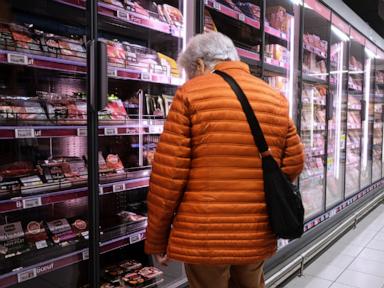
Your supermarket's frozen aisle is now on the front lines of cyber warfare. That sounds dramatic. Honestly, it is.
Over the past year, a wave of cyber-attacks has hit UK food suppliers hard, directly following similar breaches targeting commercial cold storage and refrigeration networks across mainland Europe. Most people think hackers only care about stealing credit card numbers or draining bank accounts. They don't. Right now, criminal syndicates and state-aligned groups are going after operational technology—the industrial control systems that keep food cold, trucks moving, and factory lines running. When a cold-chain logistics provider loses control of its warehouse temperatures, thousands of tons of perishable goods spoil within hours. That kind of physical, time-sensitive pressure forces companies to pay ransoms fast.
How Cold Storage Became a Prime Target
Let's look at why this is happening now. For decades, industrial refrigeration units, warehouse temperature sensors, and automated sorting lines ran on isolated, air-gapped networks. They weren't connected to the internet. You couldn't hack a freezer from another country because there was no digital bridge to cross.
Then came the push for efficiency. Supply chain operators connected their Operational Technology (OT) to their corporate Information Technology (IT) networks so managers could monitor warehouse temperatures from a laptop or phone, automate energy usage, and track inventory in real time. They did this without upgrading legacy security protocols that were never built to withstand modern ransomware.
Attackers noticed. Across mainland Europe, threat actors began probing cold-chain logistics firms and industrial refrigeration contractors. By compromising remote maintenance portals—the exact tools technicians use to diagnose a failing compressor from miles away—hackers slipped straight into the control systems of major food distribution hubs. Once inside, they didn't just lock up payroll spreadsheets. They threatened to shut down cooling systems or manipulate temperature readings.
That playbook crossed the English Channel. UK food suppliers operate on razor-thin margins and rely on just-in-time delivery models. If a major supplier goes offline for forty-eight hours, supermarket shelves go bare. Attackers know British food producers simply can't afford a prolonged outage, making them ideal targets for extortion.
The Anatomy of a Modern Food Supply Chain Breach
If you've ever worked around industrial logistics, you know how messy the tech stack actually is. A typical mid-sized UK food distributor runs modern cloud-based Enterprise Resource Planning (ERP) software alongside twenty-year-old Programmable Logic Controllers (PLCs) managing the warehouse floor.
Here's how these attacks usually unfold in the real world:
- The initial foothold happens through a vendor. Attackers rarely kick down the front door of a heavily guarded enterprise. Instead, they compromise a smaller third-party contractor—like an HVAC maintenance firm or a specialized refrigeration parts supplier—and steal valid login credentials.
- Lateral movement into the OT network. Because the corporate network and the warehouse floor share flat network architecture, the intruders pivot from the accounting department's email server straight into the industrial control environment.
- Data theft paired with operational disruption. Before triggering any alarms, the crew quietly exfiltrates sensitive contracts, pricing data, and employee records. Then they deploy ransomware that locks up dispatch systems and threatens physical equipment.
The UK's National Cyber Security Centre (NCSC) has repeatedly warned critical national infrastructure sectors—including food production and distribution—about this exact convergence of IT and OT threats. Yet many mid-tier suppliers still treat cybersecurity as an annoying IT expense rather than an existential operational risk.
Why European Attacks Preceded the UK Surge
Cybercriminal groups treat regional industries like testing grounds. When an attack vector works against a cold-storage operator in the Netherlands, Germany, or Belgium, the exact same vulnerability almost always exists in the UK. Why? Because European and British food suppliers buy their refrigeration hardware, warehouse management software, and automated logistics gear from the exact same handful of global manufacturers.
Security researchers tracking ransomware ecosystems have noted that threat actors routinely buy and sell initial access to specific verticals. Once one crew proves that European cold-chain operators will pay seven-figure ransoms to save spoiling inventory, copycat affiliates immediately scan UK IP ranges for the same exposed remote-access ports and unpatched VPN appliances.
What Most Food Businesses Get Wrong About Security
Walk into the boardroom of a regional food manufacturer and ask about their cyber defenses. You'll usually hear about their antivirus software, their spam filters, and maybe a cyber insurance policy. That's not enough. Not even close.
The biggest mistake companies make is assuming their operational equipment is invisible to the outside world. Using basic internet-scanning tools like Shodan, anyone can find thousands of exposed industrial control interfaces, building management systems, and remote desktop ports sitting wide open online. Many still run with default factory passwords.
Another massive blind spot is the lack of manual fallback procedures. Modern warehouses are so heavily automated that if the Warehouse Management System (WMS) goes dark, staff literally cannot locate pallets, print shipping labels, or verify expiration dates. When paper backups don't exist, a software outage instantly becomes a total physical standstill.
Practical Steps to Lock Down Food Supply Operations
If you run operations, IT, or risk management for a food supplier, distributor, or cold-storage facility, you don't need a multi-million-pound budget to make yourself a much harder target. You just need to break the easy pathways attackers rely on.
- Rip out flat network architectures. Strictly segment your corporate IT network from your operational warehouse and refrigeration systems. Use properly configured firewalls and demilitarized zones (DMZs) so a phishing email opened in the finance department can never reach a freezer controller.
- Audit every third-party remote access tool. Find out exactly how your refrigeration contractors, scale technicians, and software vendors connect to your facility. Ban always-on remote desktop connections. Require multi-factor authentication (MFA) and time-bound, approved access sessions for every external vendor.
- Isolate and test offline backups. Ransomware crews actively hunt for network-connected backups and delete them first. Keep immutable, offline backups of your core ERP, inventory, and recipe databases, and actually test restoring them under time pressure.
- Build an analog survival plan. Sit down with your warehouse managers and map out how you would ship orders, track cold-chain temperatures, and manage inventory for seventy-two hours if every screen in the building went black. Print those procedures out and put them in a physical binder.
- Patch edge devices immediately. Most initial breaches happen through unpatched firewalls, VPN concentrators, and email servers. Apply critical security updates to internet-facing hardware within days, not months.
Stop treating refrigeration units and factory lines like dumb metal boxes. They're networked computers holding perishable assets, and until food suppliers secure them like critical infrastructure, the disruptions across the UK aren't going to slow down.