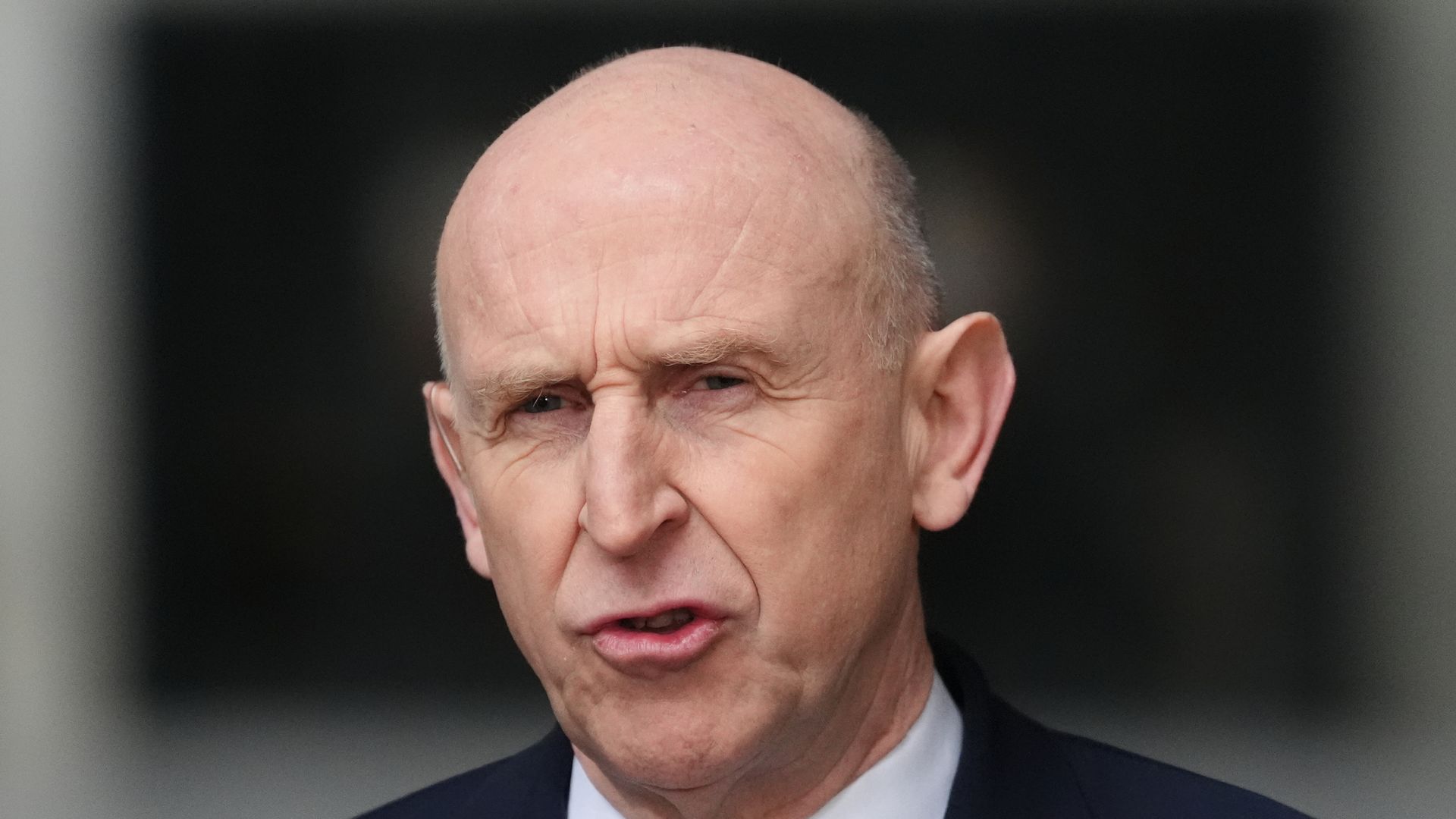
British fighter jets are in the sky right now over the Middle East. That's not a drill or a hypothetical. Defence Secretary John Healey just confirmed that RAF Typhoons are actively flying "regional defensive operations" to intercept Iranian drones. While the government is careful to say they aren't part of the direct US and Israeli strikes on Iranian soil, the reality on the ground—and in the air—is a lot more entangled than the official press releases suggest.
You've probably heard the headlines about "taking down drones." But what does that actually look like for a pilot flying out of Cyprus or Qatar? It's not just about pushing a button. It’s a high-stakes game of electronic cat and mouse where the UK is trying to prevent a regional wildfire without getting burned itself. You might also find this related coverage interesting: Strategic Asymmetry and the Kinetic Deconstruction of Iranian Integrated Air Defense.
Why the RAF is hunting Iranian drones
The primary goal isn't just "defending Israel." It’s about "force protection." The UK has thousands of personnel stationed across the region, from the massive sovereign base at RAF Akrotiri in Cyprus to smaller hubs in Jordan and Qatar. When Iran or its proxies launch a swarm of Shahed-136 drones, those "suicide" aircraft don't always have a single GPS coordinate. They’re a threat to everyone in the flight path.
John Healey made it clear that the UK's first priority is the safety of British forces. If a drone is "menacing" a base or an ally, the RAF has the green light to kill it. This isn't a new hobby for the Royal Air Force. They’ve been doing this under the banner of Operation Shader for years, originally to fight ISIS. Now, that same infrastructure—the tankers, the radar networks, and the fast jets—is being pivoted to counter state-sponsored threats from Tehran. As discussed in detailed coverage by The Washington Post, the results are worth noting.
The tech behind the interceptions
Shooting down a drone sounds easy until you realize a Shahed drone is basically a lawnmower engine with wings. It’s small, it’s slow, and it’s made of materials that don't always show up well on traditional radar.
The Typhoon advantage
RAF Typhoons are "swing-role" fighters. This means they can switch from scanning the ground for insurgent hideouts to dogfighting or intercepting cruise missiles in the same mission.
- ASRAAM Missiles: These are the heat-seekers. They’re designed to lock onto the thermal signature of a drone’s engine.
- AESA Radar: The latest upgrades to the Typhoon's radar allow it to spot "low and slow" targets that older systems might ignore as background noise or birds.
- Voyager Tankers: You can't stay in the air for 8 hours without gas. The Voyager aircraft are the unsung heroes here, keeping the fighters topped up so they can stay on "combat air patrol" (CAP) indefinitely.
Diplomacy by other means
There's a massive difference between shooting down a drone over Syria and dropping a bomb on Tehran. The UK is walking that line perfectly. By focusing on "defensive" actions, the government keeps its hands clean of the escalatory strikes carried out by the US and Israel. It’s a way of saying, "We’ll protect our friends, but we aren't starting a war."
However, don't let the "defensive" label fool you. This is a significant projection of power. The UK is currently one of the few nations with the hardware and the political will to operate in this specific way. It’s about maintaining the "freedom of navigation" in the air and at sea, especially with the Houthis still causing chaos in the Red Sea.
What this means for you
Most people think of the military as something that happens "over there." But the stability of the Middle East directly impacts the price of the petrol in your car and the inflation rate at your local supermarket. If the RAF wasn't up there acting as a shield, the chances of a full-scale regional war—which would tank the global economy—go up exponentially.
The UK isn't just a bystander. We’re an active participant in a conflict that is redefining the 21st century. The Defence Secretary's reveal isn't just a status update; it's a reminder that the "forever wars" didn't end with Afghanistan. They just changed shape.
If you want to understand the real impact of these operations, look at the sanctions being slapped on the Iranian drone industry. The UK is attacking the problem from both ends: shooting the drones out of the sky and trying to choke the factories that build them. It’s a long-term strategy, and it’s one that requires the RAF to keep those jets in the air for the foreseeable future.
Watch the official Ministry of Defence updates and the Hansard records of John Healey’s statements to the Commons. The language is often dry, but the implications are massive. You should pay attention to the "force protection" levels at British bases; when those go up, it’s a sign that the intelligence community expects things to get a lot bumpier. Stay informed by checking the UK Defence Journal and the official RAF mission logs for Operation Shader. It's the best way to see where your tax pounds are actually going in the fight for regional stability.


