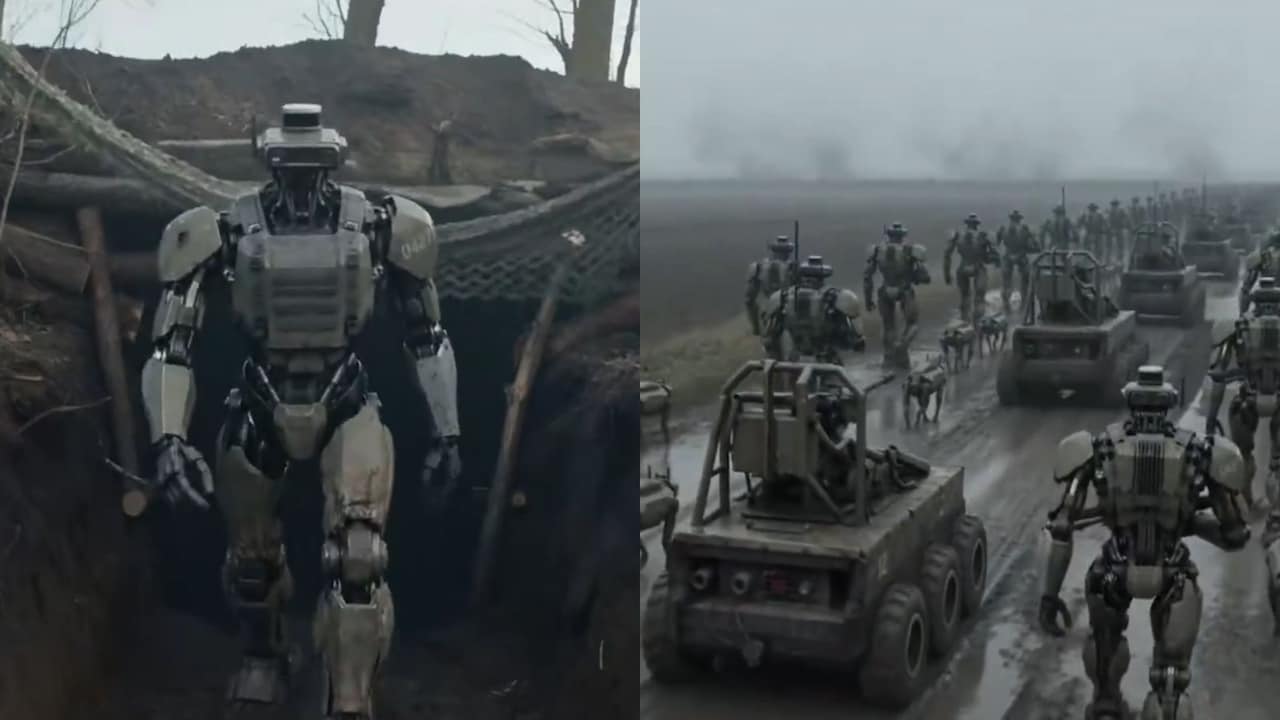
Science fiction stopped being fiction the moment trench warfare met machine intelligence. When reports started surfacing about Ukraine deploying ground drones across active combat zones, the media immediately reached for cinematic comparisons. Everyone wanted to talk about Hollywood blockbusters and robotic uprisings. Movies love a clean metaphor. Reality is far messier, bloodier, and much faster moving.
What is actually happening along the contested borders of Eastern Europe isn't a sci-fi movie come to life. It is an urgent, pragmatic response to a grinding war of attrition. Human lives are expensive. Steel, circuits, and batteries are replaceable. If you can send a tracked chassis carrying a heavy machine gun or a cargo box of ammunition across a mined field instead of an infantry platoon, you do it. Period.
The Ground Reality Behind the Robotic Push
You don't hear much about the logistical nightmare of modern trench combat from people sitting in comfortable offices. Soldiers spend hours humping heavy gear through freezing mud, dragging wounded comrades back from the zero line under direct observation by quadcopters, and hauling crates of mortar rounds across open terrain swept by artillery. It is exhausting work. It breaks backs and drains morale long before bullets ever fly.
This is where the robotic systems come in. The Ukrainian military, along with a sprawling network of domestic tinkerers, defense tech startups, and garage-level engineers, started building small, unglamorous remote-controlled buggies. These aren't humanoid androids with glowing red eyes. They look like chunky lawnmowers, miniature tanks, or oversized remote-control cars strapped to heavy-duty suspension systems.
They are designed to do the dirty, high-risk work that soldiers hate and fear.
- Logistics and Resupply: Moving food, water, and ammunition to forward positions without risking a human driver.
- Casualty Evacuation: Pulling wounded troops out of hot zones where ambulances or stretcher-bearers would be sitting ducks.
- Direct Fire Support: Mounting machine guns or anti-tank systems onto stabilized remote turrets.
- Mining and Demolition: Deploying anti-tank charges or clearing pathways through dense minefields.
Why Software Beats Hardware Every Single Time
Building a tough metal frame with an electric motor is the easy part. Any competent mechanical engineering student can weld a chassis together in a weekend. The real bottleneck in modern warfare is software resilience.
Electronic warfare units on both sides of the conflict flood the radio spectrum with noise. They jam GPS signals, scramble control frequencies, and try to blind every camera in the sky and on the ground. If your robot relies on a clean, uninterrupted Wi-Fi or standard radio link to operate, it becomes an expensive paperweight the second it crosses the ridge.
Engineers working on these tactical ground platforms had to adapt fast. They built redundancy into the control loops. When jamming hits hard, the machines need onboard autonomy to handle basic navigation, avoid obstacles, and return home safely. Machine vision algorithms trained on thousands of hours of local terrain footage allow these units to identify paths, follow pre-mapped tracks, or trail a lead vehicle even when the operator's screen goes completely static.
This brings up a fascinating shift in how hardware is iterated. Traditional defense procurement takes ten years, three congressional hearings, and billions