The war in Ukraine stopped being a distant frontline conflict the moment over a thousand drones swarmed Russian airspace in a single, coordinated wave. If you’ve been paying attention to how modern warfare evolves, you know traditional trench combat has taken a backseat to long-range aerial strikes. When Ukrainian forces launched more than 1,000 drones—with hundreds explicitly targeting Moscow—it wasn't just a tactical escalation. It was a clear message that the Russian capital is no longer insulated from the realities of the invasion.
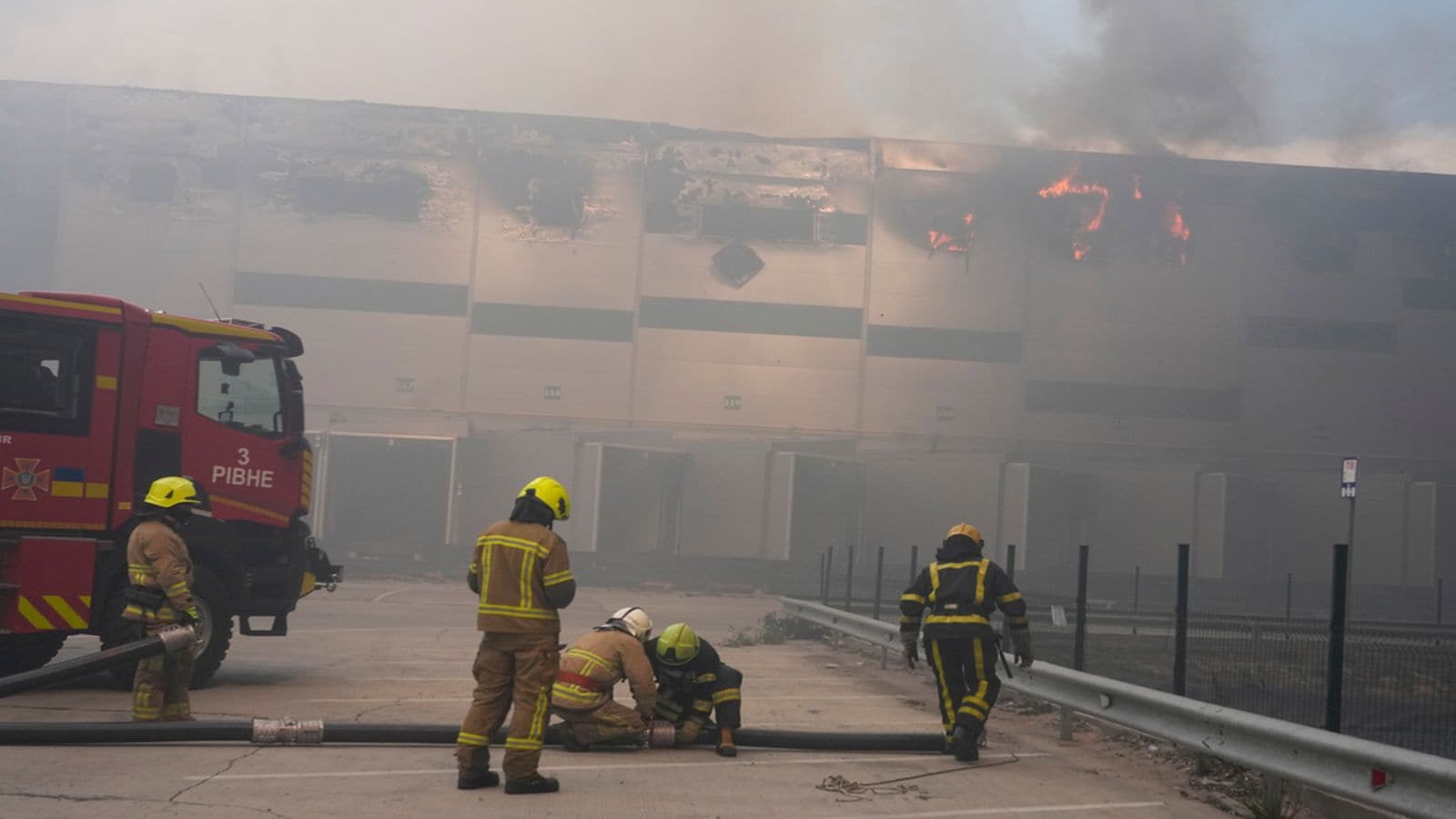
Moscow Mayor Sergei Sobyanin scrambled to call it the largest drone attack the capital had ever faced, claiming that air defenses intercepted roughly 450 drones heading toward the city center. But interceptions don't tell the whole story. Falling debris and direct impacts sparked fires at the Moscow Oil Refinery and damaged residential buildings, shattering the illusion of absolute safety that the Kremlin tries hard to maintain for its urban population.
Why This Massive Drone Surge Changes Everything
Ground combat along the 1,250-kilometer front line in eastern and southern Ukraine has slowed to a brutal crawl. Heavy concentrations of localized drones and ground robots make traditional troop movements suicidal. Because infantry breakthroughs have become exceptionally difficult, both sides have pivoted heavily to a war of attrition waged from the skies.
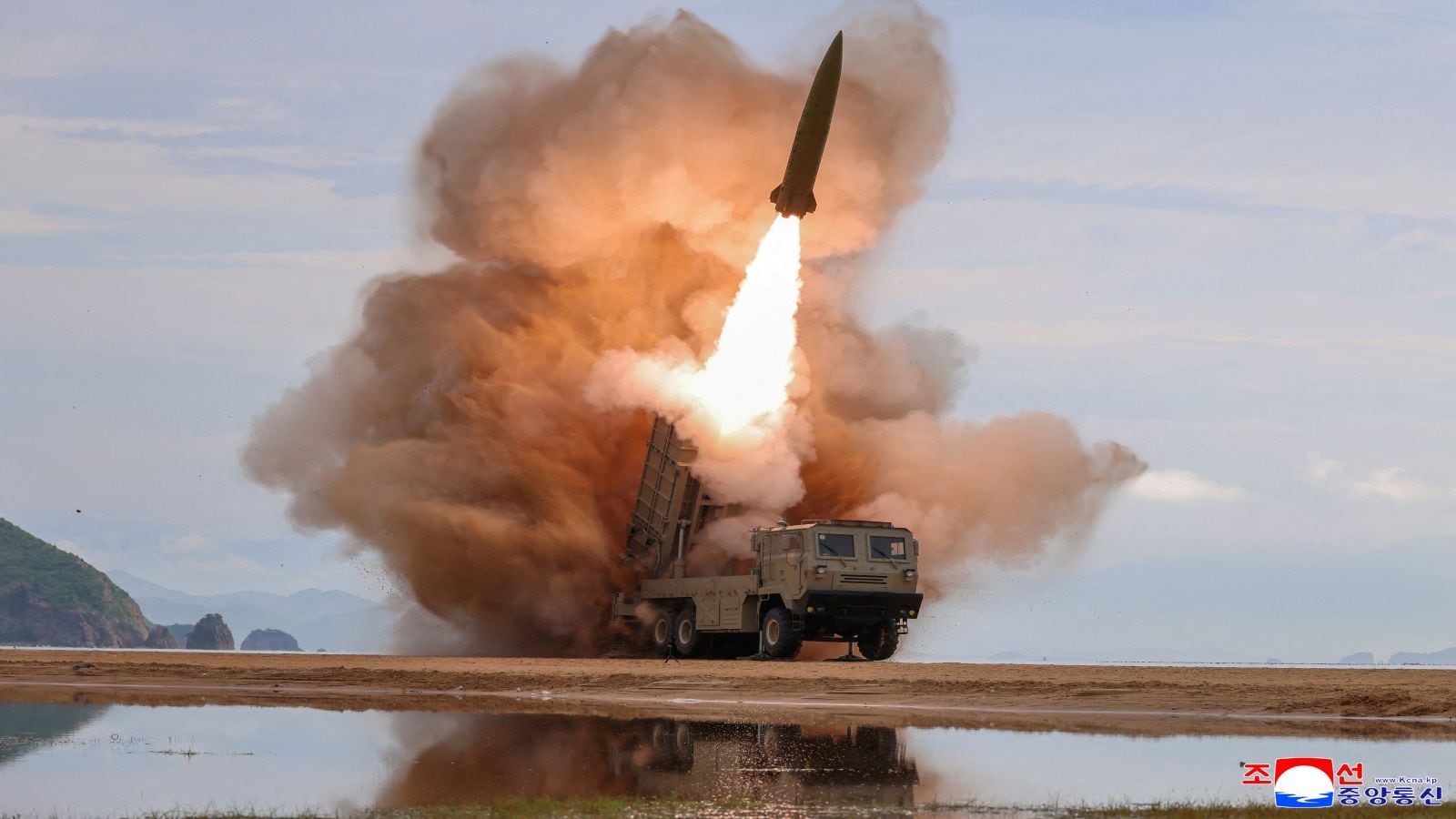
Ukraine's strategy relies on asymmetrical impact. Building long-range loitering munitions is far cheaper than maintaining traditional missile arsenals, and sending a swarm forces Russia to expend expensive surface-to-air missiles on cheap targets. When you launch a thousand drones at once, you overwhelm radar grids, stretch air defense operators to their absolute limits, and force military leadership into impossible choices about what to protect.
The Political Timing You Can't Ignore
This unprecedented aerial assault didn't happen in a vacuum. It coincided directly with the final days of Russia's parliamentary elections. Officials in Moscow were quick to frame the drone blitz as a desperate attempt by Kyiv to disrupt the voting process. Yet, looking closely at the timing, the psychological pressure on the home front matters just as much as any ballot box.
When citizens in suburban Moscow wake up to explosions, burning oil depots, and air raid sirens, the war stops being a television broadcast and becomes an immediate personal threat. That shift in domestic perception is precisely what long-range campaigns aim to achieve. It forces everyday people to confront the consequences of state policies in a way that state-controlled media usually works hard to prevent.
The Human Toll and Regional Fallout
Behind the tactical maps and military assessments, real people bear the brunt of these escalations. Local authorities in the wider Moscow region reported casualties, including fatalities from strikes hitting residential areas. At the same time, reciprocal Russian strikes continue to devastate Ukrainian cities, destroying apartment blocks and critical infrastructure with grim regularity.
This reciprocal destruction highlights the brutal symmetry of the current phase of the conflict. As diplomatic efforts, U.S.-led talks, and high-stakes international summits loom on the horizon, both Kyiv and Moscow are trying to squeeze every ounce of leverage they can out of the battlefield. Every drone that clears an interception grid is meant to punch a hole not just in physical infrastructure, but in the opponent's political resolve.
The skies over Eastern Europe are permanently altered. Long-range autonomous and remote-controlled warfare has turned major metropolitan areas into legitimate operational zones, proving that modern air defense systems can rarely achieve total protection against a determined adversary scaling up mass production.
Take a close look at how defense analysts track these mass swarm tactics because they are rewriting military doctrine in real time. The next phase of this conflict won't be decided solely on muddy trenches, but in the factories building these aerial systems and the electronic warfare networks trying desperately to blind them.