When temperatures plummet below freezing across Eastern Europe, the question on everyone's mind isn't just about military counteroffensives or territorial gains. It's much more basic. Can civilian life endure the cold when power plants, heating grids, and water pumps are systematically targeted by missile strikes?
You won't find easy answers in optimistic political speeches or grim casualty reports. The reality of surviving the winter months in Ukraine is a masterclass in decentralized adaptation, sheer human grit, and relentless engineering triage.
The Reality of the Grid Under Siege
Years of targeted bombardments have devastated traditional power generation. Major thermal and hydroelectric plants have absorbed wave after wave of ballistic missiles and explosive drones. When the International Energy Agency assesses the country's energy readiness, the picture is stark. With massive portions of domestic power production damaged or completely destroyed, the national grid operates under chronic, knife-edge strain.
Yet, total collapse hasn't happened. Why? Because the strategy shifted.
Instead of relying solely on massive, centralized Soviet-era power hubs that make easy targets for high-precision strikes, local municipalities and private energy operators like DTEK have pivoted toward decentralization. Thousands of small-scale cogeneration units, modular boiler houses, and localized diesel generators are tucked away across urban neighborhoods. They aren't perfect, and they can't entirely replace a multi-gigawatt power plant, but they keep district heating systems alive block by block.
Living With the Scheduled Blackouts
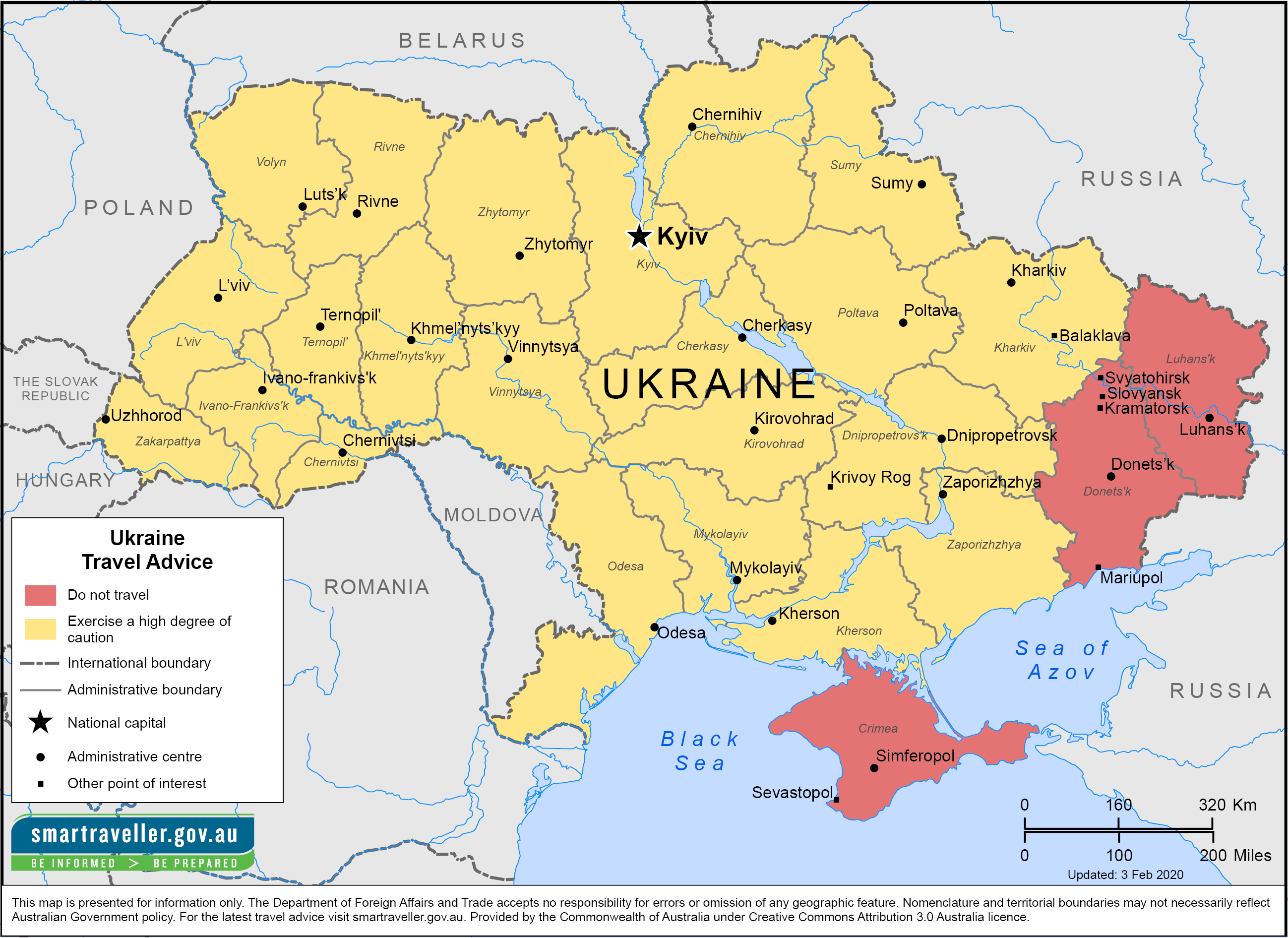
If you walk through Kyiv, Kharkiv, or Odesa during the heating season, you quickly notice how normal the abnormal has become. Cafes hum quietly on industrial-grade backup batteries. Apartment balconies sprout small solar setups and exhaust pipes for portable generators.
When the mercury drops to minus ten degrees Celsius, scheduled outages stretch for hours. Water pressure fluctuates or drops entirely when major pumping stations lose feed power. People don't panic; they organize. Community "Invincibility Points"—heated tents equipped with internet, medical supplies, and charging stations—open across every district.
The psychological toll is immense, but the population isn't broken. Years of living under bombardment have forged a grim, pragmatic resilience. People know how to drain their radiator systems just enough to prevent pipes from bursting during a prolonged freeze, and neighborhood WhatsApp groups coordinate who has a working gas burner to boil tea for elderly residents.
The Nuclear Threat Multiplier
A terrifying variable in this winter equation is nuclear safety. Ukraine's remaining operational nuclear power reactors provide the backbone of the country's electricity. However, the substations and transmission lines required to feed that power into the grid remain primary targets.
When a barrage hits key transmission nodes, nuclear plants are forced to dynamically emergency-reduce their output because the grid simply cannot absorb the current. International nuclear safety regulators have repeatedly warned that targeting the external power supplies of these facilities introduces unprecedented risks. It’s a dangerous game of grid chess where a single mistimed strike threatens regional catastrophe.
International Aid Versus Ground Realities
Global organizations and western allies pour millions of dollars into winter response plans—supplying rapid thermal kits, heavy insulation materials, backup transformers, and direct cash assistance so families can purchase emergency fuel.
But logistics are brutal. Heavy grid equipment takes months to manufacture and transport, creating a permanent lag between destruction and replacement. Bureaucratic delays in funding distribution often mean local repairs happen via sheer local improvisation rather than planned international logistics. Ukrainians have learned not to wait for committee approvals to fix a blown transformer.
Ultimately, survival through the freezing months isn't guaranteed by grand geopolitical strategies. It happens in the bas
Why Ukraine Surviving the Winter Depends on More Than Just Heat
news
Drop the optimistic rhetoric. When freezing temperatures lock down Eastern Europe, Ukraine faces a brutal seasonal war of attrition that extends far beyond the front lines. Everyone asks if the grid can hold. Everyone wonders if the heating plants will survive another wave of ballistic strikes. But the real story runs deeper, tangled in logistics, human endurance, and the quiet collapse of local industrial capacity.
If you look past the daily headlines about air defense packages, you'll see a nation engineering survival on a micro-scale. People aren't waiting for state rescue. They are welding small wood-burning stoves into apartment balconies, burying generators under reinforced concrete, and turning basements into communal hubs. It's gritty, exhausting, and entirely necessary.
The Grid Under Siege
Russia changed its playbook. Instead of targeting front-line logistics, the strategy zeroes in on distributed thermal power plants and high-voltage transformer substations. They want to freeze the country into submission.
When temperatures plunge below negative fifteen Celsius, a lack of power isn't just an inconvenience. It stops water pumps. It halts sewage treatment. It shuts down hospitals.
Yet, utility crews have gotten terrifyingly good at patch jobs. They swap out massive transformers in hours rather than weeks, using spare parts scavenged from across Europe. It's a high-stakes race between destruction and repair.
Why Spare Parts Matter Most
You can't buy grid-scale transformers off Amazon. These multi-ton units take months to manufacture. Ukraine relies entirely on international donors shipping massive, aging equipment from former Soviet-bloc nations that still use compatible electrical specifications.
When a substation takes a direct hit, the downtime depends on whether a warehouse fifty miles away has a matching component. That bottleneck dictates whether a city of a million people stays warm or evacuates.
The Human Cost Behind the Statistics
Numbers lose their meaning when you translate them into daily life. Millions of displaced citizens live in half-repaired prefab structures or crowded with host families in Western regions where housing costs have skyrocketed.
Fuel prices are brutal. Firewood costs double what it did two years ago. Pensioners spend half their monthly income just keeping a single room warm with electric heaters that trip the breakers whenever the neighborhood load spikes.
People are tired. The psychological weight of living through another dark, freezing season wears down the population faster than any military setback. Morale isn't sustained by speeches; it's sustained by hot tea, reliable internet routers powered by car batteries, and the stubborn refusal to let routine break down.
Decentralized Defense
Centralized infrastructure is a sitting duck. That reality forced a massive shift toward localized energy solutions.
Thousands of small businesses and apartment blocks installed rooftop solar panels paired with massive lithium battery banks last summer. Municipalities set up hundreds of independent warming tents called "Points of Invincibility," stocked with Starlink terminals, generators, and medical supplies.
This decentralized approach saved the country from total blackout last year, and it's carrying the weight right now. You can knock out a major coal plant, but you can't destroy fifty thousand independent balcony batteries and backyard generators.
What Actually Works on the Ground
If you want to understand how people endure months of near-total darkness, look at the micro-logistics.
- Power Banks: Every household owns at least two heavy-duty portable power stations to keep phones and Wi-Fi routers alive during rolling blackouts.
- Thermal Insulation: Basic window sealing and heavy draft stoppers have replaced sophisticated heating upgrades.
- Information Networks: Local Telegram channels coordinate instant alerts on missile trajectories, water outages, and emergency shelter locations faster than official state broadcasts.
The survival of Ukraine through the cold months isn't a guarantee written by politicians in foreign capitals. It's built block by block, wire by wire, by engineers working in the dark and citizens refusing to pack bags. The resilience is real, but the margins for error grow thinner with every single missile strike.


