Ukraine isn't just trying to make things blow up anymore. They're systematically choking the life blood out of Russia's domestic fuel distribution network.
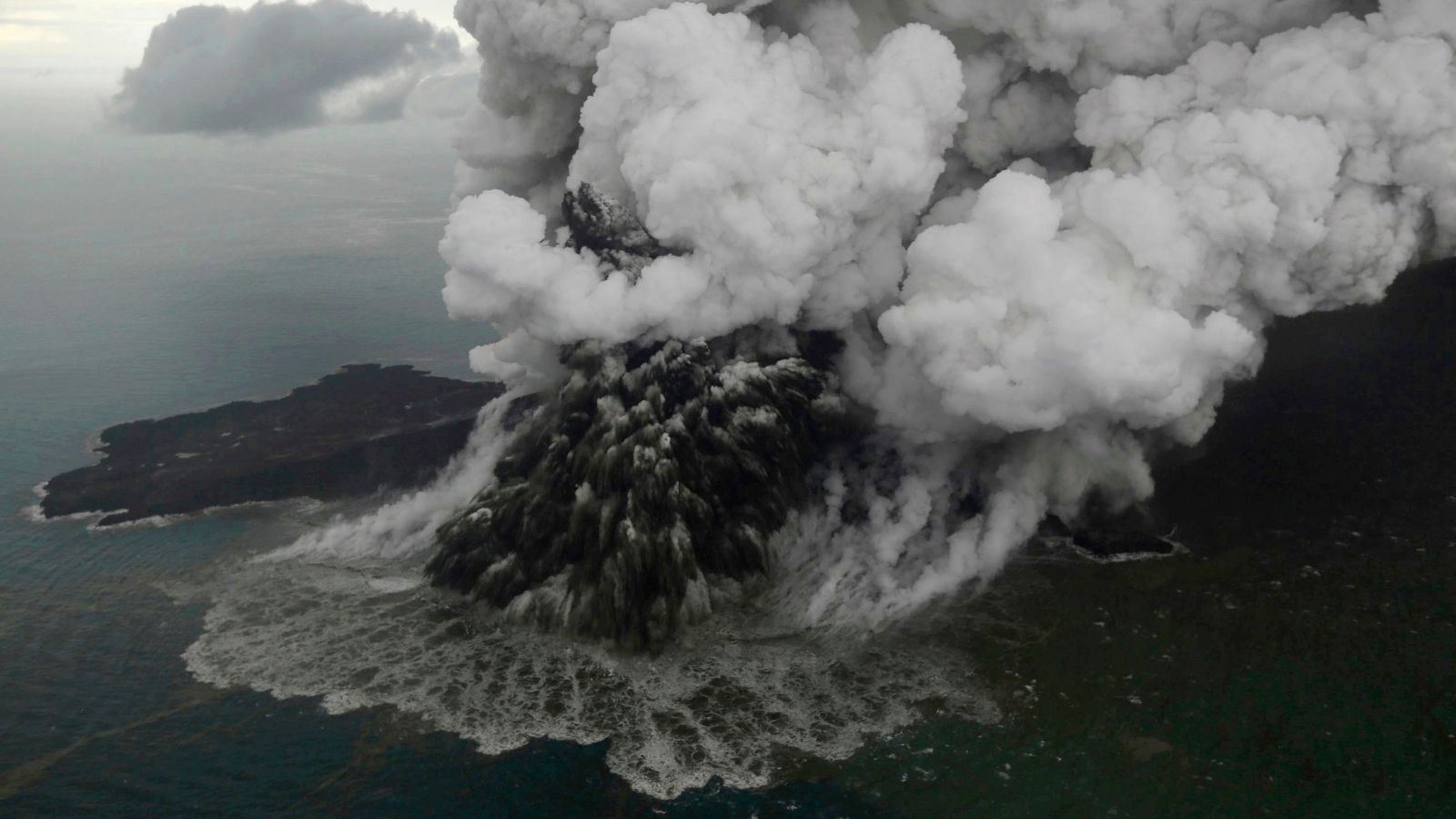
Overnight on June 13, 2026, Ukrainian long-range strike drones bypassed heavy air defense nets to strike deep inside the Volgograd region. The target wasn't just another open-air fuel depot. This time, Kyiv went after a critical oil preparation and pumping workshop near Kotovo, right in the Yefimovka settlement. The resulting industrial inferno was massive enough to light up NASA's satellite tracking systems.
If you think this is just another headline in a four-year war, you're missing the bigger picture. This strike marks a deliberate shift from hitting final refining endpoints to blinding the crucial midstream junctions that keep crude moving across the continent.
Dismantling the Midstream Bottleneck
Most news coverage focuses entirely on refineries. While taking out distillation towers hurts Russia's export capacity, hitting midstream infrastructure like the Kotovo pumping station hurts their immediate domestic logistics.
This specific facility does heavy lifting for the Kremlin's energy machinery. It collects, processes, and pumps crude from the local Korobkovskoye oil field, alongside neighboring reserves in the Astrakhan region and the Republic of Kalmykia. It acts as a massive funnel. If you block the neck of the funnel, it doesn't matter how much oil you have sitting upstream; it simply cannot get to where it needs to go.
I've watched how Ukraine's target selection evolved over the last year. They used to hit anything with a fuel tank. Now, they're looking at Transneft's network maps. By focusing on main pipeline infrastructure, Kyiv creates a cascading backup. When a pumping hub burns, the pipelines feeding into it experience immediate pressure disruptions. Production at the actual oil wells has to slow down because there's nowhere to store the extracted volume.
The One-Two Punch in Krasnodar and Volgograd
This wasn't an isolated incident. The strike near Kotovo was part of a coordinated, multi-region drone blitz. While the Volgograd facility burned, Ukraine's SBU security service and Special Operations Forces sent a wave of explosive drones into the Krasnodar region.
They targeted the critical Tamanneftegaz oil and gas terminal in the port of Temryuk. That strike wasn't small either. It took out five massive fuel tanks and completely wrecked two oil loading stands.
Let's look at the immediate damage from this double-sided assault.
- Volgograd (Kotovo): Complete disruption of the regional collection hub for the Korobkovskoye fields. This directly throttles feed lines going to southern refineries.
- Krasnodar (Temryuk): Heavy damage to marine loading infrastructure, which cripples the immediate maritime supply lines used to refuel occupation forces in southern Ukraine.
- The Refining Backstop: This occurs right after Lukoil's massive Volgograd refinery had to suspend its primary oil processing operations due to a previous strike.
Russian regional governors, including Volgograd's Andrei Bocharov, tried to downplay the event by describing it vaguely as a fire in an "industrial area." But the satellite data doesn't lie. Thermal anomalies detected from space show that the core processing infrastructure took direct hits.
What Most Analysts Miss About Russia's Energy Defenses
A common mistake is assuming Russia can just swap out broken parts and get these stations back online within days. They can't.
Midstream processing facilities rely on heavy, highly specialized industrial pumps and automated control systems. A lot of this infrastructure was built or modernized using European machinery. With strict Western sanctions tightening the screws over the last four years, finding immediate replacements for customized turbine pumps or proprietary software logic boards is a logistical nightmare.
Russia has to resort to sketchy intermediary networks just to get basic Western components. When a critical node like Kotovo gets hit, the repair timeline isn't measured in days. It's measured in months.
The Stranglehold on Military Logistics
The real impact of these strikes isn't found on Wall Street or global oil tickers. It's found at the front lines in Donetsk, Zaporizhzhia, and Kherson.
The Russian military doesn't use special, magic fuel for its tanks, transport trucks, and armored personnel carriers. They rely on the exact same commercial diesel and gasoline networks that supply Russian civilian infrastructure. By knocking out pumping hubs in Volgograd and maritime terminals in Krasnodar simultaneously, Ukraine is drastically increasing the distance fuel trucks must travel to reach frontline depots.
Every extra mile a fuel tanker travels is an extra mile where it can be spotted, tracked, and hunted by Ukrainian tactical drones.
If you want to track the true effectiveness of this campaign, stop watching global Brent crude prices. Watch the domestic Russian wholesale fuel market instead. Russian energy ministries have already had to acknowledge localized fuel shortages in various southern sectors this year. By keeping the pressure high on midstream bottlenecks, Kyiv ensures that the Kremlin is forced to make a hard choice: keep civilian gas stations filled to prevent domestic unrest, or prioritize the tanks on the frontline. They can't easily do both anymore.