The Silence Behind the Closed Doors
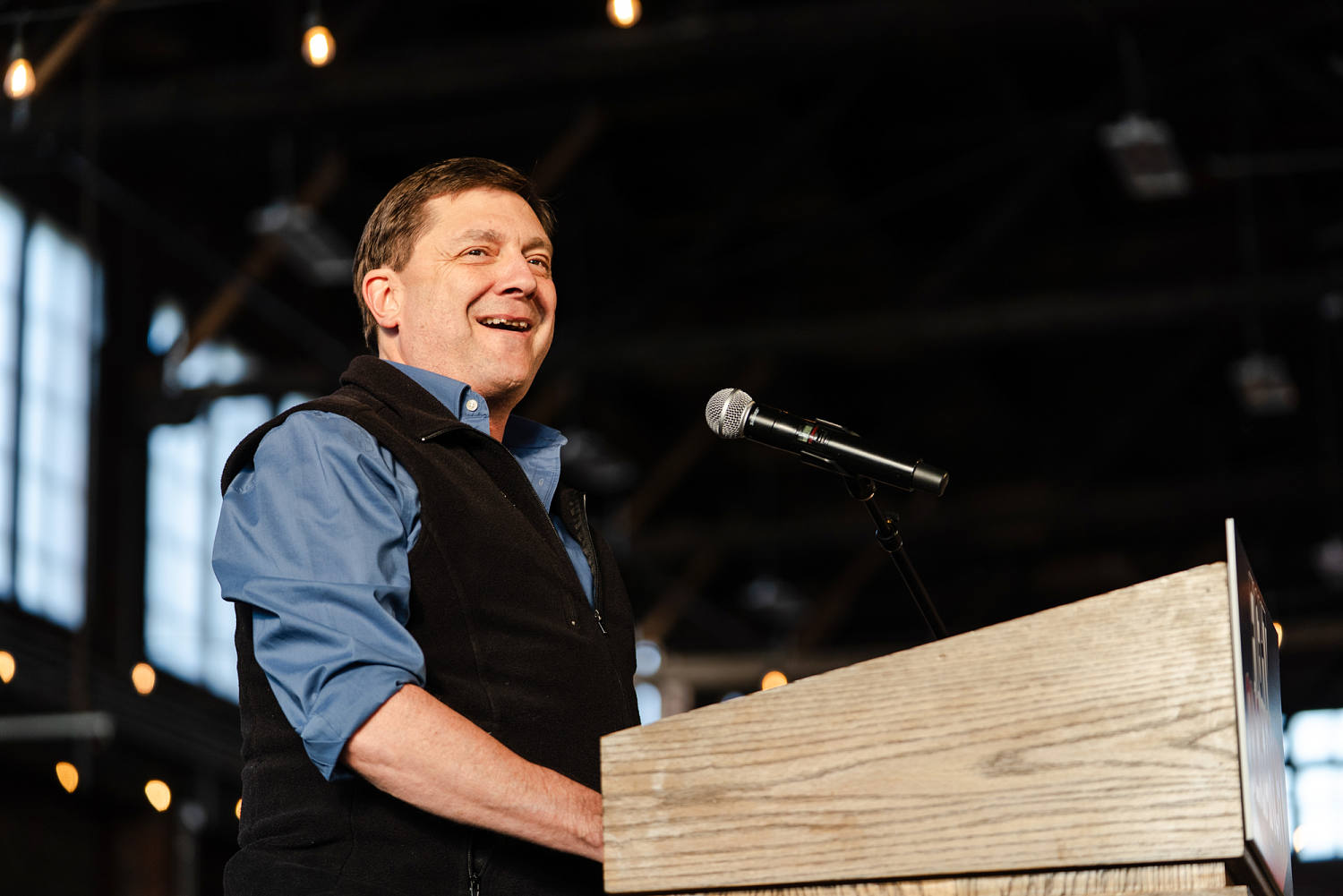
The air inside the community center smelled of stale drip coffee and wet woolen coats. Outside, a biting Atlantic wind whipped through the coastal pines, but inside, the atmosphere was suffocatingly still. Party organizers, local precinct captains, and long-time volunteers sat around a scarred folding table, watching a man in a rumpled suit adjust his microphone.
Everyone in that room knew what was supposed to happen next. Political playbooks dictate a specific kind of theater: public grievances, bitter primary challenges, and blood on the campaign trail before the inevitable, awkward show of unity.
Instead, Maine Democrats chose silence.
They stepped back from the edge of a primary fight that promised to split the party down the middle. On paper, it looks like a triumph of strategic discipline. Party leaders breathed a collective sigh of relief, dodging a costly, exhausting brawl that could have drained millions of dollars and fractured local coalitions.
Quietly stepping aside, however, is not the same thing as solving a problem.
By avoiding a public collision, Maine Democrats managed to keep their house intact for another season. But walking through an intact house doesn't mean the foundation is solid. Underneath the apparent calm, an uncomfortable question lingers in the drafty hallways of state politics: when you smooth over a rift to win an election, what happens to the unresolved energy that created the rift in the first place?
The Illusion of Order
Politics loves a clean narrative. Campaign managers prefer neat, predictable trajectories where candidates march in lockstep toward November.
Consider a hypothetical voter named Sarah. She lives in Penobscot County, works forty hours a week at a logistics firm, and spends her evenings calculating whether her heating oil budget will survive January. Sarah isn't a political operative. She doesn't track committee assignments or state convention rules. What she knows is that her life feels increasingly precarious, and she wants someone to channel her frustration into actual change.
When political parties broker peace behind closed doors to avoid public friction, voters like Sarah are left watching from the window.
Strategic unity often feels like institutional self-preservation to the people outside the room.
To party insiders, skipping a primary brawl is pragmatic. It saves money. It keeps negative advertisements off the local airwaves. It prevents candidates from handing their opposition a treasury of soundbites to use in the general election.
To the rank-and-file voter, though, a messy primary is sometimes the only place where raw, uncomfortable truths get aired. A fight means that competing visions of the future are actually battling for dominance. When that fight is called off, the message sent to the electorate is subtle, yet damaging: We have decided what is best for you, so you don't have to worry about choosing.
What Lies Beneath the Calm
Maine’s political climate has always been an anomaly. It is a state where independent voters routinely outnumber party loyals in key districts, where ranked-choice voting has rewired traditional strategies, and where the divide between the coastal towns and the rural interior runs deep.
When national observers look at Maine, they see electoral math. They calculate seat projections and monitor fundraising totals. But local politics is fundamentally emotional. It is built on trust, shared hardship, and the belief that leadership understands the daily grind of living in a place where winters are long and resources are thin.
- Cold logic says: avoid the fight.
- Human nature says: address the anger.
By managing to head off a primary battle, the party hierarchy successfully contained a wildfire. But fires serve a biological purpose in forests; they clear out the dead brush so new growth can reach the sunlight. When you suppress every spark, the dead brush accumulates.
Local organizers know this. In living rooms from Bangor to Portland, the conversations aren't about party unity. They are about rising rent, working two jobs to keep up with property taxes, and feeling like national political machines view Maine as a chessboard rather than a home.
The truce at the top doesn't automatically heal the friction at the bottom.
The High Price of Playing It Safe
Uncertainty is a stubborn thing. You can push it out of the headlines, but it sneaks back into the room through the cracks in the floorboards.
The real danger of avoiding a messy internal battle isn't that the party looks weak today. The danger is that it becomes brittle tomorrow. When a political organization prioritizes short-term harmony over deep, structural debate, it trades immediate risk for compound interest on future instability.
Imagine driving a car with an engine that has begun to knock. You can turn up the radio. You can focus on the road ahead, admiring the scenery and congratulating yourself on making good time. The music might sound great, and for a few miles, you can pretend the knock isn't there.
Eventually, you hit a steep hill.
Maine sits right at that steep hill. The political landscape heading into the next election cycle is volatile, shaped by economic pressures that don't care about party endorsements or strategic truces. Voters are restless, independent-minded, and increasingly resistant to top-down orchestration.
A Room Left Waiting
Late in the evening, after the speeches finish and the cameras are packed into the trunks of sedans, the community center returns to its natural state. The folding chairs are stacked against the wall. The fluorescent lights hum in the empty room.
The truce is signed. The fight was avoided. The headlines tomorrow will report that order was maintained, that the party avoided a disastrous feud, and that the path forward is clear.
Outside, the Atlantic wind keeps blowing against the pines.
The voters of Maine are still there, waiting in the dark, wondering if anyone inside that room actually heard what they were trying to say.