Airline executives love promising that operations will bounce back "by the end of Sunday." If you've ever spent twelve hours sleeping on the carpeted floor of Terminal B at O'Hare, you know that promise feels like a sick joke.
Here's the truth. When a major storm, a software crash, or an air traffic control ground stop wrecks the domestic flight grid, US air travel really does usually stabilize by Sunday night. Not because the airlines magically fixed everything, and definitely not because they suddenly hired a thousand extra pilots over the weekend. It happens because the entire American aviation network runs on a rigid weekly rhythm that resets between Sunday evening and Monday morning. Meanwhile, you can find similar stories here: Stop Blaming the Airlines When the Skies Shut Down.
Understanding how that reset works won't magically put you on a plane when your flight gets canceled on a Friday afternoon. It will, however, stop you from making the rookie mistakes that leave stranded travelers stuck in airport hotels until Wednesday.
The Domino Effect Inside A Hub-And-Spoke Network
Most travelers think of a flight as a simple trip from Point A to Point B. Airlines don't operate that way. Major US carriers like Delta, United, and American rely on a hub-and-spoke system that acts like a giant mechanical watch. To see the bigger picture, check out the detailed analysis by Condé Nast Traveler.
If one gear snaps in Atlanta or Dallas-Fort Worth, the whole thing grinds to a halt.
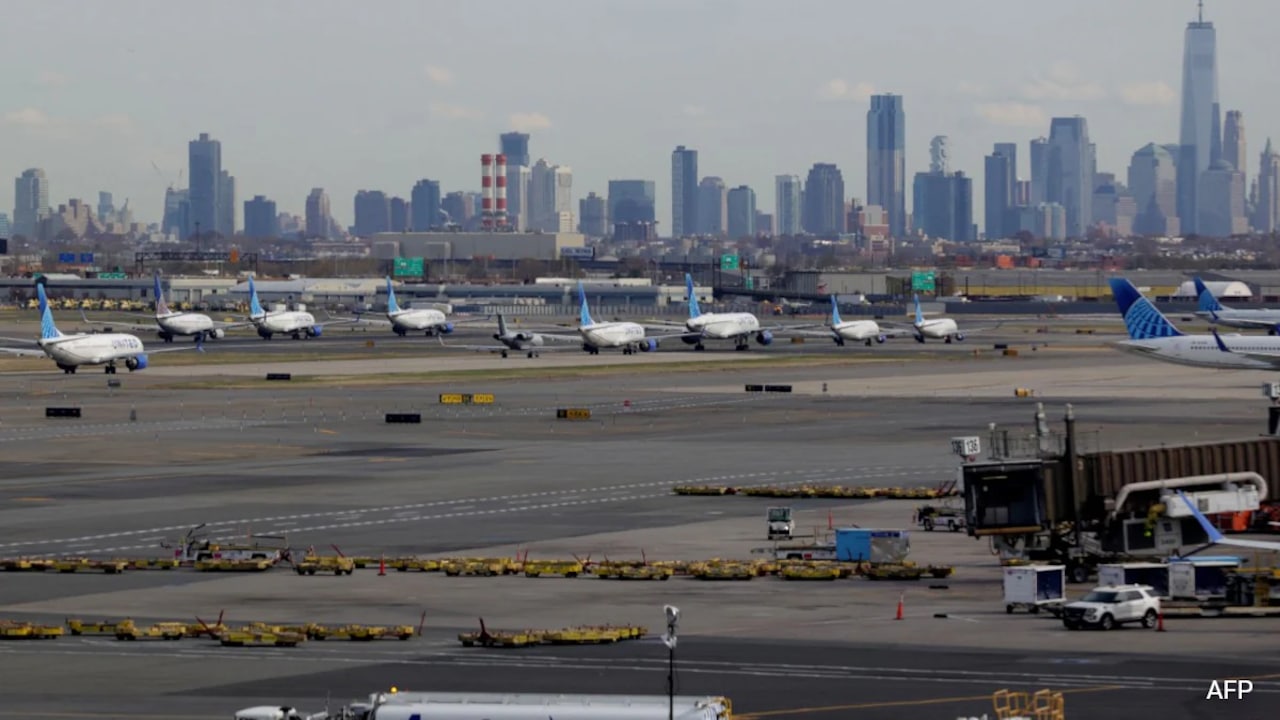
Think about what happens when severe thunderstorms close the airspace over Newark for just four hours on a Thursday evening. Those planes sitting on the tarmac in New Jersey were supposed to fly to Chicago, Denver, and Miami later that night. Because they're stuck, the morning flights out of Denver and Miami don't have aircraft. By Friday afternoon, a localized weather event on the East Coast has stranded passengers in Seattle who haven't seen a raindrop all week.
Aircraft positioning is only half the headache. Flight crews are the real bottleneck.
The Federal Clock That Governs Every Pilot
Under Federal Aviation Administration (FAA) regulations, specifically 14 CFR Part 117, commercial pilots face strict limits on how long they can fly and how long they can be on duty. These rules exist so exhausted pilots aren't landing 200-ton jets in crosswinds. Good for safety. Terrible for schedule recovery.
When a flight sits delayed at the gate for three hours, the crew's legal duty clock keeps ticking. Even if the weather clears and the runway opens, the captain might legally "time out" right before pushback.
Once a crew times out, the airline can't just ask them to push through for an extra hour. That's a federal violation. The carrier has to find a reserve crew, fly them in from another city if none are stationed locally, and put the timed-out crew into a hotel for a mandatory rest period. Meanwhile, the plane sits empty at the gate, blocking another incoming flight from parking.
Why Sunday Night Is The Magic Reset Button
So why does the industry consistently point to Sunday night as the finish line for major disruptions?
It comes down to passenger volume and schedule padding.
During peak travel days—usually Thursday, Friday, and Sunday afternoon—US airlines run their fleets at nearly 100% capacity. Every plane is scheduled to fly four to six legs a day with minimal turnaround time on the ground. There's zero slack in the rope. When a disruption hits during peak demand, airlines don't have spare jets sitting around in hangars waiting to rescue stranded flyers.
Saturday changes the math.
Historically, Saturday is the lightest travel day of the week for domestic aviation. Business travelers are home. Leisure flyers either left on Thursday or Friday, or they're waiting until Sunday to fly back. Because fewer people are flying on Saturday, airlines operate slightly reduced schedules.
That breathing room gives dispatchers their first real chance to start repositioning aircraft and deadheading crews—which is industry speak for flying off-duty pilots and flight attendants as passengers just to get them to the cities where they're needed.
The Overnight Maintenance Window
The real magic happens late Sunday night into early Monday morning.
Domestic passenger traffic drops off a cliff after 9:00 PM on Sunday. Red-eye flights cross the country from the West Coast to the East Coast, but the vast majority of the US commercial fleet parks at gates and maintenance bases overnight.
This overnight quiet period lets airlines execute what operations centers call a "hard reset."
- Aircraft ferrying: Airlines fly empty planes from hubs where they got stuck to the regional airports where Monday morning's 6:00 AM departures originate.
- Crew realignment: Flight attendants and pilots complete their mandatory rest windows overnight, stepping onto Monday morning flights with fresh FAA duty clocks.
- System clearing: The backlog of rebooked passengers from Friday and Saturday finally clears out as Sunday's late-night flights absorb the remaining standby lists.
By 5:00 AM on Monday, the aircraft are at the right gates, the crews are rested, and the watch starts ticking cleanly again. That's why headlines constantly state that US air travel will return to normal by the end of Sunday. It isn't PR spin. It's basic logistics.
What Airlines Won't Tell You About "Normal" Operations
Here's where most news coverage gets lazy. When an airline spokesman says operations are "back to normal" on Sunday night, they mean their schedule is back on track. They don't mean every stranded passenger has reached their destination.
If your Friday night flight got canceled during a summer meltdown, you aren't automatically put on the next plane out on Saturday morning. Remember, those Saturday flights were already 85% to 90% full before your flight got scrubbed. An Airbus A321 holds roughly 190 people. If three flights get canceled at one hub, you suddenly have nearly 600 displaced travelers fighting over maybe 15 empty seats on the next flight.
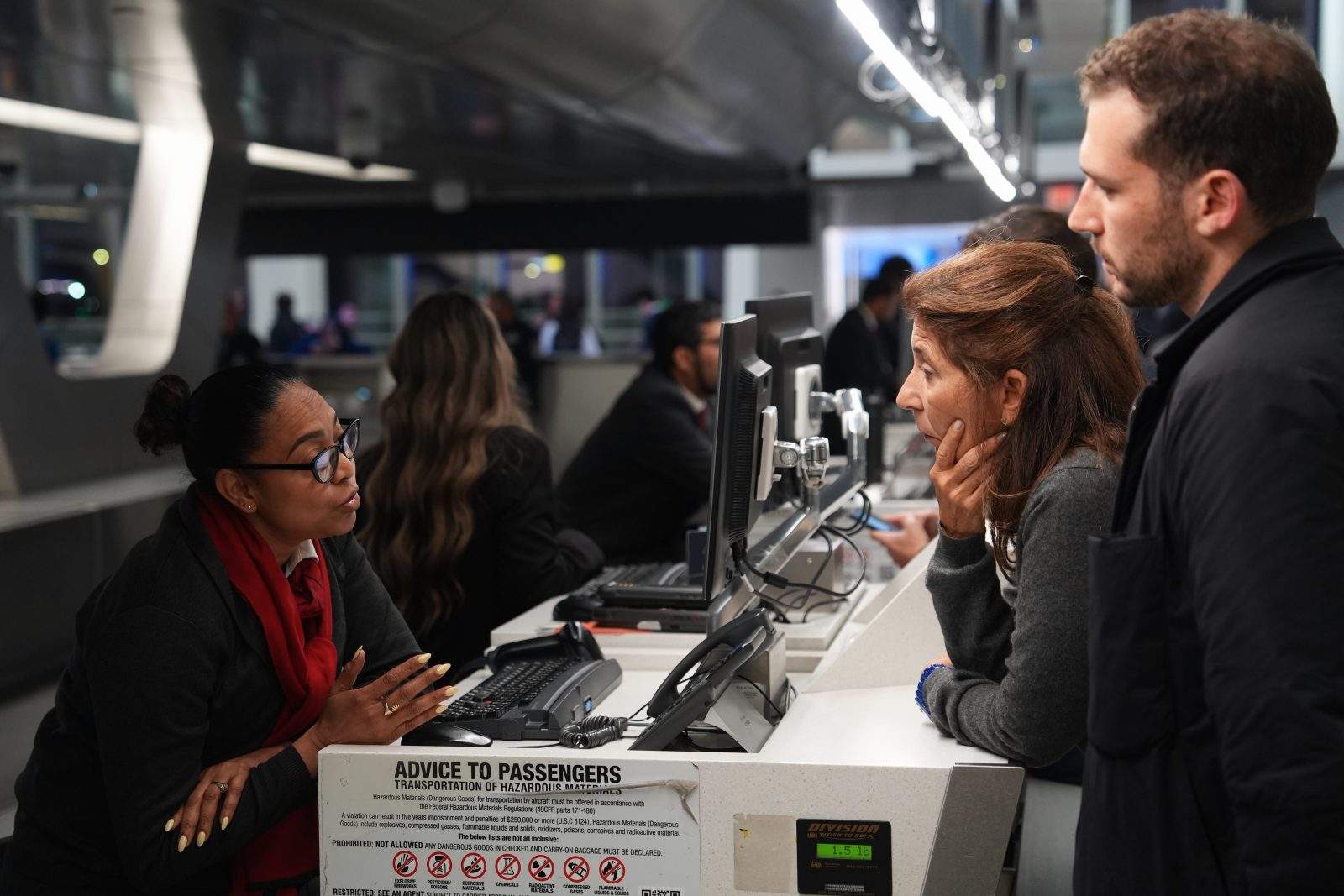
I've watched travelers stand at customer service desks for four hours just to be told the next confirmed seat isn't available until Tuesday afternoon.
The Illusion Of The Rebooking Queue
Automated rebooking algorithms are ruthless. When a mass cancellation happens, the airline's computer system immediately starts assigning displaced passengers to open seats over the next 48 to 72 hours.
Status rules everything here.
Passengers holding top-tier airline status—like Delta Diamond Medallion or United 1K—get scooped up by the algorithm first and placed on the earliest available flights. Basic economy ticket holders sit at the very bottom of the digital barrel. If you booked a basic economy fare through a third-party travel site, the airline's automated system treats you like an afterthought. You'll be the last person offered a seat, which is why some flyers don't actually make it home until mid-week even after the airline declares victory on Sunday night.
How To Beat The Sunday Recovery Bottleneck
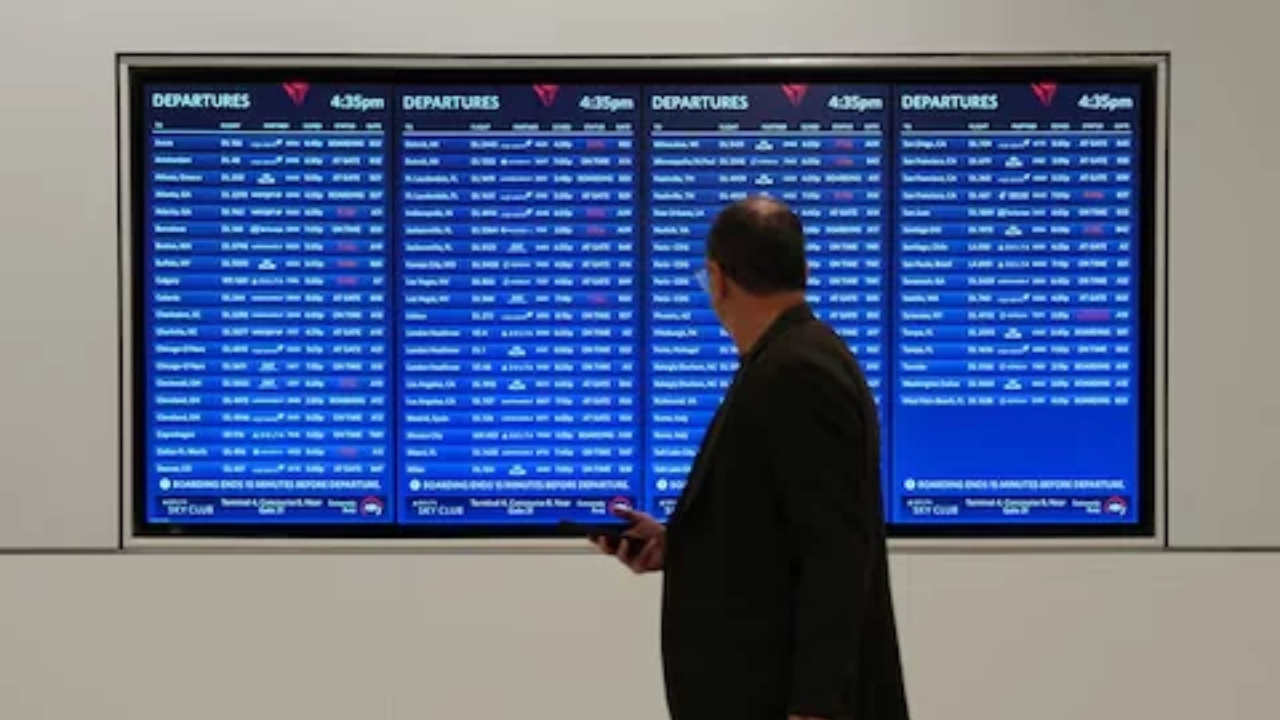
You can't control summer thunderstorms over Atlanta or winter blizzards in Denver. You can control how you react the exact second your flight turns red on the departure board.
Stop waiting in the customer service line at the terminal. Seriously. By the time you walk off the jet bridge and join a line of 150 angry people, every decent seat on Saturday and Sunday has already been claimed by people sitting in the airport lounge on their phones.
Do these four things instead:
- Call the international support line. While thousands of stranded flyers jam the main US toll-free number, the airline's international desks—like their UK, Canadian, or Australian numbers—often have almost zero hold time. Use a VoIP app if needed. Those agents access the exact same reservation system and can rebook you in three minutes.
- Search nearby airports yourself. Don't ask an agent "what do you have?" Tell them what you want. Pull up Google Flights, look at regional airports within a two-hour drive of your destination, and give the agent the exact flight numbers. If you're stuck trying to reach Washington Dulles, ask to be routed into Baltimore or Reagan National instead.
- Request an interline transfer. If your disruption was caused by a mechanical failure or crew shortage—meaning it's the airline's fault, not the weather—major carriers have agreements allowing them to put you on a competing airline. They won't offer this voluntarily because it costs them money. You have to explicitly ask the agent to "push my ticket over" to another carrier that has open seats.
- Book a refundable backup. If you absolutely must be somewhere by Sunday, open another airline's app and buy a one-way ticket on a competitor while you wait for your original airline to sort itself out. Under Department of Transportation rules, if your original flight is canceled or significantly delayed and you choose not to travel on it, the airline must give you a full cash refund—not a travel voucher—even if you bought a non-refundable ticket.
The Real Cost Of Cutting Margins To The Bone
US airlines have spent the last decade optimizing their schedules for maximum profit. Tight turnarounds, packed cabins, and lean staffing keep fares relatively low when the sun is shining across the country.
The trade-off is fragility.
When you strip all the buffer out of a system, minor hiccups turn into multi-day meltdowns. Airlines know this. They've calculated that absorbing a chaotic weekend every couple of months is cheaper than paying pilots to sit around on standby or keeping empty jets parked at hubs just in case a storm rolls through.
Sunday night will always be the target for recovery because the math demands it. Until airlines build actual slack back into their weekend schedules, your best defense isn't trusting their press releases—it's knowing how to work around the system before everyone else in the terminal realizes they're stuck.