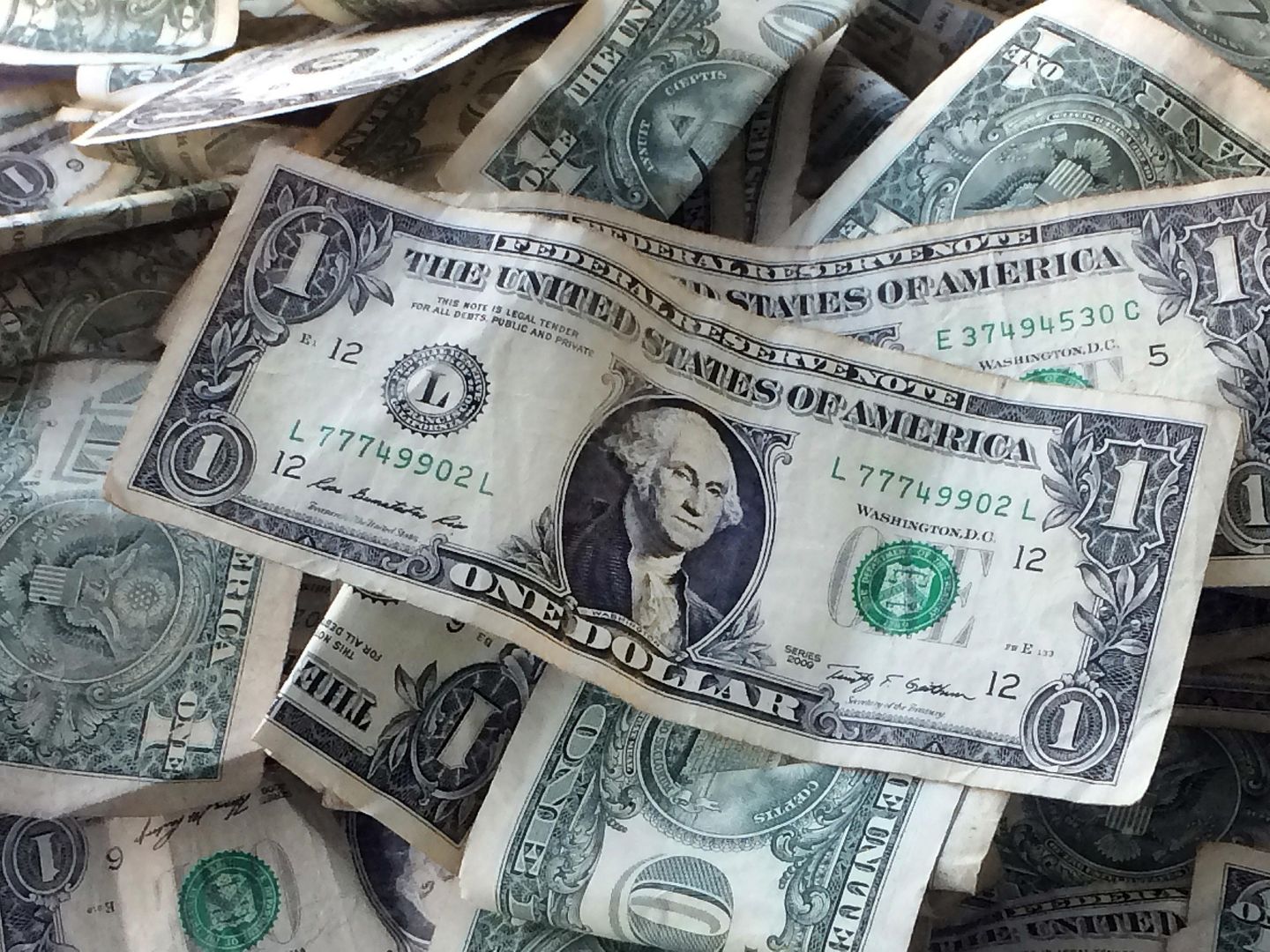
Every few years, someone writes an obituary for the greenback. They point to rising national debt, alternative payment systems in Asia, or central banks hoarding gold, and they declare that the king is dead. It makes for compelling headlines. It also ignores how global finance actually works.
The US dollar remains the undisputed heavy of the international monetary system. You can talk about de-dollarization all you want, but the plumbing of global trade still runs on American currency. Let's look at why the bruised dollar refuses to give up its crown and what people constantly miss about its dominance.
The sticky nature of global financial habits
Money isn't just a medium of exchange. It's a network. When everyone else is already using the same network, switching costs are astronomical.
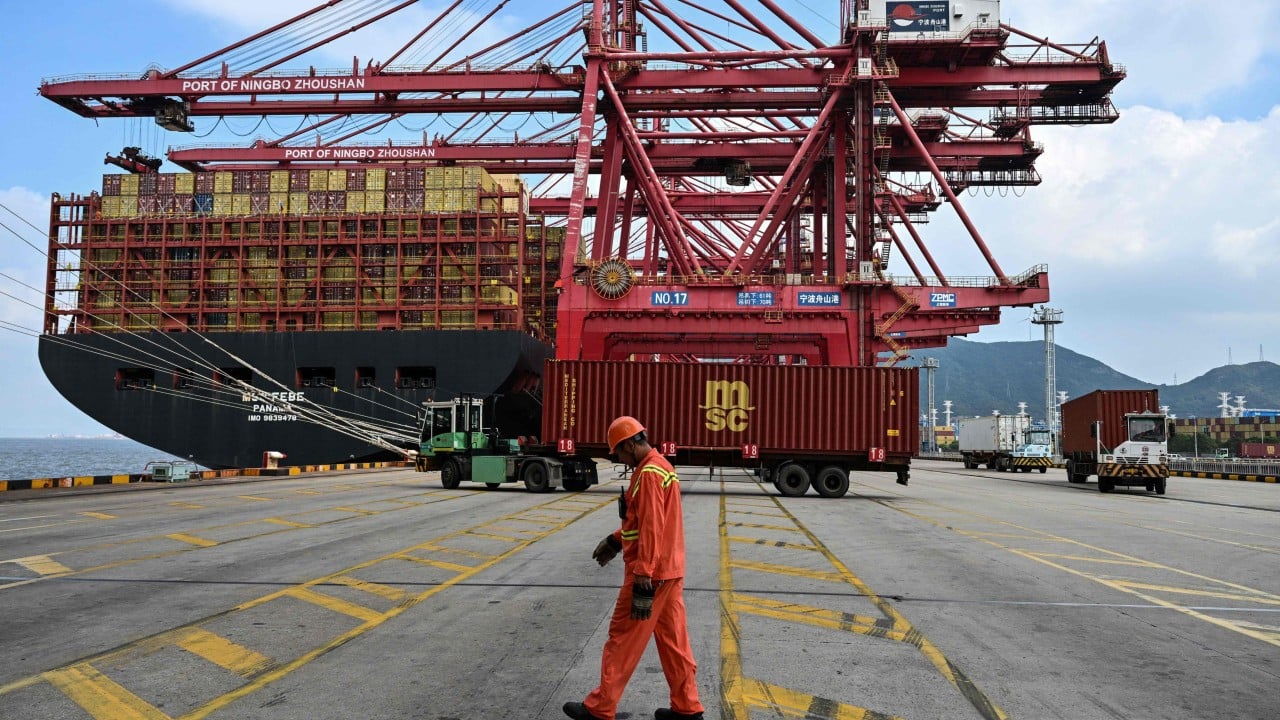
Think about why people still use certain software or messaging apps even when better ones exist. Liquidity attracts liquidity. If you're a commodity trader in Brazil selling oil to a buyer in South Korea, you don't quote prices in Brazilian real or South Korean won. You use the dollar. Why? Because you know you can take those dollars and immediately buy machinery from Germany, pay shipping costs in Singapore, or park them safely in US Treasuries.
De-dollarization sounds great in geopolitical speeches, but shifting supply chains, invoicing habits, and bond markets takes decades, not months. Central banks aren't holding dollars out of blind loyalty. They hold them because there is no alternative with enough depth, safety, and liquidity to absorb trillions of dollars without breaking.
Debt and deficits don't kill a currency by themselves
Critics love to wave around America's staggering national debt. They argue that printing money and running massive budget deficits will inevitably destroy the dollar's value.
History says otherwise. A currency doesn't need to be backed by a squeaky-clean fiscal balance sheet to rule the world. It needs to be backed by deep capital markets, the rule of law, and a massive, productive economy where investors can actually deploy capital.
Other nations might want an alternative, but where are they going to put their money? European debt markets are fragmented across multiple countries with different fiscal rules. China's capital controls make the yuan a non-starter for anyone who wants to move large sums of money in and out without government permission. You can't store trillions of dollars in an asset class you can't freely exit.
The weaponization factor and its limits
Washington has spent years using the dollar as a geopolitical cudgel. Financial sanctions against adversaries like Russia, Iran, and Venezuela have accelerated talks of escaping the US financial orbit.
It's true that sanctions have forced countries to look for escape hatches. Bilateral trade in local currencies between China and Russia has surged. Digital currency experiments are rolling out across multiple emerging markets.
Yet, circumventing the dollar for specific bilateral trades is a far cry from replacing it as a global reserve asset. When nations try to trade in local currencies, they quickly run into a classic problem: the trade imbalance. If India buys a lot of Russian oil in rupees, Russia ends up sitting on billions of rupees it cannot easily spend anywhere else. Eventually, they have to buy something from India or convert those rupees into something globally accepted. Guess what that usually turns out to be? Dollars.
What to watch instead of the headlines
Stop listening to pundits who claim the dollar's collapse is right around the corner. Instead, pay attention to structural shifts that actually matter.
Watch the growth of alternative payment corridors, central bank gold purchases over rolling five-year windows, and how deeply multinational corporations integrate non-dollar invoicing into their supply chains.
The dollar is battered. It takes hits from political gridlock, inflation waves, and fiscal recklessness. But it remains the only game in town because global commerce demands a heavyweight anchor, and right now, nobody else has built a heavier one.