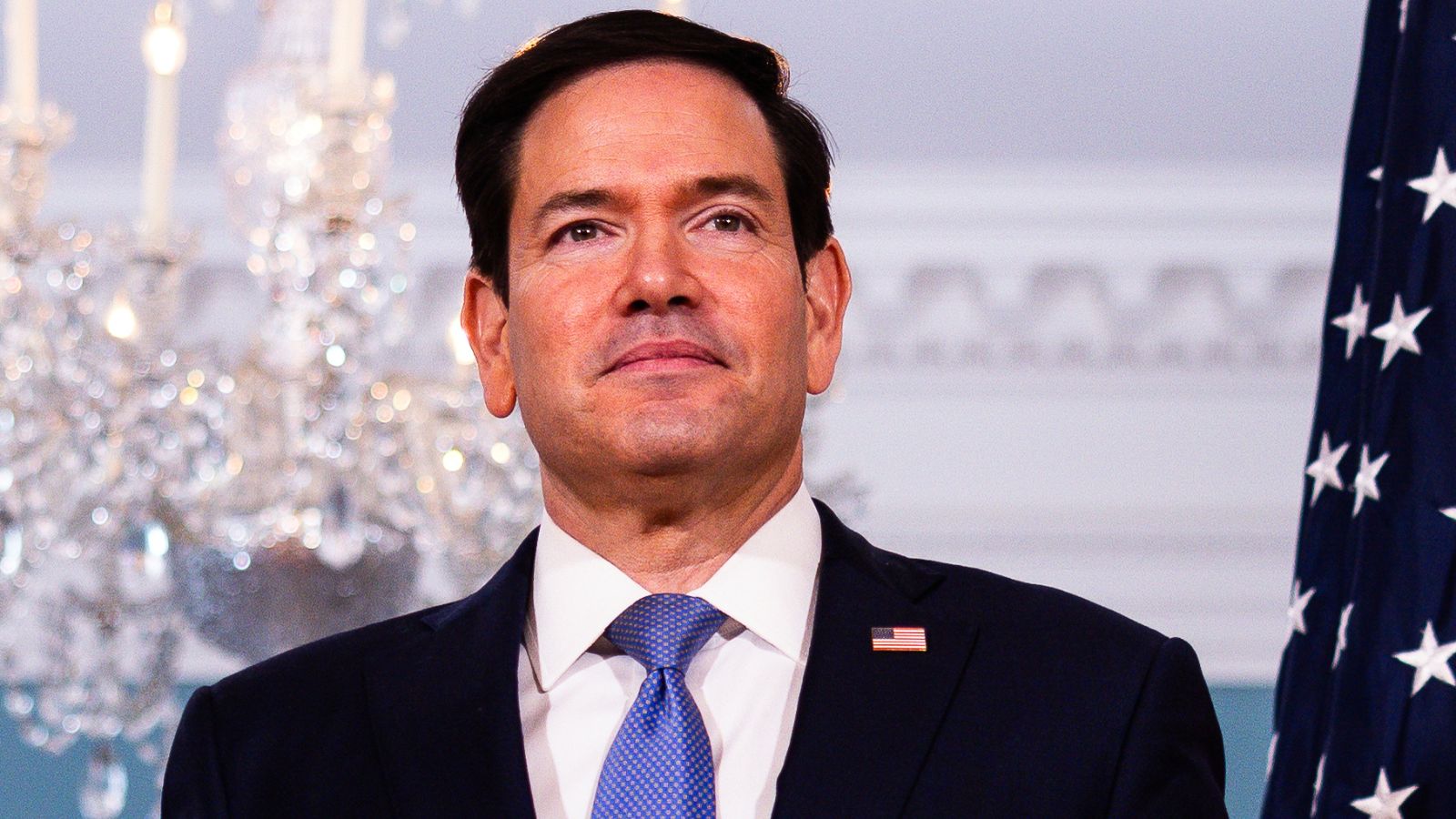
Diplomats love to hand out empty praise. They call every handshake historic and every trade deal a milestone. But when US Under Secretary of Economic Affairs Jacob Helberg stood up at the second Pax Silica Summit in Washington, he skipped the usual fluff. He pointed directly at New Delhi and called the relationship between Washington and New Delhi the single most consequential bilateral relationship of the twenty-first century.
That is not just polite talk. It is a calculated recognition of a shifting global reality.
If you look closely at what happened behind closed doors during this high-level summit, you see something much deeper than a standard security pact. This is about who controls the brains of the future global economy. The United States and India are locking arms to rewrite the rules of artificial intelligence, microchips, and critical minerals. They are doing it because they have to. The alternative is letting Beijing control the global supply chains that keep the modern world running.
The High Stakes Behind the Pax Silica Alliance
Many observers still look at global alliances through an outdated lens. They think about traditional military deployments or standard free-trade agreements. Pax Silica is neither of those things. It is an economic and technological defense pact built for a world where software and hardware dictate national sovereignty.
The initiative started last December, and New Delhi formally jumped on board in February during the AI Impact Summit. This week, the second gathering brought corporate bosses and government officials together to turn abstract policy into hard reality. The core premise is simple. Future security will belong entirely to the nations that control the artificial intelligence value chain.
You cannot run advanced AI models without advanced semiconductors. You cannot build those semiconductors without a steady supply of critical minerals. Right now, China dominates that mineral market. Washington knows it cannot break that dominance alone. It needs a partner with massive scale, deep technical talent, and a shared interest in checking Beijing's ambitions. India fits that description perfectly.
The strategy here isn't subtle. It is a deliberate effort to decouple vital industries from Chinese manufacturing. By moving supply chains into a trusted network of nations, the US and its allies want to build an alternative tech ecosystem. India was one of the first top ten countries invited into this fold. That invite did not happen by accident. It happened because Washington realized that without Indian engineering talent and manufacturing capacity, any attempt to isolate China's tech sector is bound to fail.
The Anthropic Fable Dispute and the Fear of Sudden Cutoffs
Despite all the praise and public alignment, things get complicated when you look at the actual code. The true test of this partnership is playing out right now over advanced software access. Behind the scenes, officials are locked in sensitive, high-stakes negotiations regarding the export of frontier AI systems.
The friction became visible after the US Commerce Department issued a directive restricting foreign nationals from accessing newly launched AI models, specifically Anthropic's Claude Fable 5 and Mythos 5. The rule was designed to keep top-tier American innovation out of adversarial hands. But it accidentally caught India in the crossfire.
India's Ministry of Electronics and Information Technology Secretary, S. Krishnan, brought this grievance straight to Washington. India is rapidly embedding advanced software into its public infrastructure, digital governance, and corporate sectors. You cannot build long-term state infrastructure on technology that might disappear tomorrow morning.
Krishnan demanded clarity. India needs explicit assurances that it will not face sudden, unilateral cutoffs due to shifting regulations in Washington or sudden decisions by private American boards. If India is going to risk its geopolitical position by aligning so closely with the West, it expects to be treated as a true insider, not a secondary customer.
Helberg confirmed these discussions are ongoing, labeling them sensitive national security matters. The American approach remains gradual and measured. Washington wants to protect its crown jewels while ensuring its closest allies remain equipped. The outcome of these talks will show whether this alliance is a genuine partnership of equals or just a series of transactional deals.
Putting Real Money on the Table with Pax Pass and Stanford
True alliances require more than signed papers. They require infrastructure and cash. To prove the US is serious, Helberg used the summit to announce a fifty-million-dollar foreign assistance fund to launch a platform called Pax Pass.
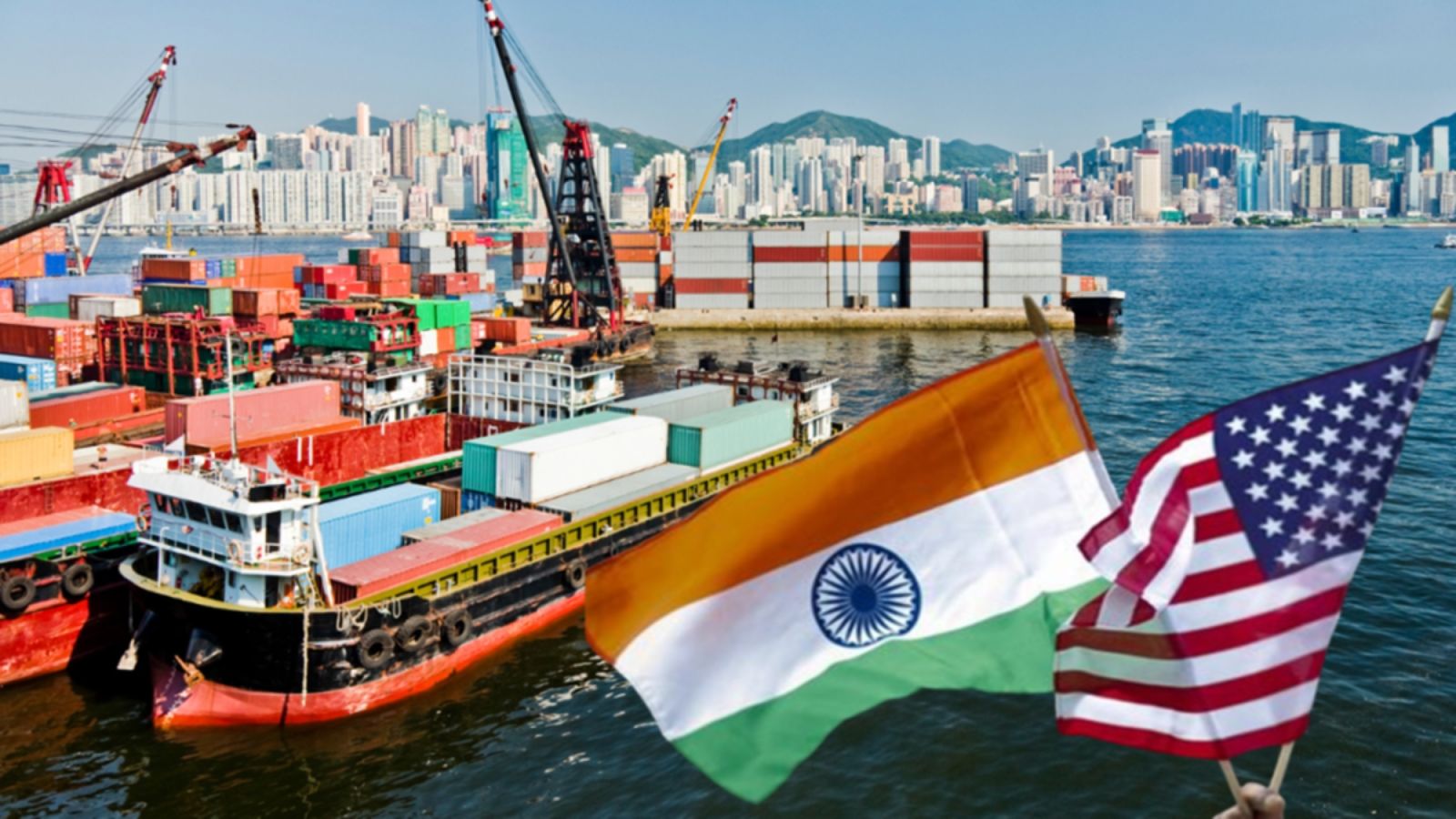
Consider the friction in moving high-value tech components across borders. If you are shipping critical hardware, it gets stuck in customs, undergoes endless security checks, and slows down the entire manufacturing cycle. Pax Pass aims to solve this by creating an expedited logistics corridor through Panama for trusted partners.
- Cargo Verification: Standardized tracking to ensure shipments are not tampered with.
- AI Risk Assessment: Automated scanning to flag anomalies without slowing down compliant cargo.
- Pre-Approved Processing: Fast-tracked customs clearance for businesses vetted by member states.
This is a practical mechanism to make the alternative supply chain faster and cheaper than relying on old routes. If you make it easier for businesses to move goods through trusted channels, they will naturally migrate away from risky suppliers.
Alongside Pax Pass, the alliance is launching the Foundry School in collaboration with Stanford University. The goal is to build an elite workforce across the member economies. Stanford and the US State Department are designing a specialized curriculum focused on advanced manufacturing and industrial enterprise management. This curriculum will be exported to educational institutions within the partner nations, including India. It addresses a major bottleneck in the tech transition. You can build all the factories you want, but if you do not have the specialized engineering leadership to run them, the machines sit idle.
Moving Beyond Diplomatic Talk
For decades, the story of US-India ties was a story of missed opportunities and mutual hesitation. New Delhi closely guarded its strategic autonomy, hesitant to get dragged into Washington's global calculations. Washington often viewed India as an unpredictable partner that refused to align with Western security frameworks.
Those days are over. The sheer scale of the challenge presented by an assertive Beijing has forced both sides to drop their traditional hesitation. Look at the numbers that define the current relationship. India now conducts more military exercises with the United States than with any other country on earth. On the economic side, the US has become India's largest export market.
Indian Ambassador Gor pointed out that this closeness is built entirely on practical dependence. When the American consumer needs generic medications, roughly forty percent of those supplies come directly from Indian manufacturers. That level of integration requires deep trust. You do not source nearly half your medicine from a country you think might turn on you.
The tech collaboration is following the exact same blueprint. We are seeing major structural projects designed to tie the two economies together permanently. Google is currently deploying a massive trans-Pacific submarine cable system that will directly link the Indian mainland to the United States. This isn't just about faster internet speeds. It is about creating physical infrastructure that bypasses traditional choke points and secures data transmission between the two democracies.
The Reality of the New Silicon Order
This alliance is not driven by shared values or a mutual love of democracy, no matter what the press releases say. It is driven by raw, cold economic survival.
The corporate sector is already moving ahead of the politicians. Indian tech hubs are shifting from basic software services to advanced hardware manufacturing and semiconductor design. American chipmakers are pouring billions into testing and packaging facilities across India. The goal is clear. They want an ecosystem where an AI chip can be designed in California, manufactured using minerals sourced through trusted networks, packaged in India, and shipped through secure channels like Pax Pass without ever touching an adversarial border.
It is a massive gamble, and it won't be easy. Building semiconductor ecosystems takes decades and requires insane amounts of water, stable power, and regulatory consistency. India still struggles with bureaucratic red tape, and its infrastructure requires massive upgrades to compete with the hyper-efficient clusters in eastern China.
The US also has to fix its own internal contradictions. It cannot claim India is its most critical ally while simultaneously blocking Indian engineers from accessing the newest frontier models over vague regulatory fears. If Washington wants New Delhi to be its ultimate tech shield, it has to give Indian engineers the keys to the laboratory.
Action Steps for Tech and Industrial Leaders
If you are running a business in the technology, logistics, or manufacturing sectors, you cannot afford to treat these diplomatic summits as background noise. The decisions made at the Pax Silica Summit will dictate where capital flows over the next ten years.
First, review your reliance on single-source suppliers for critical components. If your production line depends entirely on components manufactured inside China, you face a growing compliance risk. Federal procurement rules in the US and its allied nations are tightening rapidly. Start exploring supply partnerships within the early Pax Silica member states, with a specific focus on India's expanding manufacturing zones.
Second, prepare your workforce strategies for the incoming shift in advanced manufacturing. Keep an eye on the rollout of the Stanford Foundry School curriculum. Vetting your engineering teams against these new international standards will make your operation a preferred partner for multinational tech firms looking to de-risk their operations.
Third, monitor the development of the Pax Pass platform. If your logistics team can integrate with these pre-approved, AI-verified shipping lanes early, you will gain a significant speed advantage over competitors stuck in traditional, slow-moving customs pipelines. Aligning your compliance frameworks with these trusted data standards now will prevent massive bottlenecks when the system goes fully operational.
The technological map of the world is being redrawn right now. The old system of globalized, single-source manufacturing is dead. A new, bifurcated reality is taking its place. The choices your business makes today will determine which side of that line you end up on.