The illusion of a quick peace in the Middle East has completely evaporated. Anyone hoping that the Islamabad Memorandum would bring a quiet summer received a harsh reality check this weekend. The tentative ceasefire is dead.
Donald Trump officially declared the truce over after a wild sequence of events involving assassination chants, secret drone strikes, and a high-stakes standoff over global shipping lanes. It is a massive mess. Right now, global energy markets are sweating, regional mediators are panicking, and both Washington and Tehran are staring each other down with fingers resting directly on the launch buttons.
The core issue driving this collapse is simple. Neither side can agree on who actually owns the Strait of Hormuz, and neither side wants to look weak at home. Trump wants total submission. Iran's new leadership wants revenge. When you mix those two ingredients, diplomacy goes out the window fast.
The Fuel on the Fire
Things spiraled out of control during the massive, dayslong funeral ceremonies for the late Supreme Leader Ayatollah Ali Khamenei, who was killed when the war kicked off on February 28. Mourners filled the streets of Tehran and Iraqi cities holding up banners calling for the assassination of Trump and Israeli Prime Minister Benjamin Netanyahu.
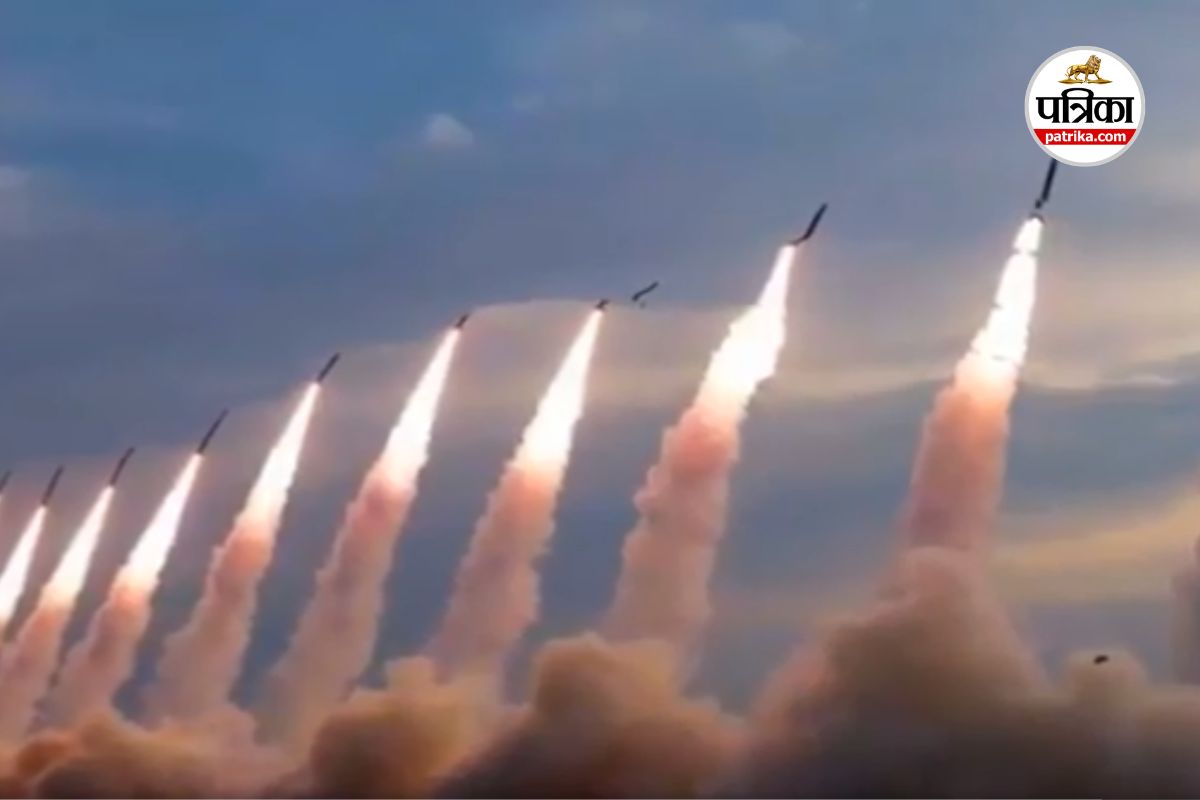
Trump did not let that slide. He jumped onto Truth Social with a furious, characteristic response, warning that a thousand American missiles are locked and loaded, aimed directly at Iran. He promised that thousands more would follow if Tehran makes a move. He even leaned into bizarre rhetorical territory, claiming the U.S. would completely decimate Iranian civilization, punctuating his threats with the phrase "PRAISE BE TO ALLAH!" in a move that drew immediate fire from advocacy groups like the Council on American-Islamic Relations.
Tehran fired back instantly. The newly elevated Supreme Leader, Mojtaba Khamenei, broke his silence via state television to announce that avenging his father’s death remains the absolute will of the Iranian nation. He has still not been seen in public since the war started, but his words made it clear that the new regime has no intention of backing down to American pressure.
The Battle for the Strait
Behind all the aggressive rhetoric lies a brutal, practical dispute over infrastructure. The Strait of Hormuz is the choke point for a fifth of the world's traded oil and natural gas. Before the war, it was treated as an international waterway. Now, Iran treats it like a private toll road.
Tehran is demanding total control over the strait, including the right to charge transit fees to any commercial vessel passing through. Earlier in the week, Iranian forces attacked three commercial ships in the corridor, triggering a rapid series of retaliatory U.S. airstrikes. Washington is demanding a public, ironclad guarantee from Iran that the strait is wide open and safe. Iran’s UN diplomats answered by stating that any opening or demining operations rest exclusively with Tehran.
Strait of Hormuz Status:
- Pre-War: International waterway with free transit.
- Iran's Position: Sole Iranian control, mandatory transit fees.
- US Position: Open international access, zero fees.
- Current Reality: Military crossfire, high shipping risks.
The economic fallout is real. While oil prices dropped from their wartime highs of $120 a barrel during the temporary truce, this renewed fighting is threatening to send energy markets right back into a tailspin. The White House is highly aware of this. With peak summer travel here and domestic voters furious about gas prices, a prolonged naval conflict is the last thing Washington politicians want to deal with. Yet, they refuse to yield on the principle of free navigation.
Why the Diplomacy is Cracking
You might wonder why foreign ministers are still flying around the region if the deal is dead. They are trying to save the pieces. Iranian Foreign Minister Abbas Araghchi bolted to Oman, while Qatari officials have been working channels in Tehran. Turkish officials are also insisting that a backdoor solution can be hammered out.
But the structural gaps are simply too wide. Look at what happened to the financial terms. The interim deal was supposed to grant Tehran temporary sanctions waivers to sell its crude oil on the open market in U.S. dollars. But the moment those ships were attacked in the strait, Washington canceled the waivers. Araghchi openly complained on social media that the U.S. killed the deal by pulling the economic rug out from under them, stating there can only be mutual compliance.
The U.S. line is equally unyielding. White House officials claim that a rogue faction of Iranian hardliners deliberately sabotaged the ceasefire by ordering the ship attacks. Tehran denies this, claiming their government is totally unified. It does not really matter who pulled the trigger. The trust is gone. Trump has given his negotiators an incredibly short lease, making it clear that if a comprehensive agreement is not reached soon, the U.S. military will return to full-scale operations.
What Happens Next
Do not expect a sudden outbreak of peace. The dynamic has shifted from a diplomatic push to an active containment strategy. If you are tracking this conflict, watch these specific indicators over the next few days.
- Shipping routes: The U.S. military is currently advising all commercial mariners to avoid northern routes and stick strictly to the southern side of the strait, through Oman’s territorial waters. Watch for whether Iran tries to project force into those southern lanes.
- The nuclear stockpile: The original framework required Iran to dilute its highly enriched uranium. With the ceasefire over, expect Western intelligence to watch whether Iran ramps enrichment back up to maximum speed as leverage.
- Regional proxy fire: Watch for renewed missile exchanges targeting Arab nations in the Gulf that are aligned with Washington. Iran has used these asymmetric strikes before to punish the U.S. indirectly.
The baseline reality has reasserted itself. You cannot solve a decades-old geopolitical rivalry with a rushed interim memorandum signed over dinner. Both sides have fundamentally incompatible goals for the Middle East, and until one side blinks, the region remains a single miscalculation away from total escalation.