Don't believe the optimistic headlines coming out of Islamabad or Geneva. If you think the current ceasefire means Washington and Tehran are on the verge of some historic handshake, you're misreading the situation entirely.
Let's look at the reality on the ground right now in May 2026. Yes, the two-week truce that began in early April has somehow stretched out, mediated by Pakistan and Qatar. Yes, negotiators from the Trump administration and Iran's foreign ministry are still exchanging drafts. Just days ago, Iranian Foreign Ministry spokesperson Esmaeil Baqaei claimed they had reached an understanding on a large portion of the issues under discussion.
But it's a mirage.
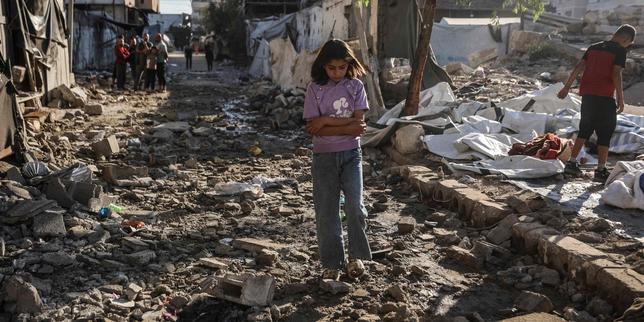
While the politicians talk, the actual military reality is a brutal stalemate. The 2026 Iran war—which exploded on February 28 when US and Israeli forces launched nearly 900 airstrikes under the name Operation Epic Fury—never really stopped. It just mutated. Just this week, US bombs pounded Iranian missile launchers and minelaying teams attempting to lock down the Strait of Hormuz. Iran called the strikes an act of bad faith and a definitive violation of the ceasefire. Yet, they stayed at the negotiating table.
Why? Because both sides are playing a cynical game of brinkmanship where peace isn’t the goal. Survival and leverage are. We aren't sliding back to war. We never left it.
The Nuclear Trap That Guarantees Failure
The fundamental reason a lasting peace deal is impossible right now comes down to a single word: uranium.
When the US and Israel launched their surprise campaign in February, taking out Supreme Leader Ali Khamenei and shattering the regime's command structure, the stated objective was to permanently neutralize Iran’s nuclear ambitions. The Trump administration has taken a maximalist, zero-enrichment stance. Vice President JD Vance spelled it out clearly, stating the core goal is an affirmative commitment that Iran will never seek the tools to build a bomb.
Donald Trump has even claimed on social media that Iran has secretly agreed to stop all uranium enrichment and hand over past nuclear material.
It’s completely disconnected from reality.
The head of Iran's Atomic Energy Organization has explicitly stated that Iran will never accept limits on its domestic nuclear enrichment. For Tehran, giving up enrichment isn't a negotiating chip—it's regime suicide. The new political configuration in Tehran, trying to project strength after the assassination of Khamenei, cannot surrender the one asset that gives them international leverage.
When the two sides met in Islamabad, Trump openly admitted that while most points were agreed to, the only point that really mattered—the nuclear issue—was a total failure. He called Iran unyielding. They are unyielding because they have to be. You can't negotiate a compromise when one side demands zero and the other considers anything less than total domestic control a betrayal of their entire revolution.
The Dual Blockade in the Strait of Hormuz
If you want to know where the next massive escalation will happen, ignore the diplomatic hotels and look at the water. The global economy is already reeling from the largest supply disruption in the history of the oil market.
Right now, we are witnessing a suffocating dual blockade:
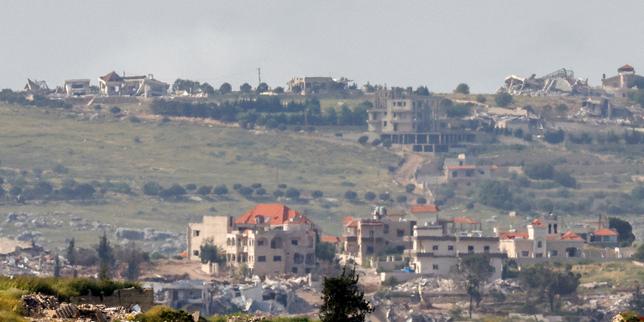
- The Iranian Blockade: Iran has effectively closed off access to the Persian Gulf, using asymmetric naval warfare, fast-attack boats, and anti-ship missiles to disrupt transit through the Strait of Hormuz. They refuse to fully reopen it until Israeli operations in Lebanon halt completely.
- The American Blockade: The US responded by enforcing a strict naval blockade of Iran itself, shutting down its ability to export its remaining oil resources or import critical goods.
This isn't a stable peace. It's a high-stakes game of chicken using global energy supplies as a steering wheel. The Pentagon already requested an extra $200 billion to cover the staggering costs of advanced weapons used during Operation Epic Fury. US stockpiles are depleted.
Meanwhile, Donald Trump keeps insisting that Iran is negotiating on fumes and that the US will knock out every power plant and bridge if they don't sign the deal. That isn't diplomatic language. That's the rhetoric of an administration looking for a reason to finish what it started in February.
What Most People Get Wrong About Iranian Strategy
Western analysts frequently make the mistake of thinking that because Iran took massive damage during the opening weeks of the war—losing over 150 naval vessels and thousands of military personnel—they are ready to surrender.
That misses the entire point of how the Iranian military operates.
Iran's defense apparatus was built from the ground up to survive exactly this type of overwhelming conventional air campaign. They don't need to win an operational victory over a US carrier strike group to win the war. In their doctrine, if the Islamic Republic survives, maintains a core ballistic missile capability hidden deep in underground silos, and prevents total regime change, they have won.
Even with the Supreme Leader gone, the remaining military leadership is playing the long game. By continuing the talks in Islamabad despite ongoing US airstrikes, they buy time. They let global oil prices rise, putting economic pressure on Washington's Western allies. They look like the rational actors on the global stage while weathering the storm.
The Actionable Reality
For businesses, commodity traders, and regional observers, waiting for a definitive peace treaty is a losing strategy. The "indefinite ceasefire" is nothing more than a tactical pause for both sides to re-arm and recalibrate.
Expect oil market volatility to remain severe throughout the rest of 2026. Supply chains bypassing the Middle East entirely aren't just a temporary workaround anymore; they need to become your permanent operational baseline.
The US and Iran are not close to peace. The current diplomatic track is an exhausting exercise in optics. With the US demanding total nuclear capitulation and Iran viewing its missile program as its only survival insurance, the underlying triggers for conflict remain completely untouched. Prepare for the next phase of escalation, because the pause button won't stay pressed for long.