The ground beneath Venezuela didn't just shake this week. It shattered. Two back-to-back earthquakes, measuring 7.1 and 7.5 magnitude, ripped through the country's coastal regions and left parts of Caracas in ruins. The US Geological Survey initially dropped a terrifying estimate, warning that the death toll could range anywhere from 10,000 to 100,000 people as emergency workers dig through flattened neighborhoods.
Amidst this chaos, US Secretary of State Marco Rubio made a bold promise. Speaking from Manama, Bahrain, Rubio declared that the American relief operation would be big, fast, and effective. He confirmed direct communication with Venezuela's acting president, Delcy Rodríguez, signaling a rare and urgent moment of diplomatic alignment born out of sheer tragedy.
But saying you'll help is the easy part. Delivering on that promise when a nation's infrastructure has completely collapsed is another story entirely. This isn't just a standard humanitarian mission. It's a race against the clock complicated by cracked runways, broken communication networks, and the grim reality of thousands of people trapped beneath heavy concrete rubble.
Inside the Destruction and the Critical 72 Hour Window
The timeline of the disaster shows why immediate action matters. The twin quakes hit with brutal speed. The first 7.1 tremor struck near the coastal town of Morón, west of Caracas. Barely 40 seconds later, a second, more violent 7.5 magnitude earthquake struck almost the exact same spot.
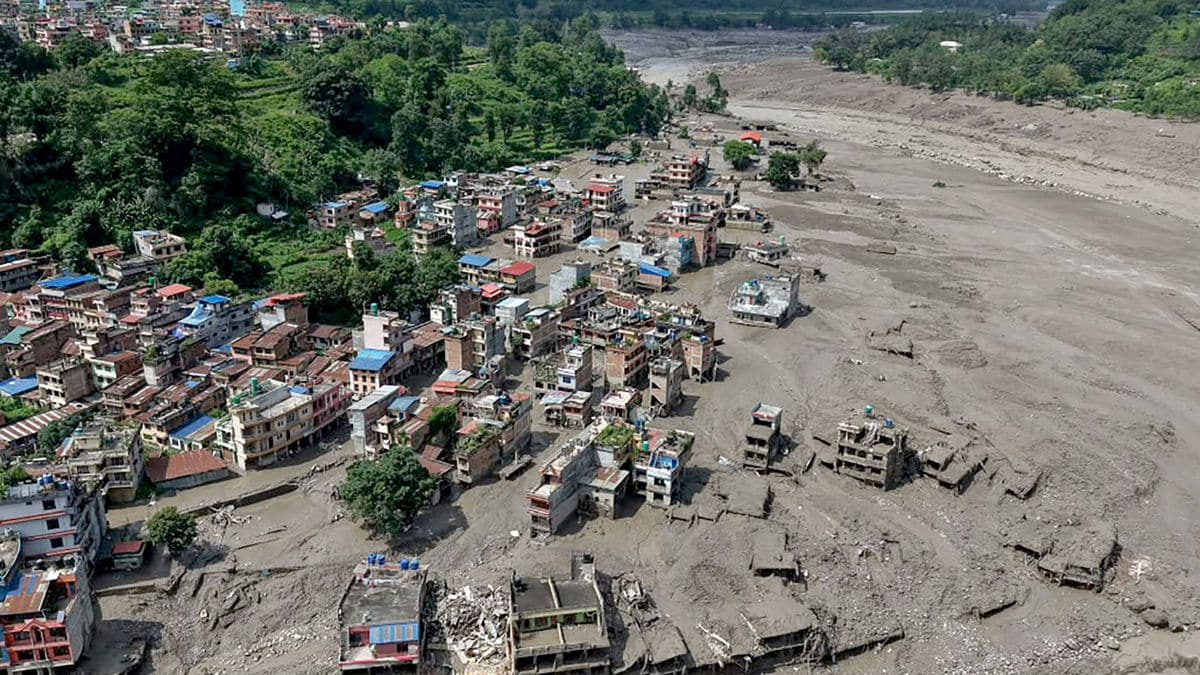
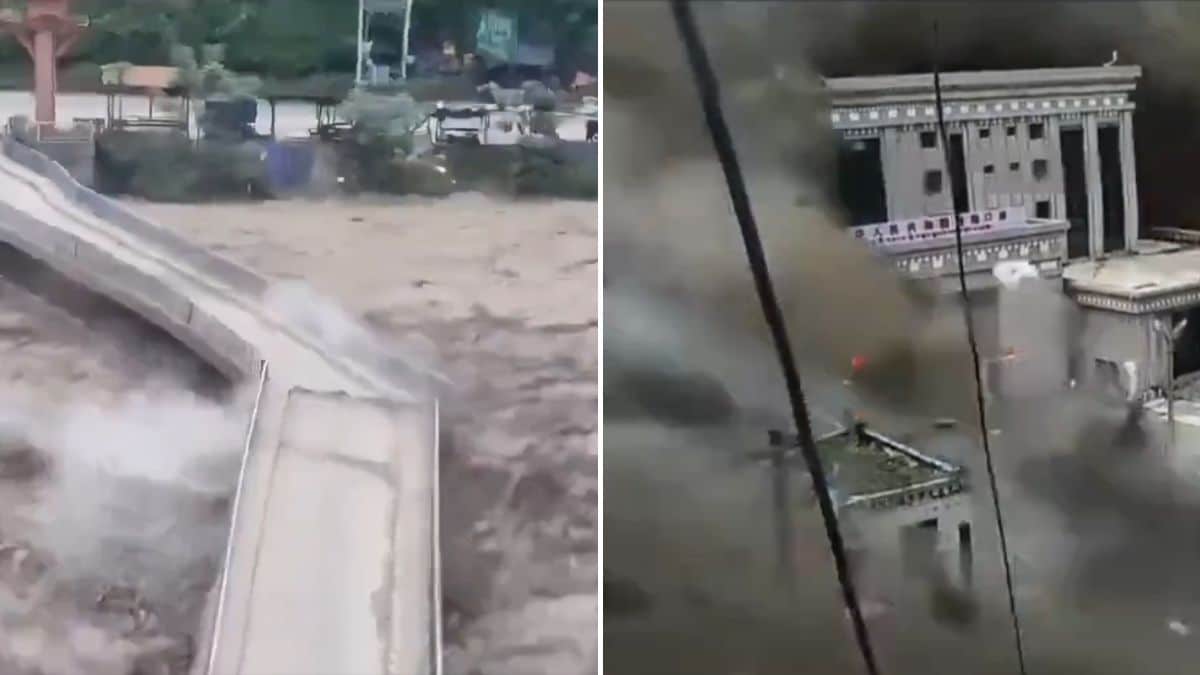
Reports coming out of the coastal state of La Guaira are grim. Dozens of buildings have collapsed completely, turning entire streets into disaster zones. Acting President Delcy Rodríguez publically called the situation a real tragedy. More than 30 aftershocks have rattled the region since the main events, making rescue efforts incredibly dangerous for teams trying to crawl into the ruins.
Disaster experts know the first 72 hours determine who lives and who dies. After three days, the survival rate for people trapped without water under collapsed buildings drops off a cliff. That's why the initial wave of American support focuses entirely on finding survivors. The US is rushing specialized search and rescue teams from Fairfax County, Virginia, and Los Angeles directly to the disaster zones. These squads bring listening devices, search cameras, and trained K9 units that can pinpoint signs of life deep within the rubble.
Navigating a Broken Airport and Zero Communications
The biggest hurdle for Rubio's big, fast, and effective strategy isn't a lack of supplies or goodwill. It's a total breakdown of logistics.
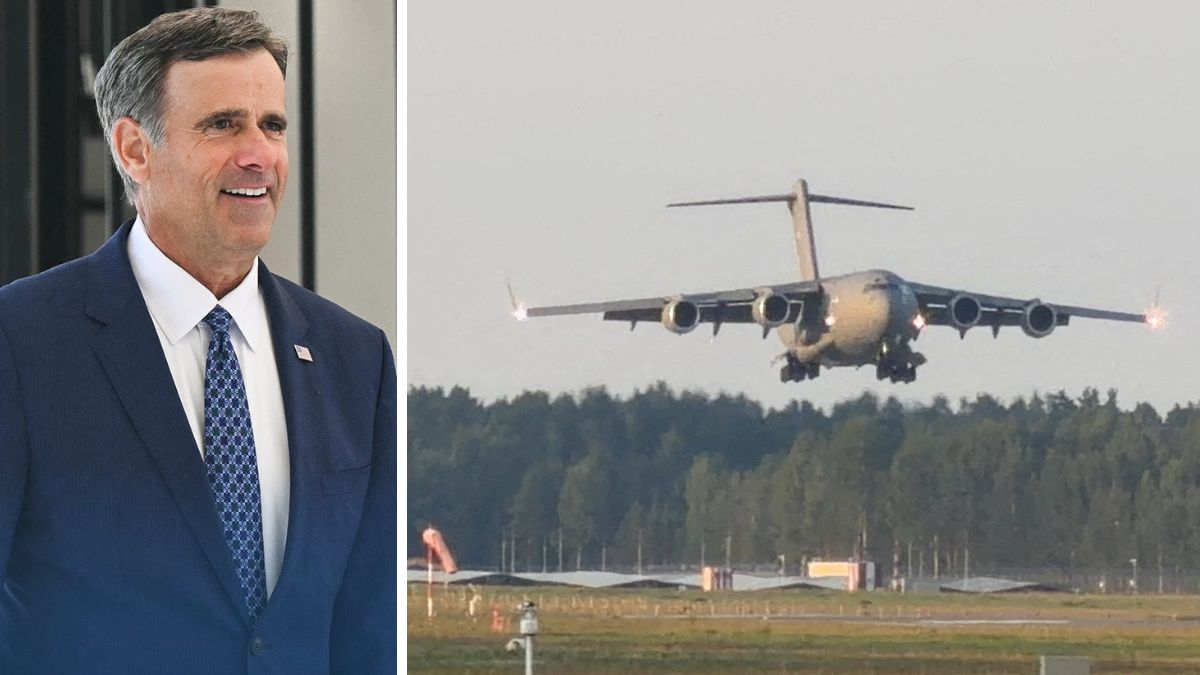
Caracas airport is currently broken. The runway is cracked, and the main airport infrastructure is badly damaged, meaning standard commercial cargo planes can't just land and unload pallets of food and medicine. To bypass this bottleneck, the US is relying on heavy military logistics. Rubio noted that he has coordinated with War Secretary Pete Hegseth to deploy specialized assets capable of landing in austere, damaged environments.
The plan relies heavily on what the military can do right now.
- Overhead Imagery: The US is providing satellite and aerial surveillance to help Venezuelan authorities see what happened in isolated coastal areas where roads are blocked.
- Tactical Air Support: Military transport aircraft will have to manage landings on compromised airstrips to drop off personnel and medical gear.
- Communications Recovery: The quakes knocked out internet and phone lines across several states. The US is actively working on solutions to restore basic telecom services so rescue teams can talk to each other and coordinate their movements.
If you can't talk and you can't land, you can't save lives. The US military's logistical muscle is the only thing capable of breaking through that wall right now.
A Surprising Shift in Geopolitical Alignment
You can't talk about US-Venezuela relations without acknowledging the political elephant in the room. Years of sanctions, tense standoffs, and diplomatic icy silences have defined how Washington and Caracas interact. Yet, the sheer scale of this seismic disaster forced a sudden pivot.
Delcy Rodríguez went on social media to publicly thank President Donald Trump and the US government for their permanent contact and immediate solidarity. Rubio, a long-time hawk on Venezuelan politics, shifted his focus entirely to the humanitarian emergency. He made it clear that the immediate goal is saving people, noting that many affected citizens have relatives living in the United States.
This isn't a unilateral American operation either. A wider international coalition is forming rapidly around the crisis. Other nations are stepping up alongside the US.
- El Salvador and Chile: Both countries have offered immediate emergency assistance and personnel.
- Qatar: Sending rescue brigades to assist local authorities.
- The United Nations: Coordinating directly with Rodríguez to send specialized international teams.
- International Monetary Fund: Engaging in discussions to establish a 200 million dollar emergency fund for long-term reconstruction.
Even traditional allies of the Venezuelan government, like China, and regional neighbors like Brazil, have offered help. The crisis has temporarily rewritten the rules of engagement in the region.
The Long Road to Recovery After the Debris Clears
Once the acute 72-hour search window closes, the nature of the crisis changes entirely. Rubio pointed out that the second phase of the operation will focus on the massive housing and humanitarian crisis that follows.
When tens of thousands of homes are destroyed, you face an immediate second wave of danger: disease, lack of clean drinking water, and exposure to the elements. The Venezuelan government has already suspended classes and closed non-essential businesses nationwide, converting hotels and public spaces into makeshift shelters.
Managing the influx of aid will be a nightmare of its own. Rubio mentioned that the State Department is bracing for a massive wave of private donations, particularly from Venezuelan-American communities in places like South Florida. Leading charities are mobilizing, but getting those private donations into the hands of the people who actually need them requires a coordinated logistical pipeline, not just good intentions.
What Needs to Happen Right Now
The next 48 hours will show whether the US response lives up to Rubio's promise. To make the relief effort work, specific logistical steps must happen immediately on the ground.
First, the US military must secure a stable airbridge into Venezuela despite the damaged runways at Caracas airport. Without a reliable way to fly in heavy equipment and medical staff, the search teams from Virginia and Los Angeles won't have the tools they need to sustain a long-term operation.
Second, restoring basic telecommunications in the hardest-hit zones like La Guaira must take priority. Local rescue workers cannot coordinate effectively with international teams if they are operating in a total information blackout.
Finally, the distribution of incoming aid must be handled transparently through the emerging international coalition to ensure food, clean water, and medical resources reach the victims trapped in isolated coastal towns rather than getting stuck in bureaucratic warehouses. The clock is ticking, and thousands of lives depend on how fast these gears turn.