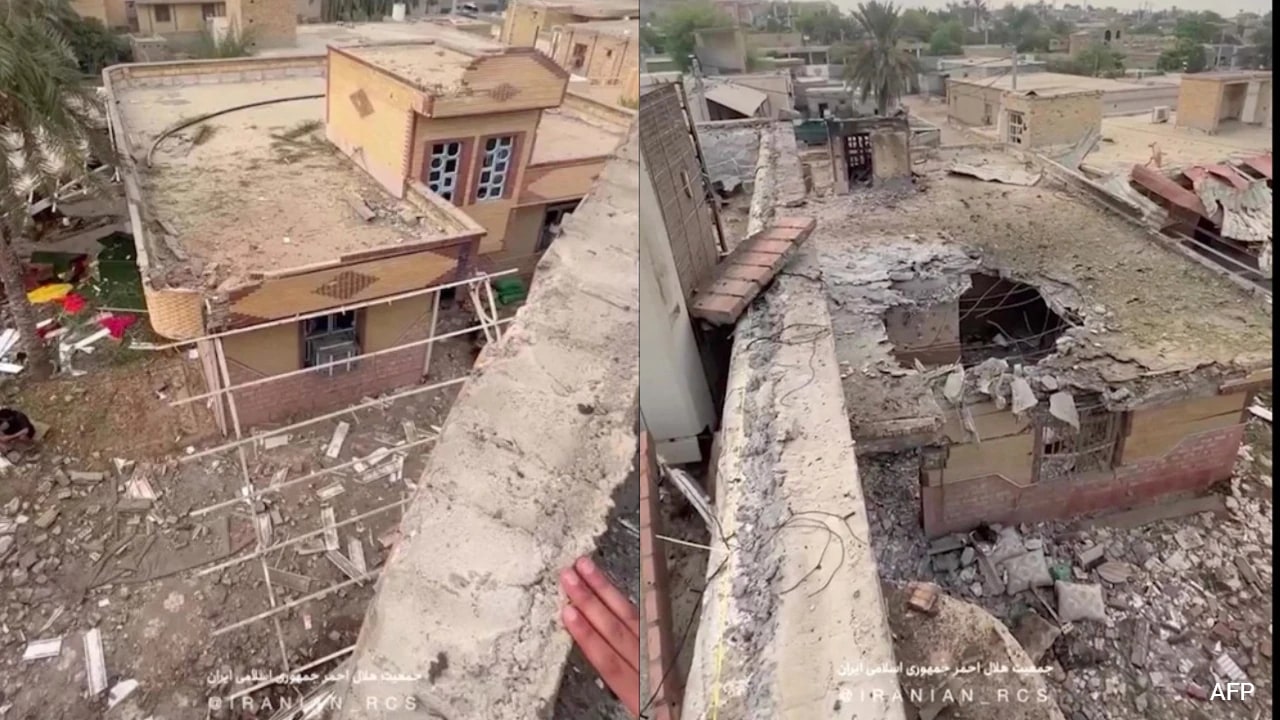
A celebration turned into a catastrophe when a missile tore through a residential home in southern Iran. Dozens had gathered in the coastal town of Kuhestak for a fisherman's daughter's wedding. Instead of a reception, guests faced flying concrete, shrapnel, and fire. Iranian state media reported that four people—including two women and two children aged 4 and 16—lost their lives. More than 60 others sustained injuries, filling hospital wards in nearby Minab with bloodied civilians.
When military operations cross into civilian spaces, the fog of war stops being an excuse and starts looking like negligence. This incident wasn't an abstract theater missile test. It hit a family home in a tight-knit Baluch fishing community near the Strait of Hormuz.
What Actually Happened in Kuhestak
The strike occurred during a heavy wave of American bombardment targeting southern Iran. The US military stated that its operations focused on air defenses, radar installations, and maritime assets. Yet the reality on the ground told a different story.
At least one missile smashed directly into the home of Ali Mallahi, the fisherman hosting the wedding. Mallahi pointed out the massive gaping hole where a ceiling used to be, noting that a neighboring house sharing the same courtyard took a direct hit as well. Security footage captured by local outlets showed terrifying fireballs lighting up the night sky over the Hormozgan province.
Human rights groups and weapon experts quickly began piecing together the wreckage. Analysts examining images of missile fragments identified components matching a US-made SLAM-ER cruise missile—an air-launched weapon manufactured by Boeing. While the Pentagon and US Central Command stated they were looking into the reports, officials stopped short of launching a formal investigation right away.
The Human Toll and Conflicting Reports
Casualty figures in fast-moving conflicts are always messy, but the human cost here is undisputed. Initial reports from regional officials varied wildly. Ahmad Nafisi, the province's deputy governor, briefly cited a higher death toll before state media and the Red Crescent standardized the count at four dead and over 60 wounded.
In the hospitals, the aftermath was harrowing. Video footage shared by the Iranian Red Crescent showed women and young girls wrapped in bandages, staring blankly in shock. Survivors recounted blocks of concrete collapsing onto guests' heads the moment they arrived at the venue.
Local documentation networks also noted secondary impacts. A nearby communications tower and port pier roughly 100 meters away from Mallahi's home were struck simultaneously. Rights monitors clarified that a 16-year-old victim was killed by shrapnel near that communications hub while riding a motorcycle, highlighting the chaotic, multi-point nature of the barrage.
The Broader Escalation in the Strait of Hormuz
This tragedy did not happen in a vacuum. It arrived amid a violent spike in hostilities that shattered a month-long lull between Washington and Tehran. The renewed campaign kicked off after Washington accused Iran of attempting to lay mines in the Strait of Hormuz and targeting commercial shipping lanes.
Iran answered with its own barrage of drones and ballistic missiles aimed at regional positions, triggering interceptions over Jordan and the United Arab Emirates. Oil markets reacted instantly, driving prices upward as traders priced in the severe risk to global energy transit through the strait.
Civilians always bear the brunt of geopolitical posturing. Accountability requires more than a standard military promise to "look into the reports." When a wedding party becomes a casualty statistic, transparency shouldn't be optional. Families in Kuhestak deserve clear answers about how precision-guided munitions missed their intended military parameters by a devastating margin.