The fragile calm in the Persian Gulf just shattered. United States forces launched direct airstrikes against two Iranian missile launchers stationed on Larak Island, a tiny strategic outpost sitting right inside the Strait of Hormuz. This is the first time American military power has struck inside Iranian territory since late July.
Washington claims the Islamic Revolutionary Guard Corps was actively preparing to fire rockets laden with sea mines into the world's most critical oil transit corridor. Tehran immediately fired back with furious rhetoric, promising harsh punishment and response, followed swiftly by ballistic missile retaliation targeting US positions in Jordan.
Understanding Larak Island
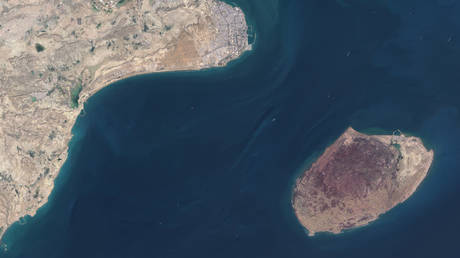
Why does this specific patch of land matter so much? Larak Island covers roughly 49 square kilometres just south of Hormuz Island and east of Qeshm Island. Its position overlooks the narrow shipping lanes where a massive share of global energy supplies moves daily.
When the IRGC places rocket systems or naval mines here, they hold international commerce hostage. US Central Command officials stated that surveillance caught Iranian personnel red-handed, prepping weapons designed to choke off traffic completely. President Donald Trump's administration had previously warned that any new attempts to mine the strait would be met with immediate destruction. Washington made good on that threat.
The Immediate Aftermath and Retaliation
Tehran didn't absorb the blow quietly. Iranian state media and the IRGC confirmed that the strike killed and wounded several personnel and local civilians. True to form, the Iranian military retaliated by launching ballistic missiles toward American military installations in Jordan. Regional air defense networks intercepted most incoming projectiles, preventing massive casualties, but the geopolitical shockwaves are already spreading.
This flare-up breaks a month-long lull in direct military engagements. Just weeks prior, Washington had signaled a pivot toward heavy financial penalties and secondary sanctions rather than active bombing campaigns. That pivot is now on life support.
What This Means for Global Shipping
Commercial shipping through the Strait of Hormuz remains crippled. Even though the US Navy recently completed operations to clear earlier minefields, cargo operators are terrified. Daily vessel transits are a tiny fraction of pre-war averages. Insurance rates for tankers operating near Bandar Abbas, Chabahar, and the broader southern Iranian coast have skyrocketed.
Energy markets hate uncertainty. Every time Iranian forces start moving launchers onto islands like Larak, global oil prices twitch. Tehran knows this gives them asymmetric leverage against a vastly superior military adversary.
Expect the White House to double down on maritime patrols and quick-response air strikes. If the IRGC keeps trying to seed the shipping lanes with explosives, the US military will keep hunting those launchers down, regardless of the risk of wider escalation.