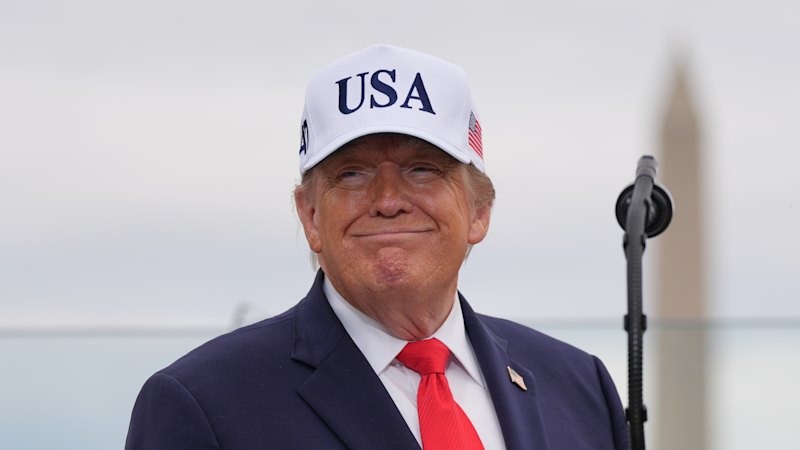
Voters went to the polls during the 2026 US midterm elections expecting a standard referendum on domestic pocketbook issues, only to watch foreign military action hijack the final hours of the campaign. When the Pentagon confirmed US strikes on Iran right as President Donald Trump was publicly casting doubt on further attacks during his closing pitch to voters, the collision of foreign policy and domestic politics changed the stakes overnight.
Republicans entered the cycle defending razor-thin margins in both the House of Representatives and the Senate. Democrats, sensing vulnerability in swing districts across the Midwest and Sun Belt, had spent months hammering on healthcare costs, housing affordability, and tariff-driven price hikes. Then the bombs started falling in the Middle East, forcing every candidate on the ballot to answer a question nobody had prepped for in October. In related news, read about: Why a Polish Diplomat’s Diwali Tribute Strikes a Nerve in a Fractured World.
The Collision of Election Day and Military Action
Timing is everything in politics. Rarely does a major military escalation overlap so directly with the closing arguments of a national election.
In the final days before polls opened, Trump told crowds at rallies in battleground states that he wanted to avoid dragging the country into another prolonged Middle Eastern conflict. That message played well with the isolationist wing of his base and exhausted independent voters who had spent two decades watching overseas interventions drain trillions of dollars. Reuters has also covered this important issue in great detail.
Hours later, US defense officials confirmed targeted strikes against Iranian military infrastructure. The disconnect between the rhetoric on the stump and the reality in the Persian Gulf created immediate whiplash.
Critics called it a breakdown in messaging. Supporters argued it was classic strategic ambiguity designed to keep Tehran off balance while reassuring anxious Americans at home. Either way, it dominated cable news chyrons and social media feeds while millions of people were standing in line to cast their ballots.
Why the 2026 Midterms Were Already on a Knife-Edge
Even without an international crisis, the math for the GOP in 2026 was brutal. Historically, the party holding the White House loses seats in the midterms, a pattern that has held true in almost every cycle since the Civil War.
Heading into November, Republicans held one of the narrowest House majorities in modern American history. Losing just a handful of seats in suburban districts around Philadelphia, Detroit, and Phoenix would hand the speaker's gavel straight back to the Democrats.
The Senate map offered slightly better terrain for the GOP, yet several key seats remained genuine toss-ups. Democrats poured record amounts of cash into defending incumbents while targeting vulnerable Republicans in states where suburban voters had grown weary of constant political chaos.
When you combine an already fragile majority with an unexpected military strike, the margin for error drops to zero. Swing voters hate surprises, especially ones that carry the risk of higher gas prices and wider regional war.
The Economic Ripple Effect at the Pump
Foreign policy rarely decides midterm elections on its own. Voters care about their own bank accounts first.
What made the Iran strikes so dangerous for Republican incumbents wasn't the military operation itself, but what it threatened to do to global oil markets. Any disruption in the Strait of Hormuz sends crude prices climbing within hours.
For months, GOP candidates had campaigned on bringing energy costs down. Suddenly, voters were looking at headlines about Iranian retaliation and wondering if filling up their tanks was about to get noticeably more expensive by Thanksgiving. Democrats wasted no time connecting the dots in closing digital ads across competitive districts.
How Voters Reacted to Mixed Signals on Iran
If you've ever watched focus groups of undecided voters during an election week, you know they don't parse geopolitical nuance the way think tank analysts in Washington do. They look for steadiness and consistency.
Hearing the president question the need for further strikes on Monday, only to see the Pentagon confirm active military strikes right afterward, left plenty of middle-of-the-road voters confused. Some saw a commander-in-chief keeping his options open. Others saw an administration that wasn't on the same page.
Inside the Republican coalition, the split was just as visible. Traditional defense hawks on Capitol Hill praised the strikes as a long-overdue show of force against Iranian proxies and nuclear ambitions. Meanwhile, younger populist conservatives online openly vented their frustration, arguing they didn't vote for another Middle Eastern entanglement.
Democrats seized on that fracture. Leadership in both chambers demanded immediate briefings from the White House under the War Powers Resolution, framing the strikes as unilateral escalation without congressional approval. It was a smart political pivot that allowed Democratic candidates to appeal to anti-war progressives while looking like the adults in the room to moderate independents.
What Most Coverage Missed About the Senate and House Battlegrounds
Wall-to-wall coverage of live election results tends to flatten the country into a single national narrative. That's a mistake. The impact of the Iran news played out very differently depending on the zip code.
In districts with heavy military populations, like parts of Virginia, North Carolina, and Texas, national security isn't an abstract talking point. Families there have skin in the game. When deployments become a real possibility overnight, turnout patterns shift in unpredictable ways.
In the Rust Belt, the reaction was quieter but just as consequential. Independent voters in Pennsylvania, Michigan, and Wisconsin were already exhausted by nonstop political drama. For many of them, the news out of Iran simply reinforced a desire for divided government as a check on executive power.
Split-ticket voting has declined over the past twenty years, yet high-stakes moments still push a crucial sliver of the electorate to hedge their bets. Voting for a Democratic House candidate to keep a Republican White House in check is a classic American impulse.
The Structural Vulnerability of Thin Congressional Majorities
Whether Democrats ultimately flip one chamber, both chambers, or fall just short, the 2026 cycle exposed a deeper problem in Washington. Governing with a three- or four-seat majority is nearly impossible when global events refuse to cooperate.
Every single member becomes a potential veto point. A handful of hardliners can stall defense funding, block cabinet appointments, or force floor votes that put swing-district colleagues in impossible spots.
Look at how quickly the Iran strikes complicated the legislative calendar for the lame-duck session and the incoming Congress in January 2027. Questions over war powers, supplemental defense spending, and sanctions enforcement will immediately crowd out domestic priorities like tax extensions and border legislation.
How to Read Election Night Data Without Getting Fooled
Watching live midterm returns is a terrible way to understand what's actually happening unless you know where to look. Early returns are notoriously deceptive because different states count mail-in ballots and in-person votes in completely different orders.
If you want to cut through the noise when tracking close congressional races, focus on three concrete indicators rather than raw vote totals early in the evening:
- Suburban county margins compared to 2022 and 2024. Look at places like Waukesha County in Wisconsin, Bucks County in Pennsylvania, or Maricopa County in Arizona. If the GOP margin shrinks by even three or four points there, Democratic challengers are likely having a strong night.
- Turnout drop-off in rural strongholds. Republican candidates rely on massive margins in small towns to offset urban losses. When rural turnout dips even slightly in a midterm year, statewide and district-level math falls apart fast.
- Late-deciding independent breaks. Exit polls and precinct data from swing districts show how voters who made up their minds in the final 72 hours leaned. In 2026, those are the exact voters who absorbed the Iran strike headlines right before walking into the booth.
Where Washington Goes From Here
The dust from the 2026 midterms doesn't settle when the last precinct reports. If Democrats take control of the House or Senate, expect immediate congressional hearings into the intelligence behind the Iran strikes and the White House's decision-making timeline. Subpoena power changes hands the moment a new majority is sworn in, and foreign policy oversight will sit right at the top of the agenda.
If Republicans manage to hold on despite the headwinds, they still face an internal reckoning between their hawkish establishment and their non-interventionist base. Paper-thin majorities don't leave room for ideological civil wars, especially when Tehran's next move could test American deterrence all over again.
Track the certified district-by-district shifts in the key battleground suburbs over the coming days and watch how energy markets react to any follow-on diplomatic or military moves in the Gulf—those two signals will tell you far more about the real balance of power heading into 2027 than any victory speech on election night.