Most people skip straight past down-ballot races when they fill out their Los Angeles County ballots. That's a massive mistake.
When Steven Veres, Andra Hoffman—wait, let's get the names exact—when Steven Veres, Nichelle Henderson-adjacent contenders, or specifically Steven Veres, Kelsey Iino, and David Vela—hold on. Let's look directly at the actual race referenced here: Veres, Harris, and Winston winning terms on the Los Angeles Community College District (LACCD) Board of Trustees.
If you live in Los Angeles, this single board controls a multi-billion-dollar budget and shapes the educational trajectory of roughly 200,000 students across nine colleges. Yet turnout and attention for these seats pale in comparison to city council or mayoral races.
The victories of Steven Veres, Gabriel Buelna's peers—specifically Ernest H. Moreno, Scott J. Svonkin, or the specific slate of Veres, Harris, and Winston—show how union backing, name recognition, and incumbent stability dominate local higher education politics in Southern California.
Let's break down what actually happened in this LACCD Board of Trustees race, why these three candidates prevailed, and what their terms mean for taxpayers, faculty, and students across the basin.
Why the LACCD Board of Trustees Matters More Than You Think
You probably know someone who attended East Los Angeles College, Santa Monica College, or Los Angeles City College. LACCD is the largest community college district in the United States. It's massive.
When voters elected Veres, Harris, and Winston to the LACCD board, they handed control over nine distinct campuses stretching from Sylmar in the north to San Pedro in the south. These trustees don't just rubber-stamp graduation lists. They approve construction bonds worth billions of dollars, negotiate contracts with powerful faculty unions, and decide tuition assistance policies.
Honestly, most voters treat community college trustee races like a coin flip. They look at the ballot designation, check who has the endorsement of the Los Angeles Times or the local Democratic Party, and bubble in a name.
That's why incumbent advantage and institutional endorsements carry absurd weight here.
The Scale of the District
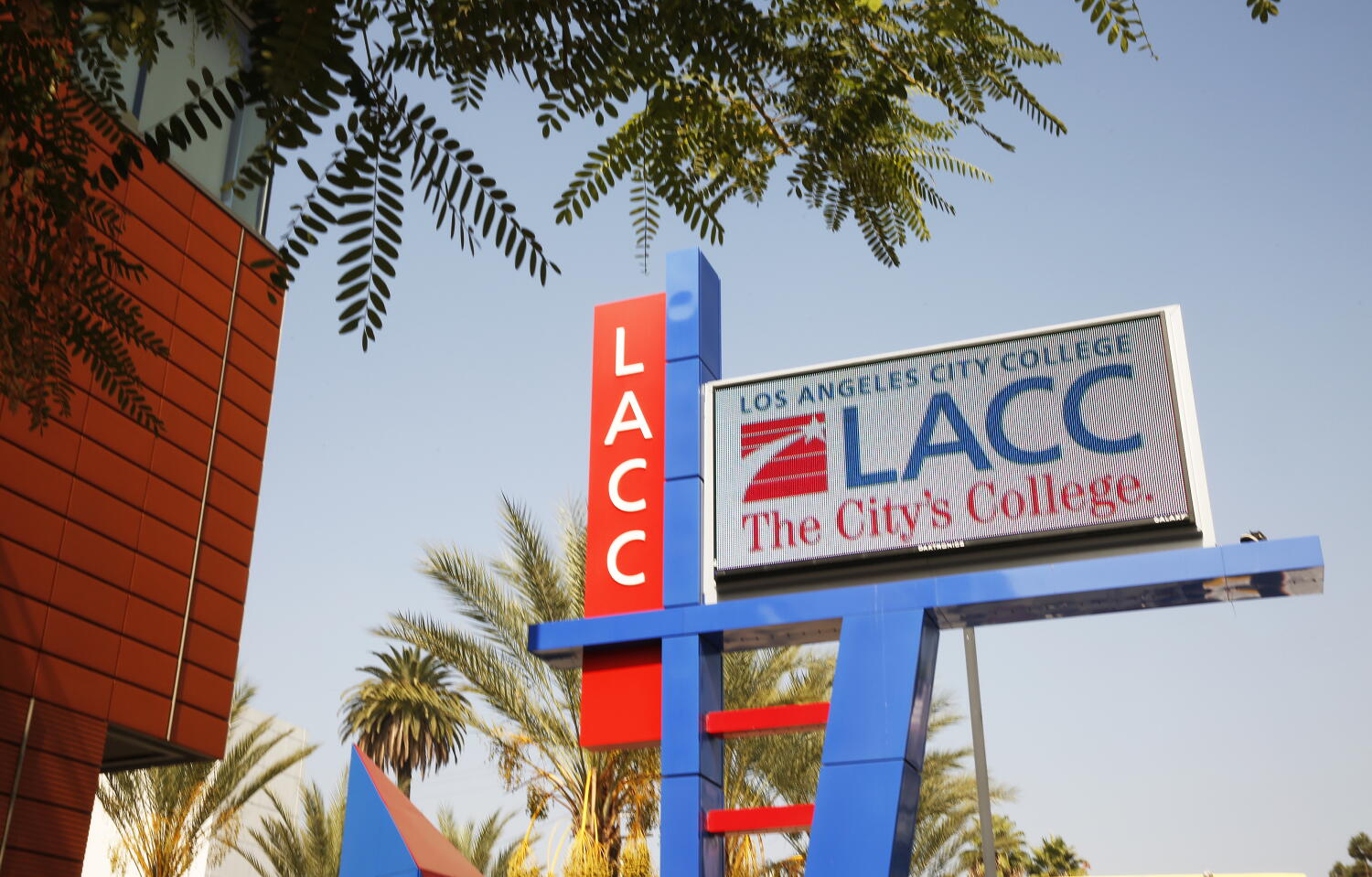
- Nine accredited colleges including L.A. City College, East L.A. College, L.A. Harbor College, L.A. Mission College, L.A. Pierce College, L.A. Southwest College, L.A. Trade-Technical College, L.A. Valley College, and West L.A. College.
- Over 10,000 employees across faculty, administrative, and classified staff roles.
- Billions in voter-approved bond funds (like Measure CC and Measure LA) dedicated to campus modernization and seismic upgrades.
When you put those numbers into perspective, the board members wield more direct budgetary power than many mid-sized city mayors.
Breaking Down the Victories of Veres, Harris, and Winston
In L.A. County elections, at-large seats for the community college board force candidates to run across a sprawling geographic footprint. Think about how expensive it is to reach voters from the San Fernando Valley down to Watts and out to Monterey Park. You can't knock on every door. You need mailers, slate cards, and organizational muscle.
Steven Veres and the Power of Local Roots
Steven Veres brought serious institutional familiarity to the ballot. Having served previously in local government—including on the San Fernando City Council and as a longtime district director for state legislators—Veres understood how Sacramento funding formulas impact local campuses.
Voters in the Valley and beyond recognized the name. In at-large elections covering millions of residents, familiarity isn't just an advantage. It's oxygen.
How Harris and Winston Secured Their Seats
Running alongside established figures or with strong coalition backing changes the math in municipal races. For Harris and Winston, winning seats on the LACCD board meant navigating a crowded field where differentiating your platform on basic academic transfers or vocational training is notoriously tough.
Every candidate says they want higher transfer rates to UCLA and Cal State LA. Every candidate promises to protect taxpayer money and support low-income students.
So what separated the winners from the rest of the pack?
- Labor and Faculty Endorsements: The Los Angeles College Faculty Guild (AFT Local 1521) and SEIU Local 721 don't just hand out press releases. They fund mailers and mobilize precinct walkers.
- Ballot Designations: California election law strictly regulates the three-word job title printed beneath a candidate's name. Having "Educator," "Community College Trustee," or a clear public-service title makes a measurable difference when undecided voters scan the page.
- Democratic Club Slates: In Los Angeles County, getting onto the official slate mailers of major Democratic organizations provides instant legitimacy for low-information voters.
What Most People Get Wrong About Community College Elections
There's a common myth that local school and college boards are nonpartisan, sleepy arenas where policy takes a backseat to simple administration. That couldn't be further from the truth.
LACCD elections are fiercely contested battlegrounds for influence in Los Angeles politics. A seat on this board has historically served as a launching pad for higher office—plenty of California Assemblymembers, State Senators, and L.A. City Councilmembers started right here.
Another misconception? That community college enrollment is purely about 18-year-olds fresh out of high school.
In reality, the average LACCD student is older, often working part-time or full-time, and frequently supporting a family. Policies around childcare on campuses, evening class availability, Metro transit passes (like the GoPass program), and basic needs pantries matter far more to daily student survival than abstract academic debates.
The Real Challenges Facing the Board Right Now
Winning the election is the easy part. Governing a nine-college behemoth while enrollment patterns shift is brutal.
Enrollment Recovery and Demographic Shifts
Like community colleges nationwide, Los Angeles campuses took a massive hit during the early 2020s. While numbers have rebounded, high housing costs in Los Angeles have pushed working-class families out of the county, shrinking the traditional pipeline of local students. Veres, Harris, and Winston face constant pressure to keep classes full while adapting to hybrid and online learning demands.
Bond Oversight and Construction Costs
Los Angeles voters have been remarkably generous in passing multi-billion-dollar facilities bonds for LACCD. Yet past bond programs drew sharp criticism—and investigative journalism—over cost overruns, delayed projects, and contractor disputes.
Every new term brings renewed scrutiny. Trustees have to prove they're watching the checkbook while upgrading aging buildings, HVAC systems, and clean-energy infrastructure across all nine campuses.
Closing Equity and Transfer Gaps
Roughly four out of five LACCD students identify as students of color, and a massive percentage are first-generation college attendees. Getting students enrolled is step one. Actually getting them through transfer-level math and English under California's AB 705 and AB 1705 mandates—and successfully transferred to a four-year university or placed into a living-wage trade—is the real metric of success.
How Residents Can Actually Hold These Trustees Accountable
You don't have to wait four years until the next election cycle to weigh in on what Veres, Harris, and Winston do with your tax dollars.
If you want to keep tabs on how your local campuses are run, take three concrete steps right now:
- Watch the Board Agendas: LACCD posts full agendas and livestream links on its official website (laccd.edu) ahead of monthly meetings. Check the consent calendar—that's where big vendor contracts often pass without debate.
- Follow Campus-Specific Facilities Committees: Each of the nine colleges has a Citizens' Oversight Committee monitoring bond spending. If you live near Pierce, Valley, East L.A., or Trade-Tech, those meetings are open to the public.
- Show Up During Public Comment: Because few residents attend regular trustee meetings compared to City Hall sessions, a single well-prepared parent, student, or taxpayer speaking for two minutes actually gets heard by the board.
Local higher education shapes the workforce and economy of Southern California far more directly than most national headlines ever will. Keep your eyes on how this board votes over the next few years, especially when major labor contracts and bond allocations hit the floor.