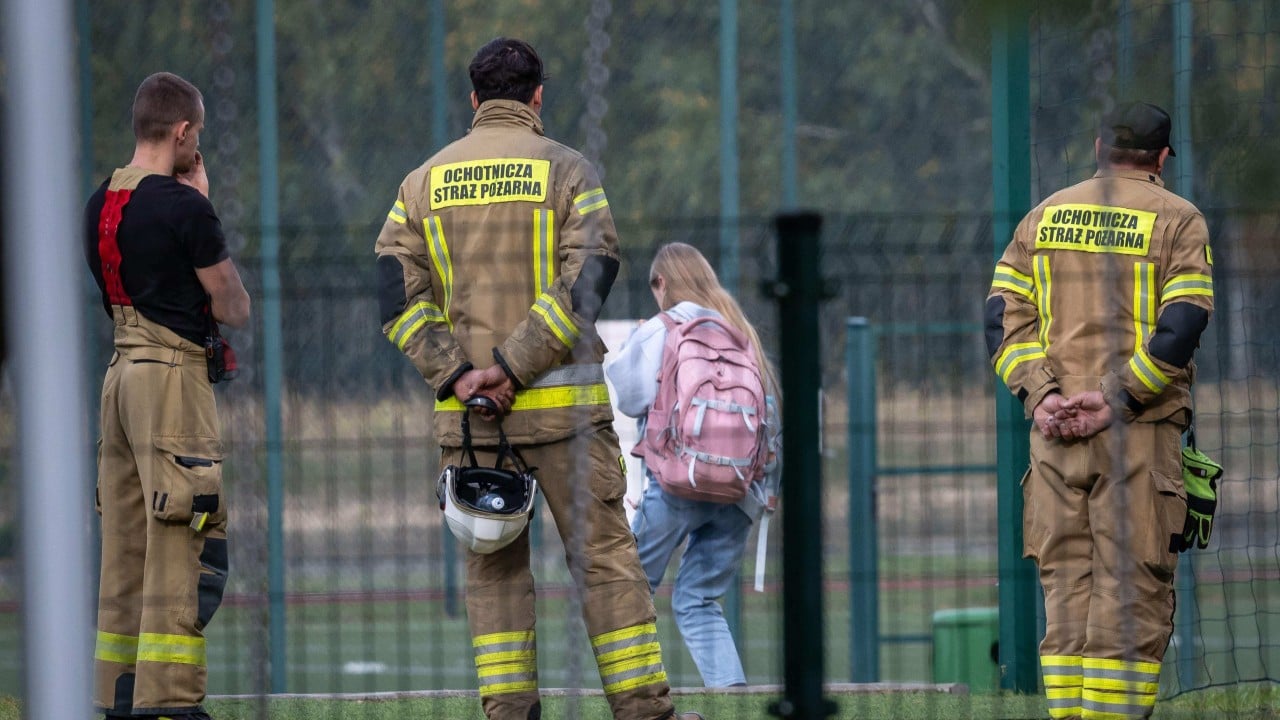
A young girl filmed carrying bags of alcohol into a temporary home is not an isolated administrative error. It is a visible symptom of a system running on empty. When a viral video captures a vulnerable child shouldering literal bottles for adults while municipal protective services look on, the public outrage is swift, predictable, and ultimately fleeting. We gasp at the footage, point fingers at the immediate caseworker shortage, and then scroll away.
Yet the underlying mechanics that push children into precarious temporary care with their siblings remain entirely unexamined. Learn more on a similar subject: this related article.
The Anatomy Of Emergency Placement Failures
Emergency child placement operates under conditions of extreme scarcity. When social services workers pull minors from an unsafe environment, they face a grim mathematical reality. Beds do not exist. Foster homes are saturated. Institutional facilities have multi-year waitlists. Caseworkers routinely spend shifts making dozens of frantic phone calls from the back of a car just to find a living room floor where three separated siblings can sleep under the same roof.
This scarcity creates a dangerous triage culture. Standards drop because the alternative is leaving a child on the street or keeping them in an active hazard zone. When a home is approved under emergency protocols, rigorous background checks and environmental safety audits are frequently compressed into hours rather than weeks. More analysis by USA Today delves into comparable perspectives on the subject.
The video of the child carrying alcohol bags highlights a profound breakdown in initial intake screening. If a household is so chaotic or permissive that a minor child is actively moving controlled substances or alcohol across the threshold during a transition, the basic prerequisites of a stable environment have collapsed before the door even closes.
The Sibling Separation Trap
Keeping sibling groups together has become a primary policy objective for modern child welfare agencies, and for good reason. Separating brothers and sisters compounds the trauma of removal, ripping away the last remaining anchors of their familiar world.
However, placing large sibling groups into temporary care introduces immense logistical strain. A foster parent willing to take a single infant is rarely equipped to handle a teenager, a pre-teen, and a toddler simultaneously. To keep them together, caseworkers are forced to compromise on placement quality. They rely heavily on kinship placements or emergency foster networks that may lack the emotional resilience, financial stability, or structural boundaries required to manage high-stress trauma behaviors.
Children entering the system carry profound psychological weight. Their coping mechanisms are often misunderstood or mismanaged by under-trained temporary guardians. When adults within the placement are either overwhelmed or actively contributing to household dysfunction, the children simply absorb the chaos. They become shock absorbers for adult instability.
Breaking The Cycle Of Institutional Blindness
Reform discussions usually default to calling for more funding, higher caseworker salaries, and increased hiring. While financial injection is necessary, money alone cannot fix a structural design flaw. The entire architecture of emergency response needs an overhaul that prioritizes systemic transparency over bureaucratic self-preservation.
First, independent oversight boards must have real-time audit powers over emergency placements. Right now, agencies operate behind closed doors, shielded by privacy laws that too often protect institutional negligence rather than the child. When a placement goes visibly wrong, internal reviews take months, resulting in sanitized reports that obscure accountability.
Second, we must dismantle the myth of the catch-all foster parent. Expecting ordinary citizens to absorb traumatized sibling groups without comprehensive, around-the-clock professional support is a recipe for burnout and failure. Professionalized therapeutic foster care models must replace the ad-hoc emergency housing patchwork currently keeping the system afloat.
The viral video will fade from memory as new outrages replace it on the digital timeline. But the children caught in that transition remain in the system, carrying bags they never packed, into homes that were never ready for them. Until we confront the desperate arithmetic of foster care capacity, every viral exposure will be nothing more than a momentary flash illuminating a failing machine.