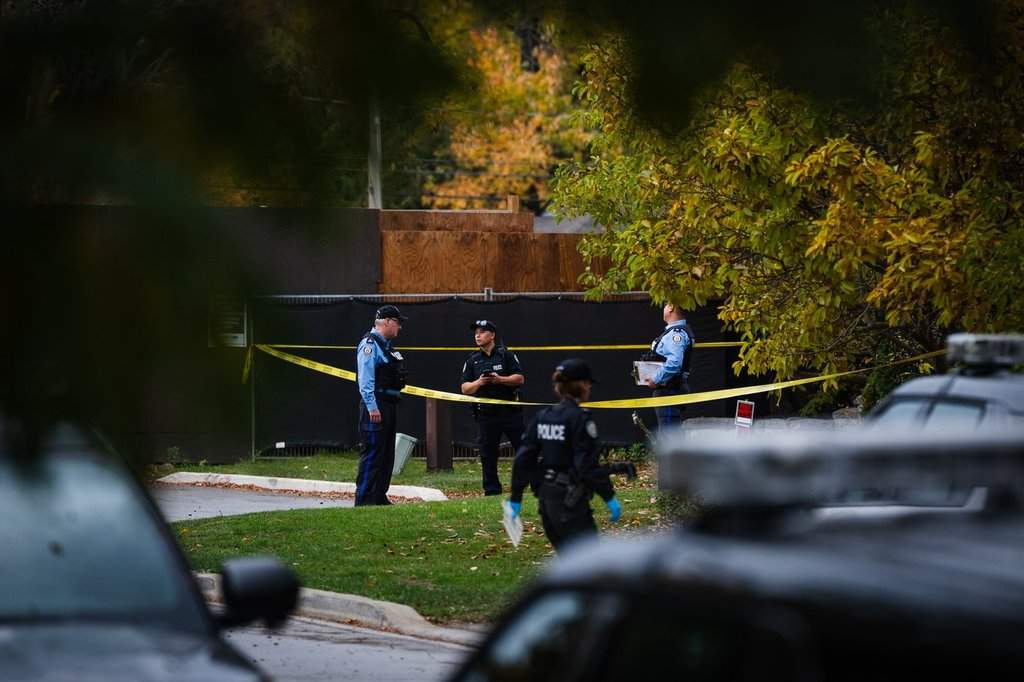
Your front door isn't stopping anyone who actually wants inside. That's the uncomfortable reality staring Toronto homeowners in the face right now.
When a prominent real estate CEO publicly describes a violent home invasion at their residence as "terrifying" while Toronto Police Service investigators hunt for suspects, it isn't just another headline. It's a wake-up call for anyone living in a major North American city. High-profile executives, suburban families, and condo dwellers all share the same blind spot. We spend thousands on smart doorbells and decorative deadbolts while ignoring the structural weaknesses that organized crews exploit in under ten seconds.
Let's be clear about what happened and why it matters. I've spent years advising residential property owners and auditing urban security setups, and the pattern behind these targeted break-ins rarely changes. Criminals aren't picking houses at random anymore. They're doing homework.
Why Targeted Home Invasions Are Changing in Toronto
Most people think break-ins happen when nobody's home. That used to be true. Property criminals historically wanted empty houses, quick cash, and zero confrontation.
Not anymore.
Over the past few years, law enforcement agencies across the Greater Toronto Area have documented a sharp shift toward occupied, high-value targets. Why? Because luxury vehicles, high-end watches, and digital asset credentials are either kept on the owner's person or locked behind biometric safes that require the homeowner's presence to open. When suspects force entry while residents are inside, they aren't looking for loose change in a dresser drawer. They're after keys, passcodes, and immediate compliance.
Toronto Police Service data on break-and-enters and auto thefts has repeatedly highlighted how organized groups operate in tight windows. A crew of three or four individuals can breach a standard residential door, sweep a main floor, and vanish onto a nearby highway arterial in less than four minutes. By the time a central monitoring station calls your phone to verify an alarm, the suspects are already kilometers away.
Honestly, the public reaction usually misses the point. People argue about bail reform or police response times on social media, which are valid policy debates, yet neither fixes the physical vulnerability of your home tonight.
The Real Estate Executive Angle Nobody Mentions
Being a visible figure in real estate puts a massive target on your back. Think about what real estate executives, brokers, and developers do every single day to market their businesses.
They post luxury listings. They show off high-end finishes, architectural layouts, and gated driveways on Instagram and LinkedIn. Sometimes they even host events or film promotional content directly from their own properties. Without realizing it, you're handing a stranger a complete floor plan of your house alongside proof of your net worth.
I once reviewed the digital footprint of a mid-sized brokerage owner who couldn't figure out how intruders knew exactly where his primary suite was located. Within ten minutes on public social media, I found three different video walkthroughs he'd posted of his own backyard renovation, clearly showing the ground-floor sliding glass doors and the exact layout of the main stairwell.
Public property records, corporate registries, and social media geotags make it trivially easy for someone with bad intentions to connect a name, a face, a luxury car, and a home address. If you're in a public-facing industry, privacy isn't just a preference. It's a physical defense layer.
Where Standard Home Security Fails Under Pressure
Walk into any hardware store and you'll see aisles of DIY security cameras promising total peace of mind. They're great for catching porch pirates. Against a violent home invasion, a Wi-Fi camera is basically a post-incident documentary filmmaker.
Here's where typical residential setups fall apart when tested by determined intruders.
- Hollow door frames and short strike plate screws. Most residential exterior doors are secured by half-inch screws driven into soft pine trim. One solid kick splinters the wood instantly. It doesn't matter how expensive your smart lock is if the frame holding it disintegrates.
- Unreinforced ground-floor glass. Patio doors and sidelight windows next to front doors are massive liabilities. A standard double-pane window shatters silently with a spring-loaded center punch, allowing an intruder to reach inside and turn a thumb-turn deadbolt in two seconds flat.
- Wi-Fi dependency. Signal jammers aren't exotic spy gear anymore. Cheap handheld radio-frequency jammers are widely available online and will knock cloud-dependent cameras and wireless sensors offline before the suspects even step onto your porch.
- Predictable alarm delays. Standard entry delays give homeowners 30 to 45 seconds to punch in a keypad code. Intruders use that exact same buffer to locate and rip the keypad off the wall before the siren even triggers.
You can't software-update your way out of weak physical hardware. If a door takes two seconds to kick in, your security system hasn't bought you time—it's just notified you that your time ran out.
How Criminals Actually Scout High-Value Neighborhoods
People imagine thieves lurking in bushes with binoculars. Reality is much more mundane and way harder to spot.
Suspects frequently use legitimate-looking cover to assess street patterns, sightlines, and escape routes. Delivery drivers, utility workers, landscapers, or individuals sitting in idling vehicles near highway on-ramps are common cover profiles. They watch when garage doors open, what vehicles pull into the driveway, and whether exterior lighting actually illuminates dark side yards or just creates blinding glare that hides movement.
Notice the geography of Toronto's wealthiest residential pockets—places like Rosedale, Forest Hill, the Bridle Path, and parts of Etobicoke or North York. Many of these neighborhoods sit just minutes from major transit corridors like the Don Valley Parkway, Highway 401, or the Gardiner Expressway. Proximity to a fast exit route is one of the biggest predictors of targeted residential crime. Suspects want to be off local residential streets and merging into highway traffic before dispatchers even broadcast a BOLO description.
Practical Hardening Steps That Actually Work
If you want to stop a forced entry, you have to think in terms of time and noise. Intruders hate both. Every extra ten seconds it takes to breach an entry point dramatically increases the odds they'll abandon the attempt and move on.
Start with the physical envelope of your house before buying another gadget.
- Upgrade every exterior strike plate immediately. Replace the standard tiny screws in your door frames with 3-inch or 4-inch heavy-duty structural screws that anchor directly into the framing studs behind the jamb. Add a full-length steel door jamb reinforcement kit on your primary entry doors and the door leading from your garage into your house.
- Apply 8-mil security film to ground-floor glass. Professionally installed safety and security window film, anchored to the window frame with structural silicone, holds shattered glass together in a single sheet. Someone can hit that window with a crowbar ten times and still won't be able to reach through to unlock the door.
- Switch to double-cylinder deadbolts on doors near glass. If you have glass panels within 40 inches of a door lock, a standard interior thumb-turn is an open invitation. Check your local municipal fire codes first, keep a key in a dedicated hidden spot nearby when home, and eliminate the easy reach-through unlock.
- Hardwire your core sensors and cameras. Run Power over Ethernet (PoE) cables to exterior cameras and use hardwired contacts for perimeter doors and windows. Hardwired systems can't be defeated by a pocket RF jammer, and local NVR storage ensures footage survives even if your internet line gets cut outside.
- Create a hardened safe room. Pick an interior room with minimal windows—often a primary bedroom or walk-in closet—and install a solid-core wood or steel door with heavy-duty hinges and a deadbolt. Keep a dedicated charged phone, a high-lumen tactical flashlight, and a backup battery pack inside. If someone breaches the ground floor, your only job is to lock that interior door, call 911, and wait for armed police.
Scrubbing Your Digital Trail
Physical upgrades only solve half the problem if you're still broadcasting your lifestyle online.
Take an afternoon and search your own name, business name, and home address across major search engines and social platforms. Remove geotags from past photos taken inside or outside your home. Lock down personal Instagram and Facebook accounts to private, and separate your professional real estate or corporate branding from your personal residential location.
If you own property, look into holding real estate through a numbered company or trust structure where legally permissible in Ontario, rather than leaving your personal name openly indexed on public-facing corporate or marketing materials. Make it tedious for anyone to connect your public wealth to a physical street address.
What You Should Do Tonight
Don't wait for a police press release in your own postal code to take residential security seriously. Walk around the outside of your house after dark tonight and look at your doors and ground-floor windows the way an intruder would. Check the length of the screws in your front door strike plate, test whether your exterior motion lights actually cover your side gates, and tighten the privacy settings on every social account tied to your name. Pick one physical vulnerability—your front door frame or your ground-floor sliding glass—and schedule a reinforcement upgrade before the end of the week.