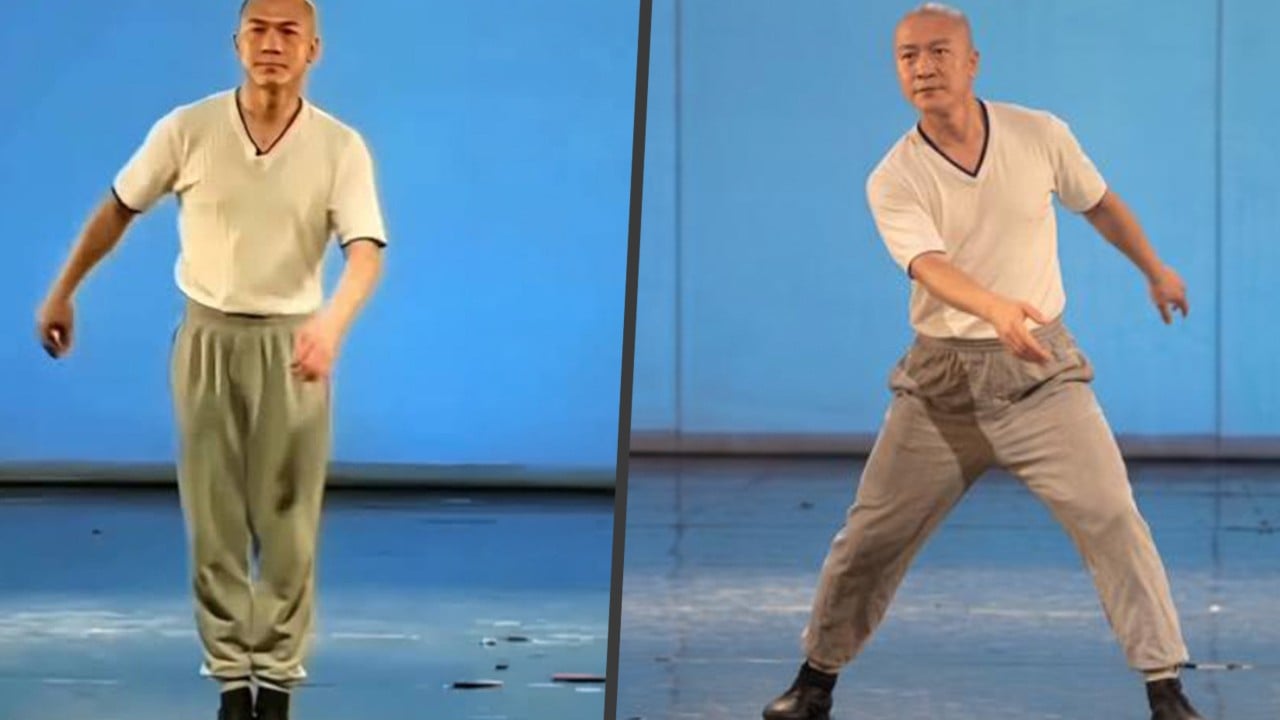
Scrolling through social media feeds lately means dodging videos of people attempting the viral flash step dance. It looks sharp, snappy, and deceptively simple. You watch a creator slide, lock, and twist across the floor in fractions of a second, and your brain says, "I can do that."
You probably can't. Or at least, you shouldn't try it without a warm-up.
Emergency rooms across major cities are seeing a sudden surge of patients rolling in with torn ligaments, severe ankle sprains, and fractured bones. Orthopedic surgeons and physical therapists are growing increasingly frustrated by the influx of dance-related injuries. They are treating patients who watched a ten-second TikTok clip, jumped out of their desk chairs, and immediately snapped their Achilles tendon or dislocated a kneecap.
Viral internet challenges have a long history of physical hazards. From the cinnamon challenge to risky parkour stunts, social media rewards spectacle over safety. The flash step dance trend is just the latest manifestation of this digital pressure. People want the clout, the views, and the engagement, so they skip the basic preparation that professional dancers spend years mastering.
Let's look at why this specific craze is wrecking people's joints.
The Physics Behind The Flash Step Injury Spike
The flash step relies entirely on explosive torque and sudden deceleration. Dancers shift their body weight from a full sprint or standing position into a dead stop on a single foot, often wearing smooth-soled shoes on slick hardwood floors or tile.
Physics does not care about your follower count.
When you pivot violently without engaging your core or stabilizing your ankle joint, your knee absorbs the rotational shock. The anterior cruciate ligament, commonly known as the ACL, takes the brunt of that force. If your foot stays planted while your upper body twists, something has to give. Usually, it is cartilage or connective tissue.
Doctors report seeing three primary injuries from this trend:
- Acute Ankle Inversion Sprains: Occur when the foot rolls outward while landing a quick lateral slide, stretching or tearing the lateral ligaments.
- Meniscus Tears: Happen during rapid pivoting movements where the knee joint twists while bearing full body weight.
- Achilles Tendon Ruptures: Triggered by explosive, high-impact jumps executed on unconditioned calf muscles.
Most casual internet users spend their days sitting at desks. Their stabilizing muscles are dormant. Asking those same muscles to execute high-intensity ballistic movements on zero notice is a recipe for an orthopedic disaster.
Social Media Algorithms Reward Dangerous Speed
The architecture of modern video platforms fuels this problem. Algorithms favor content that grabs attention within the first two seconds. Smooth, slow-paced technical breakdowns don't go viral. Fast, snappy, high-energy execution does.
Creators posting these dance tutorials rarely include safety warnings. They don't mention that they spent two hours stretching, practicing on specialized sprung flooring, and building up their leg strength over years of training. They present the final product as effortless magic.
Viewers internalize that illusion. They think execution requires zero effort, so they put zero effort into preparation. They try the move on concrete, carpet with high friction, or slippery kitchen tiles.
How To Protect Your Joints Without Missing Out
You don't have to live under a rock to stay safe, but you do need to approach viral fitness trends with basic common sense. If a movement looks physically demanding, treat it like an athletic maneuver, not a casual hobby.
Start by checking your environment. Never attempt high-impact choreography on hard surfaces like concrete or slick kitchen floors without proper athletic footwear. Clear the space of rugs or cables that could catch your feet.
Always warm up. Spend at least ten minutes elevating your heart rate and mobilizing your ankles, hips, and knees before attempting any rapid directional changes. If you feel a sharp pain, stop immediately. Pushing through joint pain during a dance trend is a fast track to surgery.
Listen to the medical professionals treating these cases every single day. Fitness is supposed to improve your health, not land you in a cast. Skip the reckless stunts, build your foundational strength first, and leave the high-risk acrobatics to the people who get paid to manage the physical fallout.