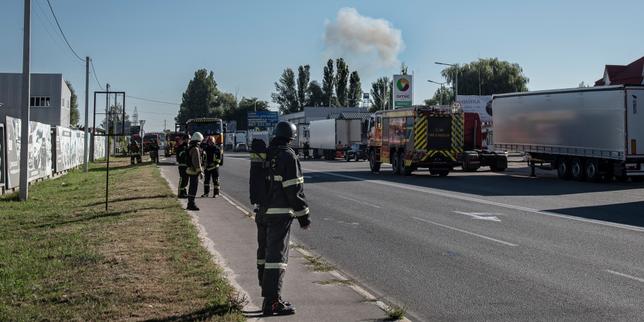
Air raid sirens don't just sound at night anymore. If you are tracking the war in Ukraine right now, you know the rhythm of the conflict has shifted into broad daylight. Waves of explosive drones are targeting urban centers while people are trying to commute to work, buy groceries, or send their kids to school. City authorities in Kyiv confirm that ongoing strikes are relentless, leaving behind structural devastation, fires near civilian landmarks, and a rising human toll.
The recent escalation shatters any illusion that frontlines are hundreds of miles away from everyday life. When air defense systems engage targets over downtown districts, falling debris and direct impacts shatter windows, collapse sections of residential buildings, and tear through public spaces. If you liked this piece, you should look at: this related article.
The Reality of Daytime Drone Swarms
We used to talk about overnight aerial campaigns as the standard playbook. Not anymore. Recent operations feature coordinated daytime strikes designed to overwhelm air defenses and terrorize civilian populations in broad daylight.
When a drone hits near metro stations or public stadiums, the psychological impact matches the physical damage. People run for underground shelters while interceptor fire rattles the skyline. For another perspective on this development, refer to the recent update from The Washington Post.
- Targeting Logistics: Warehouses, commercial logistics hubs, and supply chains inside and outside the capital take direct hits, disrupting basic municipal commerce.
- Sustained Assaults: Attacks rarely happen in isolation; they come in multi-wave rolls that keep emergency services pinned down for hours.
- Exhausted Defenses: Air defense units face severe strain trying to intercept hundreds of low-flying loitering munitions paired with ballistic threats.
What the Statistics and Ground Reports Actually Show
Numbers change daily, but the human cost remains stark. Single-day barrages routinely leave dozens injured and claim civilian lives, ranging from elderly residents trapped in apartment collapses to younger victims caught outdoors. Municipal leaders have had to declare official days of mourning while emergency crews sift through rubble.
International observers note that these strikes aim directly at breaking national morale. Yet, daily life adapts through sheer necessity. People return to the streets hours after explosions clear, fixing storefronts and clearing glass, even as air raid applications buzz constantly on their phones.
The strategic deadlock persists because neither side can secure a swift knockout blow on the battlefield. Instead, the conflict grinds downward into infrastructure warfare. Kyiv's ongoing struggle against persistent drone incursions demonstrates that urban resilience is being tested to its absolute limit every single day.
If you want to understand how this conflict impacts global stability, look past the political rhetoric in foreign capitals. Watch the sirens, watch the depleted interceptor stockpiles, and look at the shattered concrete in residential neighborhoods where ordinary citizens carry the heaviest burden of a war that refuses to fade.