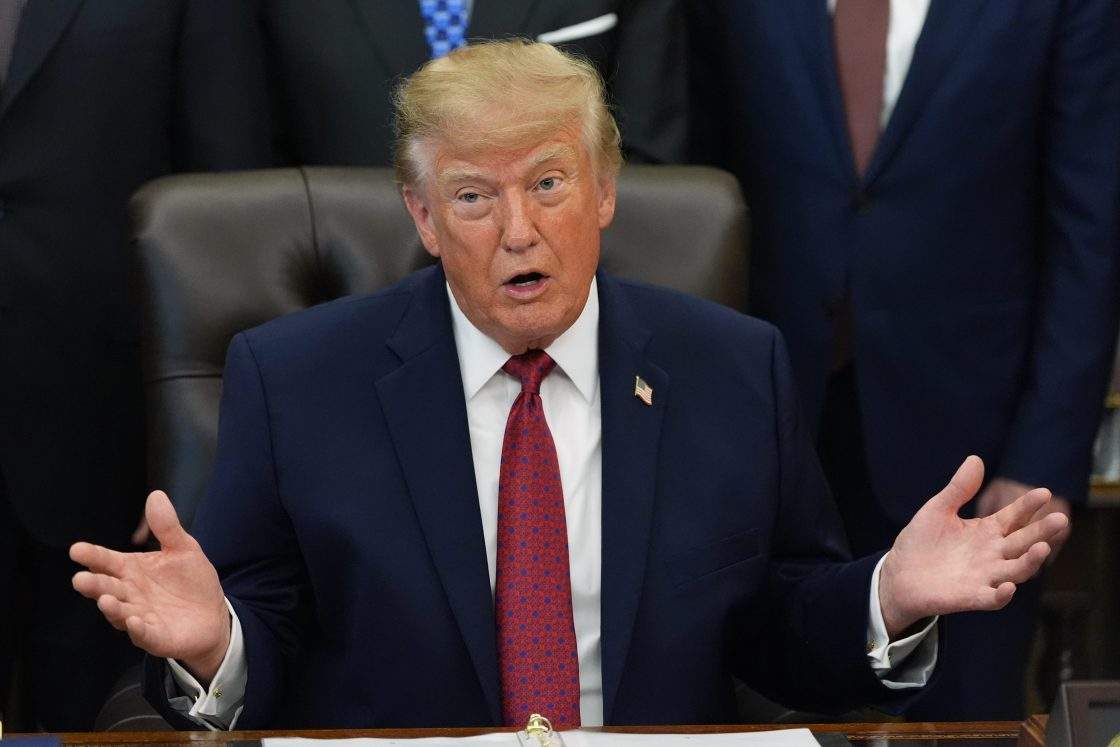
Geopolitical energy blackmail has taken a remarkably blunt new turn. Washington recently floated a disruptive ultimatum to European capitals: release millions of barrels of strategic diesel reserves or face an outright ban on American fuel exports.
If you think this is purely about global energy stability, look closer at the calendar. With domestic pump prices climbing and political stakes soaring ahead of midterm elections, the White House is scrambling to manufacture immediate price relief at home, even if it means destabilizing its closest overseas allies.
The Anatomy of a Forced Fuel Release
The pressure campaign broke into public view when high-ranking U.S. officials made it clear that Washington expects Europe to shoulder the burden of inflated energy costs. Treasury Secretary Scott Bessent bluntly urged European nations to accelerate the deployment of emergency supplies, while reports indicated the U.S. demanded the release of roughly 120 million barrels of refined product over a six-month window.
Europe has become acutely dependent on American fuel cargoes. Following persistent supply shocks, including disruptions out of the Middle East and China, the U.S. emerged as Europe's leading diesel supplier, accounting for nearly half of the continent's imports by late summer.
Threatening to cut off that lifeline unless European governments open their underground emergency stockpiles creates an impossible bind. Germany and France hold more than a third of the EU's strategic diesel reserves, making them the primary targets of Washington's arm-twisting.
Why Europe is Fighting Back
Publicly, European officials pushed back hard against the coercive tactic, with representatives pointing out that weaponizing trade flows to force domestic reserve releases damages long-term trans-Atlantic trust. Behind closed doors in Brussels, the reaction was a mix of alarm and deep frustration.
European energy ministers know that tapping strategic reserves meant for genuine emergencies—such as sudden war interruptions or total supply collapses—just to shave a few cents off retail fuel prices before an election is a dangerous precedent. Yet, the alternative is arguably worse. If the U.S. actually clamps down on exports, European buyers forced to source replacement cargoes on a tight global spot market would face astronomical freight rates and severe supply bottlenecks. Tanker freight rates on key routes like Houston to Amsterdam surged dramatically under the sheer weight of the policy threat.
The Domestic Politics Driving the Chaos
To understand why this is happening, you have to follow the domestic political panic. High diesel prices directly throttle the agricultural and trucking sectors, driving up food costs and freight expenses that anger voters right before heading to the polls. When Brent crude hovered stubbornly near $99 a barrel and U.S. diesel spiked toward record highs, the administration needed a quick lever to pull.
Energy analysts have repeatedly pointed out that an export ban is a blunt, counterproductive instrument. Restricting outbound shipments can disincentivize domestic refiners, create localized gluts followed by severe shortages, and alienate vital international trade partners. U.S. energy executives themselves warned that shutting off foreign markets does long-term damage to American refining dominance.
The Fallout for Global Energy Markets
The standoff highlights a harsh reality for European policymakers. Relying heavily on North American energy exports leaves the continent vulnerable to whatever domestic political crisis happens to be consuming Washington at any given moment.
While France eventually floated a compromise proposal within the International Energy Agency to coordinate a joint release of crude and diesel reserves, the damage to trans-Atlantic energy cooperation is already done. European leaders are realizing that energy security cannot be outsourced to an ally whose policy priorities can pivot overnight based on an upcoming election cycle.
If you manage supply chains or rely heavily on industrial fuel, expect heightened volatility. The era of predictable, market-driven energy trade across the Atlantic has officially given way to high-stakes political brinkmanship.
US warning on diesel exports: White house tells Germany & France to release stocks
This video provides an overview of the emergency discussions held by European governments regarding the potential U.S. diesel export ban and the pressure to tap strategic fuel reserves.