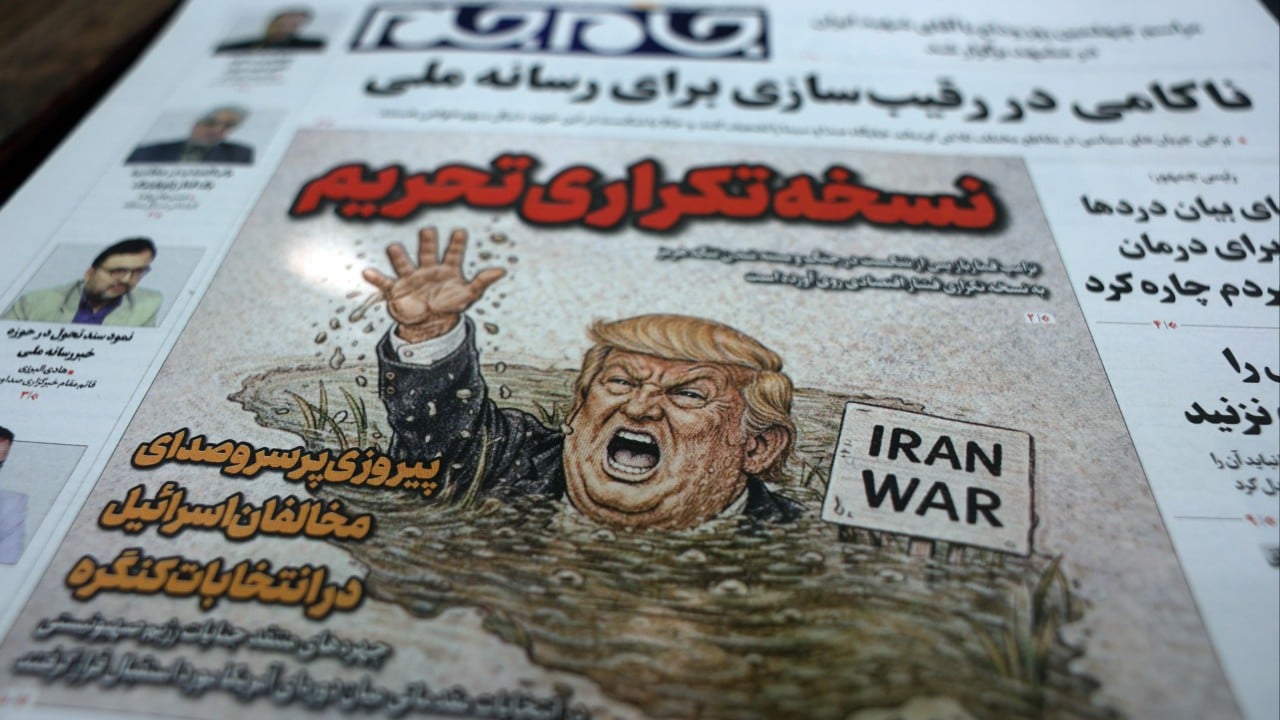
Washington wants complete economic isolation for Tehran. Iran calls the plan an act of classic colonialism. As the White House prepares to drop what officials label the toughest economic restrictions in history, the standoff is moving past regional skirmishes and turning into a global trade battle.
Treasury Secretary Scott Bessent is steering an aggressive financial containment campaign. The target is simple. Cut off every remaining lifeline keeping the Iranian state afloat, especially the oil smuggling networks and shadow banking channels funneling money to the regime. But foreign policy rarely happens in a vacuum. When Washington threatens secondary penalties against any international company or financial institution doing business with Tehran, it draws a hard line that major economies like China cannot easily ignore. Beijing imports a massive share of Iran's seaborne petroleum, meaning these rules directly test the limits of American extraterritorial power.
The Legal and Diplomatic Clash
Tehran isn't just absorbing the blow quietly. Iranian officials have dismissed the looming restrictions as illegal economic warfare. Foreign Ministry spokespeople argue that secondary penalties violate the sovereign equality of United Nations member states.
The rhetoric on the ground is sharp. Iranian leadership has warned that any nation cooperating with the upcoming U.S. enforcement actions will face direct diplomatic hostility and be treated as an adversary. It's a high-stakes game of chicken. On one side, the White House demands compliance or face severe exclusion from Western financial systems. On the other side, Tehran threatens retaliation while oil flows through the Strait of Hormuz remain severely disrupted.
Where the Global Market Stands
Energy markets feel every shift in this conflict. Tanker traffic through critical Middle Eastern waterways faces constant friction, and shipping insurance rates reflect a permanent state of anxiety.
The core issue comes down to enforcement. Previous maximum pressure campaigns proved that determined buyers can find ways around financial barriers using grey-market tankers, digital asset exchanges, and complex corporate shell structures. Whether this new iteration of restrictions breaks those networks or simply drives them further underground depends entirely on how strictly Washington polices its allies and trading partners.
Diplomacy remains frozen. Both capitals are locked into rigid public postures, leaving global supply chains to absorb the shocks of a conflict that shows no sign of cooling down.