The asphalt in Magdeburg does not melt all at once. It softens gradually, turning from a matte charcoal gray into a sticky, shimmering black paste that clings to the soles of work boots. By three in the afternoon, the air above the pavement vibrates. If you stand still long enough near the main railway station, you can hear the distinct, rhythmic creaking of steel tracks expanding under a pressure they were never built to withstand.
Europe is accustomed to summer. It understands the concept of sun. But what is currently moving across the continent, spilling over the western borders of Germany and marching steadily toward the east, is not a season. It is an atmospheric weight. Don't forget to check out our earlier coverage on this related article.
For decades, northern and central Europe treated extreme heat as a temporary visitor—an uncomfortable weekend to be endured with open windows, a dish of spaghetti ice cream, and a trip to the local lake. That version of summer is dead. In its place is a meteorological reality that transforms ordinary infrastructure into a collective hazard and turns everyday flats into brick ovens.
As the mercury climbs toward historic, unprecedented peaks, the true story of a heatwave is not found in the red-tinted maps on the evening news. It is found in the quiet, desperate calculus of survival playing out inside the uncooled apartments of Berlin, Leipzig, and Dresden. If you want more about the history of this, The Guardian provides an in-depth breakdown.
The Invisible Threshold
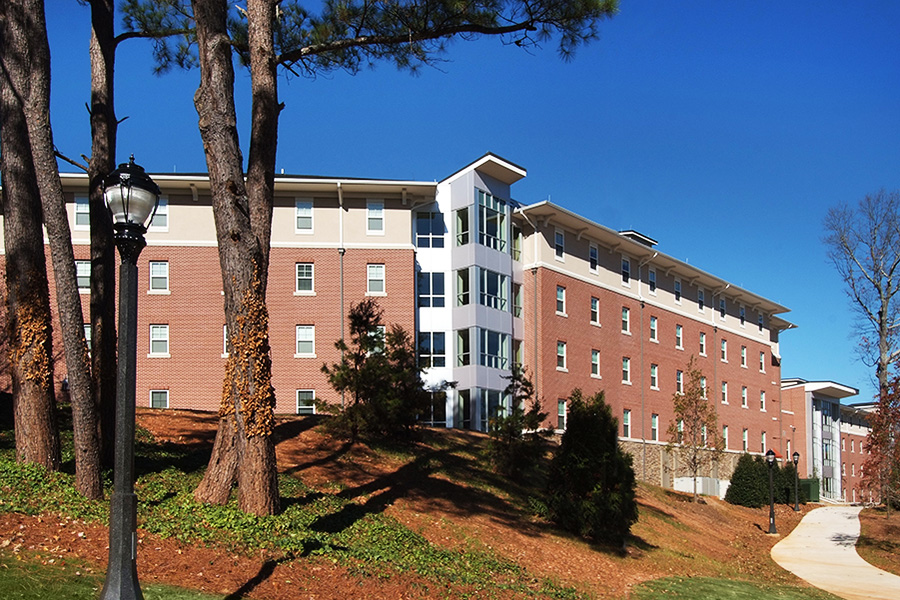
Consider a hypothetical resident named Marta. She is seventy-four years old, living on the fourth floor of a classic turn-of-the-century Altbau apartment building in a leafy suburb of Leipzig. Her building is beautiful. It features high ceilings, ornate stucco finishes, and massive windows that catch the morning sun.
It also lacks air conditioning. Nearly all residential buildings in Germany do.
Historically, less than three percent of German homes have built-in cooling systems. The architectural philosophy of the region was designed for a different century: trap the heat during the long, dark winters; rely on thick stone walls and thick insulation to keep the cold out. Today, that same engineering creates a devastating trap. When the outside temperature reaches thirty-nine degrees Celsius (over one hundred degrees Fahrenheit) and refuses to drop below twenty-five at night, those thick walls act like a thermal battery. They store the heat. They radiate it inward, long after the sun has set.
For Marta, the danger is silent. High heat does not arrive with the dramatic sirens of a flood or the visible wreckage of a winter storm. It simply slows the blood. To keep the core temperature stable, the human heart must pump faster, redirecting blood to the skin where heat can be radiated away. In a young, athletic body, this process is an efficient thermostat. In a body that has lived for seven decades, it is an exhausting, marathon-level physical exertion.
When the indoor temperature crosses twenty-eight degrees, cognitive function begins to slip. At thirty-two degrees, the risk of cardiovascular failure spikes dramatically. Marta keeps her blinds drawn tightly, living in a self-imposed twilight, watching the numbers on a small plastic thermometer rise degree by degree. She is not alone. Millions of people across the eastern federal states are performing the same silent vigil, watching their homes turn from sanctuaries into hazards.
The Mechanics of the Oven
Why is this happening with such rhythmic, punishing frequency? The answer lies in the shifting behavior of the jet stream, the high-altitude ribbon of wind that dictates the weather patterns of the northern hemisphere.
Think of the jet stream as a massive, sweeping skipping rope. When it moves fast and tight, it keeps weather systems moving briskly from west to east, bringing a predictable rotation of rain, cloud, and sun. But as the temperature differential between the Arctic and the equator narrows, that skipping rope slackens. It begins to loop and bend wildly.
Currently, one of these massive, stagnant loops has stalled directly over central Europe. It has created what meteorologists call an atmospheric blocking pattern—a high-pressure system that acts like a invisible dome. It pins the hot, dry air pumped up from the North African desert directly over the European landmass. Worse, it repels the cooler, moisture-laden Atlantic fronts that used to provide relief.
The air is trapped. The soil is baking.
As the earth dries out, a vicious feedback loop takes over. Normally, a significant portion of the sun’s energy is consumed by evaporating moisture from the soil and from leaves. When the ground is parched, that solar energy has nowhere to go but straight into the air, driving temperatures to heights that feel less like central Europe and more like the interior of Spain.
This is the reality bracing the eastern half of Germany. The heatwave is not a passing cloud; it is a structural stagnation of the atmosphere.
The Breaking Point of Things
We tend to look at the human body as the primary victim of heat, but the physical world we have constructed is equally vulnerable. Infrastructure has a tolerance level.
In the eastern states, where massive stretches of the Autobahn network were rebuilt or modernized in the 1990s and 2000s, engineers are watching the concrete closely. When sustained heat hits thirty-eight degrees or higher, a phenomenon known as "blow-ups" occurs. The concrete slabs, expanding under the relentless sun, run out of room to move. They press against one another with thousands of pounds of force until, with a sound like a gunshot, the highway buckles upward, shattering into dangerous, jagged ridges. Speed limits on some of the fastest roads in the world are being dropped to eighty kilometers per hour, not because of traffic, but because the road itself might explode beneath the tires.
The rivers offer no rescue. The Elbe, a vital commercial artery running through the heart of eastern Germany, is shrinking. As the water level drops, the water temperature rises. For the fish and microscopic life within the river, this is a slow suffocating event, as warm water holds significantly less oxygen than cold water.
For industry, it means cargo barges must cut their loads by half, or stop moving entirely, paralyzing the supply chains that feed factories and power plants. The cooling systems of traditional power stations rely on this river water; if the river is too warm, the plants must throttle their output to avoid pumping boiling water back into a dying ecosystem.
Every system is connected. Every system is strained.
The Changing Cultural Standard
Go to any town square in Saxony or Thuringia at midday during this peak, and you will witness a profound, involuntary rewriting of German cultural life.
The bustling outdoor cafes are empty by noon. The cobblestones are too hot for dogs to walk on. The traditional German working day—firm, structured, starting early and pushing straight through the afternoon—is colliding hard with biology.
There is a growing, uneasy realization that the country must adapt its rhythm to the climate of the Mediterranean. Talk of the siesta—renamed Mittagspause or conceptualized as a prolonged mid-day retreat—is no longer a theoretical debate among policy advocates. It is a necessity driven by the realization that trying to maintain peak productivity in an uncooled office or warehouse at two in the afternoon is an exercise in diminishing returns and rising workplace accidents.
The emergency rooms are already feeling the vanguard of the wave. Paramedics are responding to calls not for heatstroke, but for the downstream consequences of heat: falls caused by sudden dizziness, confusion in elderly patients who forget to drink water, and a sharp rise in domestic friction as sleepless, sweltering nights wear tempers down to the nerve.
The Legacy of the Threshold
The sun will eventually set, but the modern summer night offers a strange, deceptive kind of exhaustion. In the concrete hearts of cities like Chemnitz or Halle, the urban heat island effect means that midnight feels like a humid noon. The buildings continue to breathe out the heat they swallowed during the day.
We are watching a geographic shift occurring in real time, a boundary line of climate moving northward and eastward, rewriting the rules of how people live, build, and survive. The record numbers on the digital thermometers outside pharmacies are notable, but they are just symbols.
The real transformation is happening in the quiet, mundane adjustments: the purchasing of heavy blackout curtains, the installation of community cooling shelters in municipal libraries, and the lingering anxiety of looking at a clear, blue summer sky and wishing desperately for a cloud.
Marta sits by her window in Leipzig, waiting for a breeze that will not arrive until dawn. On the table beside her, a glass of water sits untouched, warming slowly to the temperature of the room.