History is often written by the victors, but it is argued by those who feel overlooked.
Every autumn, the ritual returns. In quiet offices in Oslo, envelopes are sealed, decisions are weighed against decades of precedent, and a phone call is placed to a newly minted laureate. For most, it is the pinnacle of a lifetime spent in laboratories, libraries, or diplomatic corridors. For others, it is a reminder of a ledger left unbalanced.
Consider the psychology of recognition. Human beings are wired to keep score. From childhood soccer trophies to lifetime achievement awards, external validation acts as a mirror, reflecting our worth back to us in tangible form. When that validation is withheld from someone who measures their life in sweeping geopolitical shifts, the silence can feel deafening.
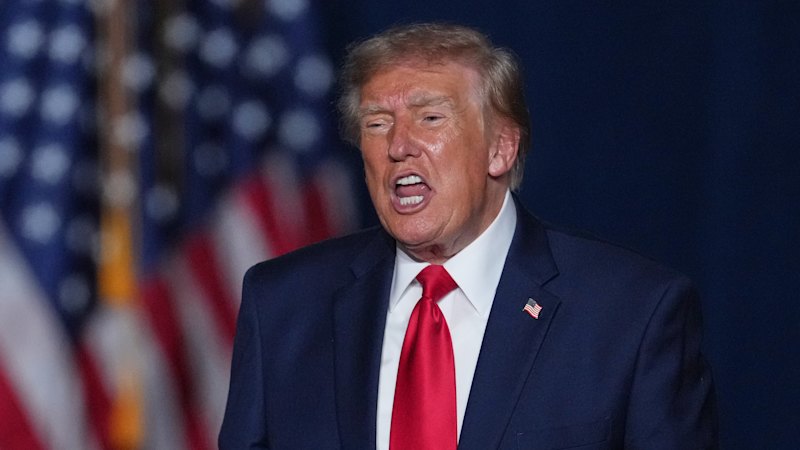
In recent public remarks, Donald Trump returned to a familiar grievance, expressing frustration over not receiving the Nobel Peace Prize for his administration's diplomatic efforts, specifically pointing to agreements brokered in the Middle East. It is a sentiment he has voiced repeatedly over the years, measuring his diplomatic footprint against those of predecessors who received the honor.
This tension exposes a fascinating disconnect between two different worlds. On one side stands the traditional machinery of international diplomacy, slow-moving, bureaucratic, and bound by decades of institutional norms. On the other stands a transactional, disruption-heavy approach to statecraft that rejects polite protocol in favor of sudden, high-stakes announcements.
Diplomacy has long operated like a centuries-old chess match. Moves are telegraphed, alliances are tested, and agreements take shape over generations. The Nobel Committee, sitting in its quiet Norwegian enclave, tends to reward this incrementalism. They look for institutional stability, multilateral consensus, and the quiet mending of fences.
When an outsider steps onto that board and kicks the table over, the reaction from the establishment is predictable.
Critics argue that sustainable peace requires the slow, unglamorous work of nation-building and human rights advocacy. They point out that transactional agreements, while capable of producing immediate headlines, often leave underlying tensions unaddressed. They view the pursuit of international accolades as a distraction from the intricate mechanics of global stability.
Yet, supporters see a different picture. They argue that traditional diplomacy has spent decades presiding over frozen conflicts and endless stalemates. From their perspective, breaking the mold, bypassing entrenched bureaucracies, and forcing hostile parties to the table deserves a different kind of recognition entirely.
This clash of philosophies gets to the heart of how history assigns credit. Who actually makes peace? Is it the architect who draws up the blueprints over thirty years, or the contractor who bulldozes the obstacles in thirty days?
The debate is rarely settled by consensus. Instead, it lingers in the background of political discourse, a reminder that the narratives we tell about power and leadership are deeply contested. Every leader looks at the legacy they are leaving behind, searching for the ultimate stamp of approval.
When that stamp doesn't arrive, the response reveals as much about the nature of modern politics as it does about the individual. In an era where attention is the ultimate currency, the absence of a formal accolade becomes part of the public narrative itself. It fuels a sense of grievance, drawing a sharp line between the insiders who guard the gates of global prestige and the outsiders who demand to tear them down.
The Nobel medal remains cast in bronze and gold, locked away in glass cases across museums and university halls. But its true power has always been symbolic. It is an attempt by humanity to freeze time, to declare that a specific moment mattered more than the chaos surrounding it.
Until we agree on what truly constitutes a historic peace, those medals will continue to cast long shadows over the political arena. The arguments will persist, fueled by competing definitions of legacy, legitimacy, and the restless desire to have history say you changed the world.