Airports possess a unique brand of silence. It is not the quiet of an empty room, but the heavy, suspended breath of thousands of people standing between two lives. You watch the arrivals board flicker. Names change. Cities flash by. Behind each destination lies a private calculus of risk, longing, and forgiveness.
When a family packs suitcases for an ocean crossing, the logistics are rarely just about tickets and terminal gates. They are about gravity.
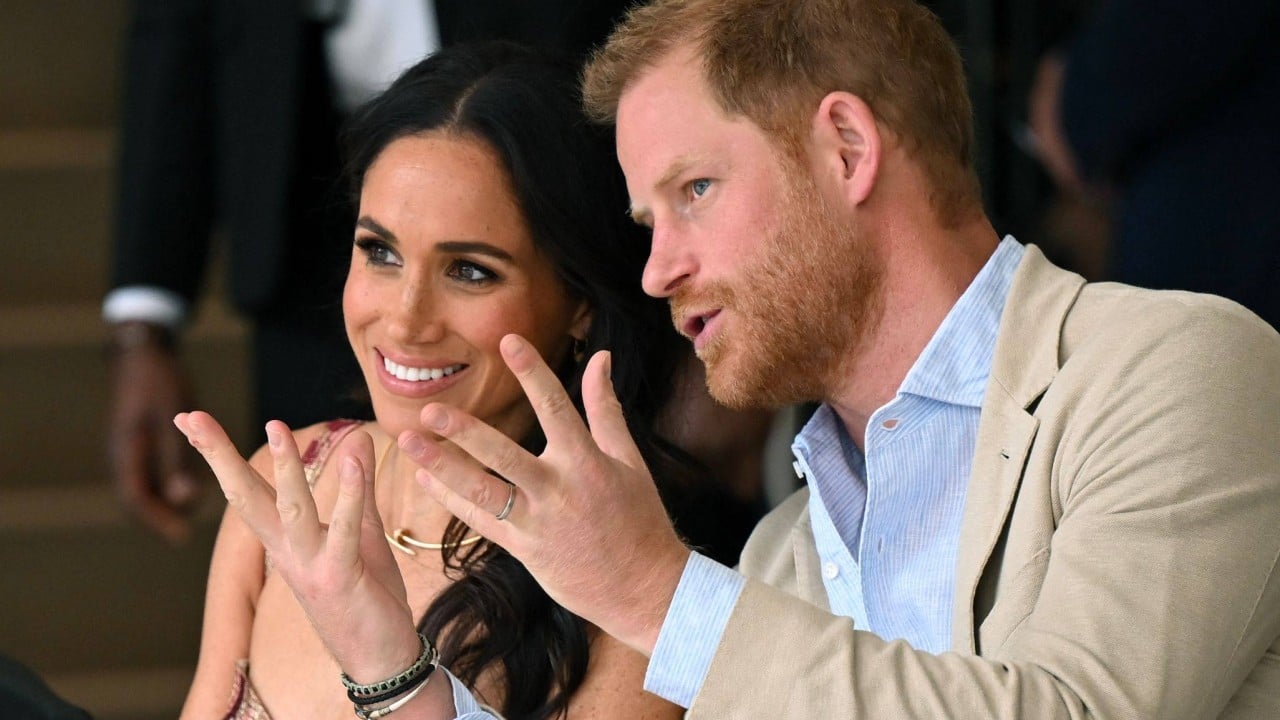
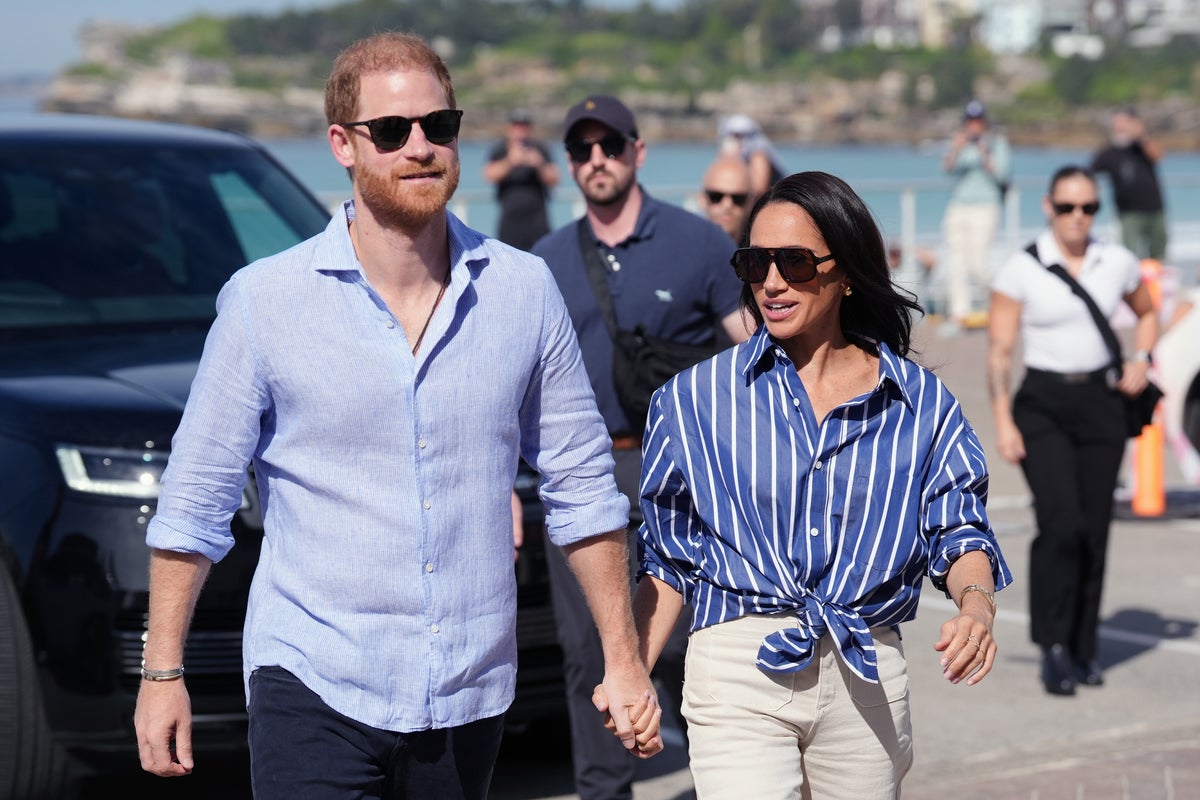
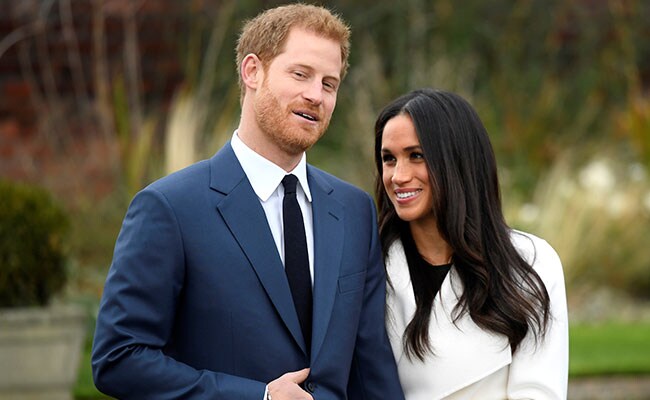
Reports surfaced recently from British outlets indicating that Prince Harry and Meghan are planning a return trip to the United Kingdom, accompanied by their children, Prince Archie and Princess Lilibet. For years, the geography of this family has played out like a slow-motion fracture across newspaper front pages. Oceans apart. Protocol versus personal peace. Security details debated in courtrooms like pieces on a chessboard.
Yet, beneath the relentless churning of commentary, a simpler, far more fragile human truth remains. Children grow. Generations age without witnesses.
Consider what happens when an olive branch is tested against the stark reality of time.
I know something about the geometry of long-distance estrangement. Years ago, a bitter family schism left an entire generation on the wrong side of a national border. Holidays became pixelated boxes on a screen. Milestone birthdays were celebrated through lagging audio feeds. You convince yourself that distance is a shield. You tell yourself that absence protects you from the sharp edges of old wounds.
Then comes the sudden, piercing realization that memory is a poor substitute for presence.
The security arrangements that dominate headlines about this upcoming journey are real, dense, and tangled in institutional bureaucracy. The UK Home Office evaluates threat levels. Legal battles over taxpayer-funded protection play out in London courts. These are the cold mechanics of modern royal existence. But security is merely the armor. It tells us nothing about the heart beating beneath it.
To understand why this potential homecoming matters, we have to look past the palace gates and the tabloid framing. We have to look at the children. Archie and Lilibet are growing up in the sun-drenched expanse of Montecito, far from the gray majesty of British stone and the relentless hum of London press cameras. To them, Britain is likely a collection of stories, accents heard on a phone, and photographs on a mantelpiece.
Bringing them back across the Atlantic is not a simple commute. It is an act of translation. It is an attempt to bridge two entirely different universes.
Bridges are dangerous things. They require structural integrity on both sides, and they leave you exposed. Walking across means stepping out of the comfortable narratives we build to justify our isolation. For Harry, stepping back onto British soil with his family means confronting the ghosts of a life he dismantled to protect his wife and children. For Meghan, it means entering a space where every glance is dissected and every gesture is weaponized by a waiting public.
Why risk it?
Because isolation has an expiration date. The human spirit can only sustain a state of permanent defense for so long before the cost outweighs the conflict.
History is filled with reconciliations that arrived too late. We wait for the perfect moment. We wait for the other side to blink. We wait for an apology that carries the exact weight we demand. Meanwhile, the calendar pages turn. Grandparents age. Cousins grow up as strangers.
If this journey happens, it will not be smooth. There will be no magical soundtrack swelling as doors open. There will be photographers hiding behind long lenses. There will be commentators dissecting the exact angle of a glance or the choice of a coat. The machinery of public curiosity will grind on, indifferent to the private vulnerability unfolding in its glare.
And still, they pack the bags.
That choice tells us everything we need to know about the invisible stakes of family life. It suggests that even when bridges are burned down to the pilings, someone must eventually decide to wade into the water with a box of nails.
We spend so much of our lives learning how to defend our boundaries. We master the art of the goodbye. We curate our circles until they are safe, small, and uncontested. But safety is a cold companion on a long night.
The most courageous act left to anyone caught in a public or private exile is not standing their ground. It is moving. It is risking the awkward silence, the flashing lights, and the heavy air of a homecoming that might not fix everything, but might just change enough.
The departure lounge is quiet now. The flight status shifts from delayed to boarding. Somewhere across the sea, a door opens just a fraction of an inch, letting in the cool, damp air of a changing season.