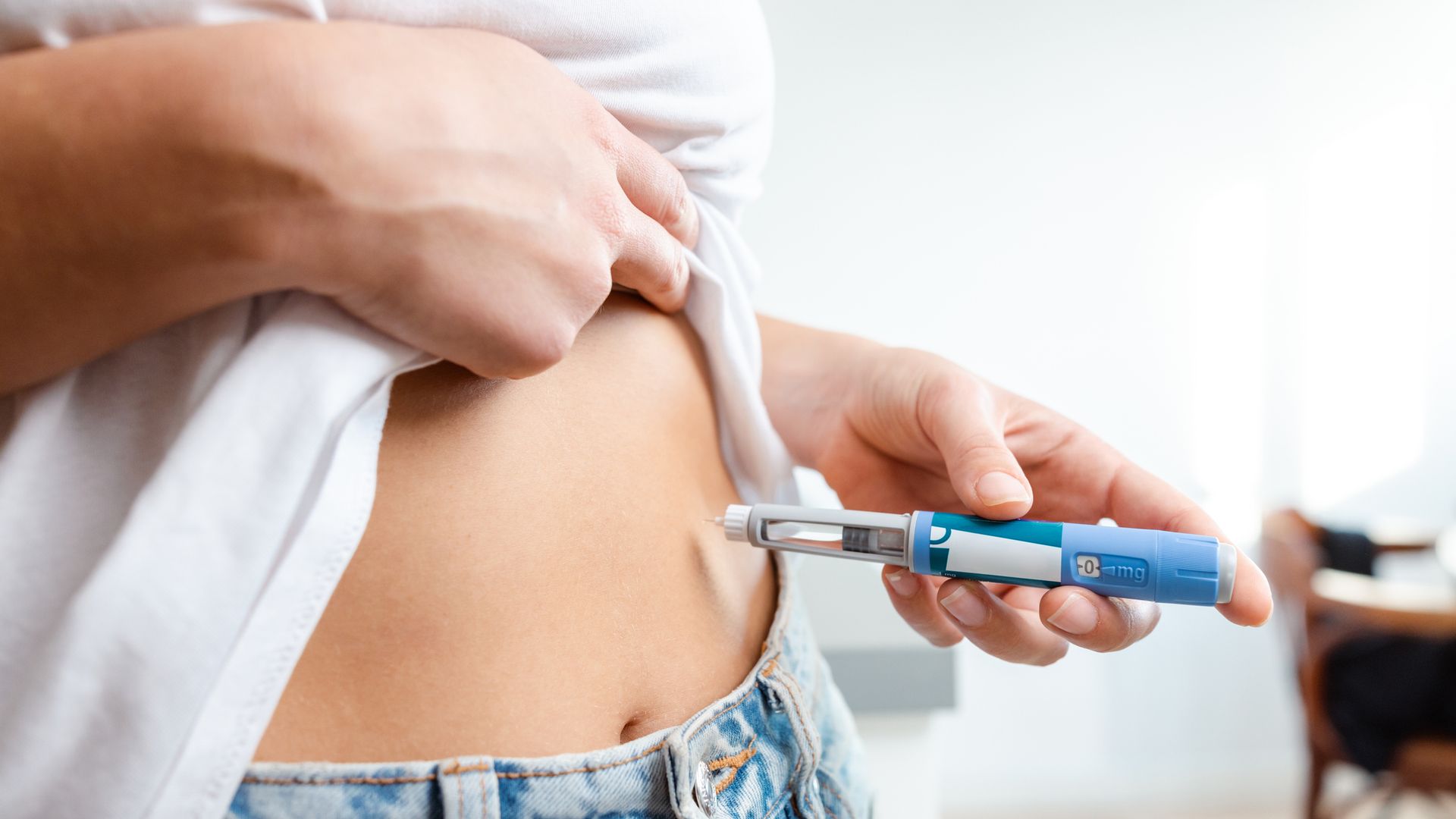
The package arrived on a Tuesday, wrapped in plain cardboard that betrayed nothing of its monumental contents. Inside sat a small glass vial and a needle so fine it looked like a stray whisker from a cat. For months, the promise had been whispered across breakfast tables, shouted from morning talk shows, and beamed from the glowing rectangles in our hands. It was the miracle. The quiet end to the endless arithmetic of calories, the biology of longing rewritten with a single weekly pinch.
I remember holding that cold glass between my fingers, feeling the strange vertigo of standing at the edge of a great transformation. We have all been there. The mirror in the dim hallway. The sudden, sharp breath pulled inward to zip a pair of trousers. The quiet grief of a body that feels like a rented room you never quite learned how to inhabit.
When the science of modern medicine offers an exit from that exhaustion, you do not ask too many questions. You reach. You sign the digital prescription form. You pay the steep fee. You press the cold steel against your skin and you wait for the magic to begin.
And it does.
The hunger simply turns down its volume. The constant, buzzing static of desire that hummed in the background of every waking hour goes quiet. Food becomes just fuel, stripped of its comfort, its betrayal, its heavy emotional currency. The numbers on the digital scale tumble downward. A pound. Five pounds. Twenty. Friends notice. Strangers hold doors a fraction longer. You feel, for a terrifying and intoxicating moment, that you have finally cracked the code of existence.
Then comes the other side of the ledger.
Behind the glossy magazine spreads and the celebrity confessions lies a quieter, darker archive. It is written in the sterile language of adverse event reports and midnight emergency room visits. Hundreds of lives, caught in the undertow of a biological revolution moving faster than our understanding of it.
We talk endlessly about the triumph of weight-loss jabs. We track the soaring stock prices and the empty shelves in pharmacies from suburban Ohio to downtown London. But we rarely talk about what happens when the chemistry goes rogue.
Consider what happens inside the quiet machinery of the human body when you artificially stall its engine. These medications were not born in vanity labs; they were forged in the meticulous furnaces of diabetes research, designed to coax stubborn pancreas cells into producing insulin. They mimic a natural hormone, GLP-1, that tells the brain we are full, while dragging our digestive tract into slow motion.
Slow motion. That is the phrase the brochures leave out.
Imagine eating a meal, expecting your body to process it, clear it, move it along. Now imagine the digestive tract freezing in place, paralyzed by a chemical command that refuses to turn off. Food lingers for hours, sometimes days, sitting in the dark like uncollected garbage.
This is where the horror begins for a small, unfortunate fraction of the millions who take the plunge. It is called gastroparesis. Paralysis of the stomach.
I spoke with a nurse last autumn who had watched it happen in real-time. She described a patient coming into the emergency ward, doubled over in pain so intense it mirrored a heart attack. The patient had been losing weight brilliantly. They looked fantastic in their funeral clothes, as the bitter joke goes. But inside, their stomach was failing. When doctors inserted a tube to relieve the pressure, liters of undigested food—meals eaten two, three, four days prior—poured out.
The body was starving while holding a feast hostage.
It is terrifying how easily we trade one kind of suffering for another. We look at obesity and see a moral failure, a lack of willpower, a ticking time bomb of cardiovascular doom. So when a pharmacological key unlocks the door to thinness, we declare victory. We assume that any cost is worth paying if the scale rewards our obedience.
Yet the human body is not a machine with modular parts you can swap out at will. It is an ancient, interconnected ecosystem. Pull one thread over here, and a tremor ripples through the entire structure.
The reports filed with regulatory bodies tell a grim story. Severe gastrointestinal blockages. Gallbladder attacks requiring emergency surgery. Thyroid tumors whispering in the dark of animal studies. And yes, deaths. Sudden, inexplicable collapses. Lungs filling with fluid during routine anesthesia because the paralyzed stomach refused to empty before the procedure, vomiting food back up into the airway while the patient slept under the surgeon's knife.
Hundreds of suspected links. Hundreds of families sitting around kitchen tables, looking at photographs of loved ones who wanted nothing more than to feel comfortable in their own skin, only to find themselves trapped in a medical nightmare.
How did we get here? How did a society so obsessed with wellness become so blind to its own desperation?
The answer lies in our cultural obsession with speed. We want our transformations instantaneous. We want our redemption delivered via overnight shipping. We have built an entire industrial complex around the deep, abiding shame of taking up space in the world. When a drug comes along that promises to melt away that shame with the sweep of a pen, we suspend our disbelief. We become willing accomplices in our own risk assessment.
We tell ourselves the odds are in our favor. Millions take the shot and walk away unscathed, glowing with renewed vitality. They rave about the silence in their heads, the sudden freedom from food noise. They look at the statistics of harm and whisper the great rationalization of our era: That happens to other people.
Until it is you.
Until you are the one lying on the bathroom floor at three in the morning, vomiting bile, wondering if the pain tearing through your abdomen is the price of vanity or the end of your life. Until you are the one sitting across from a specialist who looks at your chart, shakes their head, and asks why nobody warned you about the full spectrum of what these molecules can do.
The truth is, we were warned. The warnings were there, buried in the fine print of clinical trials, whispered by gastroenterologists who saw the writing on the wall years ago. But warning labels are poor competitors against the roar of cultural desire. They are speed bumps on a highway built for sports cars.
We are standing in the middle of a massive, uncontrolled public health experiment. Millions of human guinea pigs, self-injecting a synthetic future, charting their progress on smartphone apps, trading symptoms on online forums like medieval villagers comparing plague remedies.
And the stakes could not be higher.
Because beneath the corporate earnings reports and the breathless media profiles, this is a story about vulnerability. It is about the profound, aching human desire to be accepted, to be healthy, to be free from the physical prisons we did not choose to build.
When we look at the tragedies accumulating in the margins of this pharmaceutical boom, we should not point fingers of blame at those who took the risk. We should look in the mirror. We created a world that makes being heavy a moral hazard. We built a culture where people feel so desperate for health and acceptance that they are willing to play Russian roulette with their digestion, their organs, their very lives.
The vial sits on the desk. The needle glints under the kitchen light.
The choice remains yours, as it always has. But the next time you hear someone praise the miracle of the modern jab, remember the silent partners in this revolution. Remember the ones who paid the ultimate price for a lighter tomorrow. And ask yourself what you are truly willing to trade for the reflection you wish to see.
The glass is cold. The liquid is clear.
And the silence that follows is deafening.